 Anacortes Siding
 Building Decks for March Point's Waterfront Climate
March Point sits out on the water, which means homes here take a different kind of weather than a deck built inland. The salt air off Fidalgo Bay and the surrounding waters accelerates corrosion on fasteners, hardware, and untreated metal connectors. Combine that with Skagit County's long wet season and the moss and algae growth that comes with it, and you have a set of conditions that will find every weak point in a deck within a few years if the deck wasn't built for them in the first place.
We've worked on homes throughout the Anacortes area, including March Point, long enough to know that a deck built the same way you'd build one in a dry inland climate simply won't hold up the same way out here. The framing, fastener choices, and drainage details all have to account for salt exposure and near-constant moisture for a good chunk of the year.
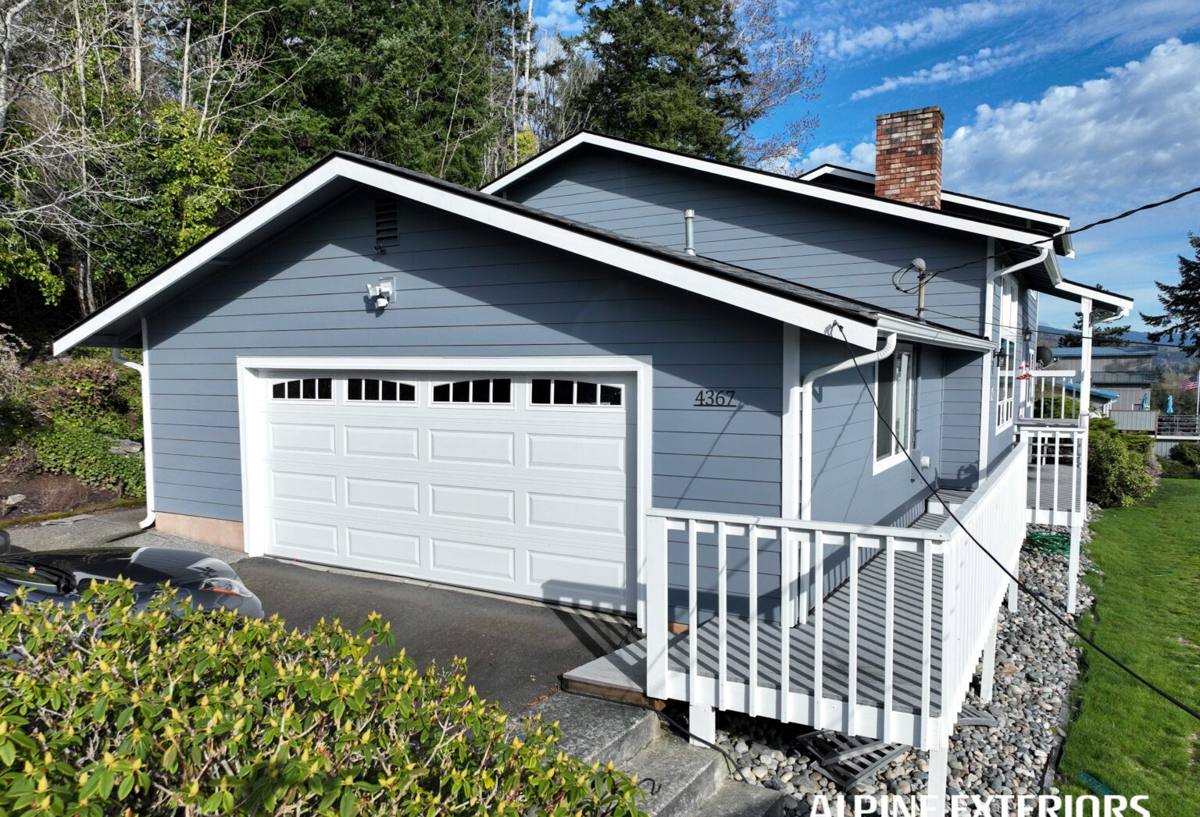
What Local Homes Actually Need From a Deck
A deck in March Point has to do more than look good for a season. It needs to shed water fast, resist corrosion, and stay stable through freeze-thaw cycles and wind exposure that's more common near the water than a few miles inland. Three things matter most:
- Fasteners and hardware rated for salt air exposure, not just general exterior use
- Framing and ledger connections that drain rather than trap water against the house
- Decking material and gap spacing that resists moss and algae buildup instead of feeding it
Skip any one of these and you end up with a deck that looks fine the first summer and starts showing rust streaks, soft spots, or slick green growth within a couple of wet seasons.
Choosing a Decking Material That Holds Up Out Here
There's no single "right" decking material for every homeowner — it comes down to budget, maintenance tolerance, and how close the deck sits to salt air and standing moisture. We'll walk through the honest trade-offs rather than push one product.
Pressure-Treated Wood
Still the most affordable option and a solid choice if you're willing to stay on top of maintenance. It needs regular cleaning to keep moss from getting a foothold and periodic sealing to keep moisture out of the grain. Skip the maintenance in a wet climate like this and it will show it faster than it would somewhere drier.
Cedar
Naturally more rot- and insect-resistant than most softwoods and it weathers to an attractive gray if left untreated, but that same softness makes it more prone to surface wear and moss growth if it stays damp. It's a good look for homeowners who want a natural material and don't mind the upkeep.
Composite Decking
Higher upfront cost but far less maintenance — no sealing, and most composite boards resist moisture absorption and moss growth much better than wood. The trade-off is that lower-quality composite can still trap moisture at fastener points if it's not installed with the right hidden-fastener systems and ventilation gaps, so installation quality matters as much as the product itself.
| Material | Upfront Cost | Maintenance | Moss/Moisture Resistance |
|---|---|---|---|
| Pressure-Treated Wood | Lowest | Annual cleaning + periodic sealing | Fair — depends on upkeep |
| Cedar | Moderate | Regular cleaning, optional sealing | Good if kept ventilated and dry |
| Composite | Highest | Occasional washing only | Very good with proper installation |
Framing and Fasteners: Where Decks Actually Fail
Most deck failures we see aren't a decking board problem — they're a framing or fastener problem. Salt air speeds up corrosion on standard galvanized hardware, and once a joist hanger or ledger bolt starts rusting, it's only a matter of time before it loses holding strength. For March Point homes we use fasteners and structural connectors rated for coastal or salt-exposure environments, not the general-purpose hardware that's fine for an inland build.
The Ledger Connection
Where the deck attaches to the house is the single most important structural and moisture detail on the whole project. A ledger that isn't flashed correctly will let water track behind it and into the house framing — a slow, hidden problem that's far more expensive to fix than the deck itself. Proper flashing, a moisture barrier behind the ledger, and correctly spaced lag bolts or through-bolts are non-negotiable here.
Joist Spacing and Drainage
Tighter joist spacing than the bare code minimum gives the deck more stiffness and a longer service life, especially under composite decking, which can flex more than wood between supports if the frame is under-built. We also grade the framing slightly to encourage water to run off rather than pool under the boards, which cuts down significantly on the moss and mildew that thrive in standing moisture.
Our Deck Building Process
Every deck we build in March Point follows the same basic sequence, adjusted for the specific site conditions and design:
- On-site assessment — we look at drainage, sun/shade exposure, proximity to water, and how the deck will tie into the existing structure
- Design and material selection — we walk through the material trade-offs above based on your budget and maintenance preferences
- Permitting — we handle the permit application and coordinate any required inspections
- Framing — ledger flashing, footings, and joist layout built to hold up under coastal exposure
- Decking installation — boards laid with proper gap spacing for drainage and airflow underneath
- Railing and finish details — hardware and fasteners matched to the same salt-air standard as the framing
- Final walkthrough — we go over maintenance expectations specific to the material you chose
Permits and Code Considerations in Skagit County
Most deck projects in this area require a building permit, and depending on the size and height of the deck, an engineered plan for the footings and framing. We handle the permit process as part of the build so you're not left guessing what's required. Decks near the water or on sites with drainage or setback considerations sometimes need extra review, which is another reason it helps to work with a crew that's already familiar with how permitting works locally rather than learning the process on your project.
Moss, Algae, and the Long Wet Season
Skagit County's wet season runs long, and a deck that doesn't drain well will grow moss and algae faster than most homeowners expect — often within the first year if the boards sit low, the gaps are too tight, or the site doesn't get much direct sun. This isn't just a slip hazard; trapped moisture under moss growth is what eventually rots wood decking or corrodes fasteners underneath. Good design — proper board spacing, joist drainage, and enough airflow under the structure — does more to prevent this than any cleaning product applied after the fact.
Deck Maintenance Checklist for This Climate
Whatever material you choose, a few habits go a long way toward getting the full service life out of a March Point deck:
- Sweep debris off the boards regularly so moisture and organic material don't sit and feed moss growth
- Rinse or lightly pressure-wash the surface at least once a year, more often on shaded areas
- Check fastener heads and railing hardware annually for early signs of rust or loosening
- Reseal wood decking on the manufacturer's recommended schedule — don't wait until it's visibly graying or cracking
- Keep gutters and downspouts near the deck clear so runoff isn't dumping extra water onto or under the structure
- Trim back overhanging vegetation that keeps the deck surface shaded and damp longer than it needs to be
Why Hire a Crew That Already Works March Point
A deck built by a crew that hasn't worked this specific stretch of coastline will often use standard hardware and standard framing details because that's what works most places. Out here, that shows up a couple of years later as rust streaks, a soft ledger board, or moss that won't stop coming back no matter how often it's cleaned. We build decks throughout Anacortes and the surrounding Skagit County waterfront, and the fastener grades, flashing details, and drainage planning we use on a March Point deck reflect what we've seen actually hold up in this exact environment — not a generic spec sheet.
If you're planning a new deck or replacing one that's showing its age, we're happy to come take a look and talk through what makes sense for your site, budget, and how much upkeep you want to take on. Reach out for a free, no-pressure estimate using the form below.