 Anacortes Siding
 Serving Edison: Siding Done Right
Edison is a small, low-key community tucked into the Skagit County farmland near the water, and homes here live with a climate that doesn't do the exterior of a house any favors. The combination of salt air drifting in off the nearby bay, driving rain off the Pacific, and a moss season that seems to stretch longer every year puts real, sustained pressure on siding, trim, roofing, and anything else exposed to the weather. We work throughout Skagit County, and Edison's mix of open farmland exposure and coastal moisture is one of the more demanding environments we see. This page walks through what that climate actually does to a house, how we approach siding replacement (along with roofing, windows, and decks) for homes in the area, and why we've standardized on one siding product instead of offering a menu of options.
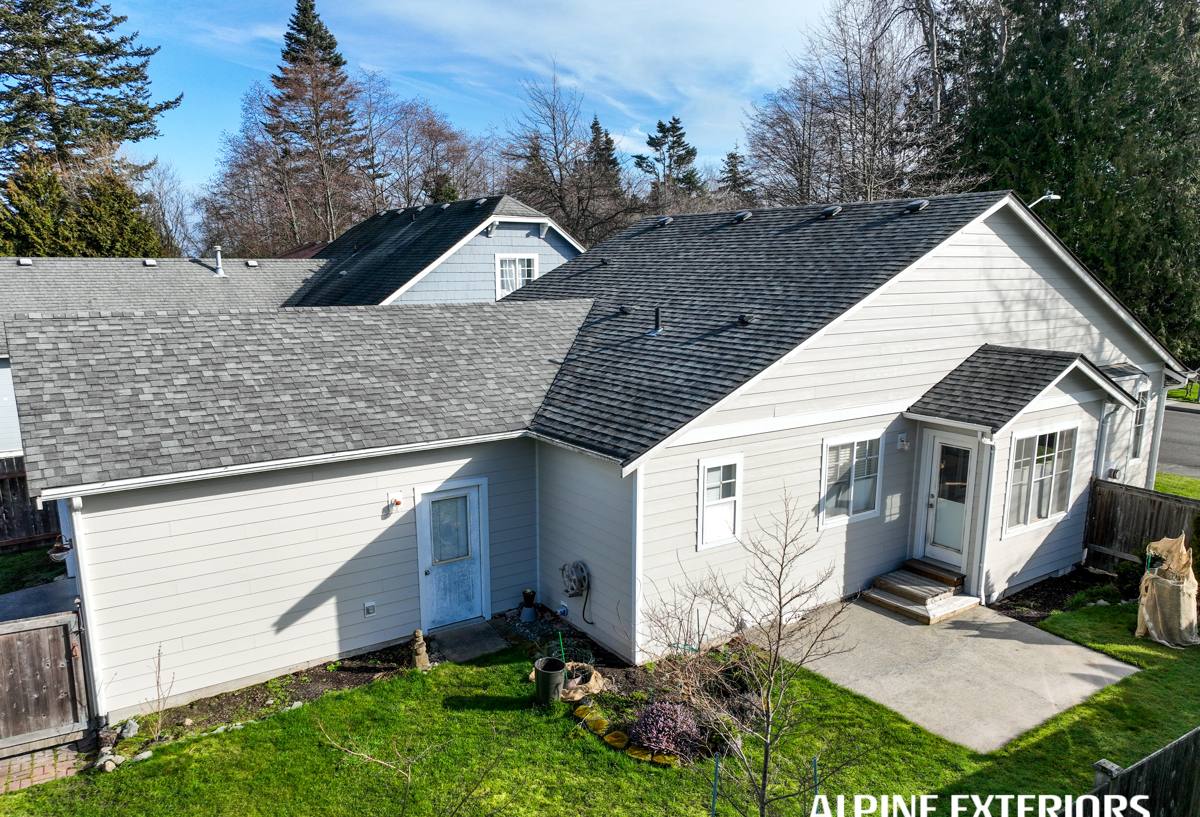
What the Edison Climate Does to a House
Every region has its own combination of weather stresses, and Edison's is a specific one. Understanding it is the starting point for any honest conversation about siding.
Salt Air and Moisture
Proximity to saltwater means airborne salt settles on exterior surfaces over time. Salt is hygroscopic — it pulls moisture out of the air and holds it against whatever it lands on. For wood-based or wood-fiber siding products, that means more sustained dampness at the surface than an inland home would ever see, even on days without rain.
Driving Rain
Skagit County gets weather systems that come through sideways, not just straight down. Wind-driven rain finds its way into laps, seams, butt joints, and fastener penetrations that a calmer rain would never reach. Siding that isn't engineered and installed with that in mind ends up taking on water at exactly those weak points.
Moss and Extended Damp Season
Western Washington's moss season isn't a two-week nuisance — it's a months-long condition where north-facing walls, shaded siding runs, and anything near overhanging trees stay damp for extended stretches. Moss and algae hold moisture against the siding surface, and on products that aren't dimensionally stable or that absorb water at their edges, that constant dampness accelerates rot, delamination, and paint failure.
Why James Hardie Is the Only Siding We Install
We install James Hardie fiber cement siding exclusively. We don't offer LP SmartSide, vinyl, Cemplank, Allura, primed spruce, or cedar as options — not because those products don't have their place in the market, but because after years of doing exterior work in this climate, we don't think they hold up the way homeowners expect them to, and we'd rather stand behind one product we trust completely than offer a lineup that includes options we have reservations about.
What Other Products Get Right
To be fair to the alternatives: vinyl is inexpensive and low-maintenance in dry climates. Engineered wood products like LP SmartSide install quickly and take paint well. Cedar has real aesthetic appeal and a long track record. Primed spruce is a budget-friendly option that looks good on day one. None of these are bad products in the abstract.
Where They Struggle Here
The trade-offs show up over time, specifically in climates like this one. Vinyl can warp and become brittle with UV and temperature swings, and its seams are a known path for wind-driven rain. Wood-based composite siding is vulnerable at cut edges and fastener points — once moisture gets past the outer coating, the substrate underneath can swell and deteriorate, and that damage is often invisible until it's advanced. Cedar and primed spruce are natural wood products that require an ongoing maintenance commitment (re-staining, re-painting, caulking) that most homeowners underestimate, and in a persistently damp, salt-exposed environment, that maintenance interval shrinks fast.
Why We Standardized on Hardie
James Hardie fiber cement is non-combustible, dimensionally stable, and manufactured in climate-engineered product lines (HZ5, for example, is formulated for wetter, colder regions like the Pacific Northwest). It doesn't absorb moisture the way wood-based products do, so it isn't prone to the swelling and edge deterioration that comes with sustained damp exposure. The factory-applied ColorPlus finish is baked on under controlled conditions and backed by its own finish warranty, separate from the substrate warranty on the material itself. When it's installed to Hardie's specifications — correct clearances, proper flashing, factory-primed or ColorPlus-finished cut edges sealed — it's a product we're comfortable putting our name behind for the long haul.
Our Services in the Edison Area
Siding is our specialty, but exterior problems rarely show up in isolation, so we handle the full envelope of the home.
- Siding replacement — full tear-off and James Hardie installation, including trim, soffit, and fascia work
- Roofing — replacement and repair, since a failing roof and failing siding often share the same underlying moisture problem
- Windows — replacement windows installed with proper flashing integration into the new siding system
- Decks — new construction and replacement, built for the same wet, mossy conditions the siding has to withstand
Bundling these services matters more in a climate like this than in a dry one. A window that isn't flashed correctly, or a deck ledger board that's trapping moisture against the wall, can undermine even a well-installed siding job. Handling siding, roofing, windows, and decks under one crew means the flashing details at every transition point are handled consistently, instead of being split across contractors who may not coordinate.
How the Siding Replacement Process Works
Inspection and Assessment
We start by walking the exterior and looking for the specific failure patterns that show up in this climate: soft spots and delamination at butt joints, moss buildup on shaded walls, staining below window sills, and any soft or spongy trim. This tells us not just whether siding needs replacing, but whether there's underlying sheathing or framing damage that needs to be addressed before new siding goes on.
Removal and Substrate Repair
Old siding comes off, and we inspect the weather-resistive barrier and sheathing underneath. In a wet climate, this step matters — covering up damaged sheathing with new siding just hides the problem and lets it keep progressing. Any rot or water damage gets repaired before anything new goes up.
Weather Barrier and Flashing
A new or repaired weather-resistive barrier goes down, with flashing at every window, door, and penetration detailed to shed water outward, not trap it behind the cladding. This is the layer that does the real work of keeping wind-driven rain out of the wall assembly — the siding itself is the second line of defense, not the first.
Hardie Installation to Spec
James Hardie panels and lap siding go up with the manufacturer's specified clearances from grade, roofing, and decks, proper fastener placement, and sealed or factory-finished cut edges. Installation quality is what determines whether a fiber cement product delivers on its warranty and its lifespan — Hardie's own guidance on clearances and fastening exists because those details are what keep moisture out of the material's edges.
Trim, Paint Lines, and Final Detail
Trim, corner boards, and any field-painted elements get finished, and we do a final water-management check — making sure kick-out flashing, deck ledger flashing, and any roof-to-wall transitions are directing water away from the new siding rather than into it.
Comparing Siding Materials in a Coastal Skagit County Climate
| Material | Moisture Resistance Here | Maintenance Burden | Typical Lifespan Range |
|---|---|---|---|
| James Hardie Fiber Cement | High — dimensionally stable, doesn't swell | Low — occasional wash, factory finish holds up | Decades, with proper installation |
| Vinyl | Moderate — seams vulnerable to wind-driven rain | Low, but limited repair options if damaged | Variable, shorter in UV/temperature swings |
| LP SmartSide / Engineered Wood | Lower — vulnerable at cut edges and fasteners | Moderate — coating maintenance matters | Shorter if moisture reaches the substrate |
| Cedar / Primed Spruce | Lower — natural wood, absorbs moisture | High — regular re-staining or re-painting | Depends heavily on upkeep |
This isn't a claim that the other materials fail on every house — plenty of homes carry them for years. It's a description of why, specifically in a salt-air, high-rainfall, extended-moss environment, the maintenance and moisture-management math tips in favor of fiber cement.
Moss, Mildew, and Ongoing Maintenance
Even the best siding benefits from basic upkeep, and in this climate that upkeep is worth taking seriously rather than putting off.
- Rinse siding periodically to remove salt residue and organic buildup, especially on walls facing the water or shaded by trees
- Keep gutters clear so overflow isn't running down the siding face
- Trim back vegetation and tree branches that keep a wall shaded and damp longer than the rest of the house
- Check caulking at trim joints and window flashing annually — caulk fails well before the siding does
- Look for moss or algae taking hold on north-facing or shaded walls and address it before it spreads
- Watch for soft trim or staining below windows and sills, which often signals a flashing issue rather than a siding issue
What Affects the Cost of a Siding Project
| Factor | Why It Matters |
|---|---|
| House size and complexity | More corners, gables, and dormers mean more cutting, trim work, and labor time |
| Substrate condition | Rot or moisture damage found during tear-off adds repair scope before new siding goes up |
| Siding profile chosen | Lap siding, panel systems, and shingle-style Hardie products vary in material and labor cost |
| Trim and detail work | Corner boards, window trim, and fascia detailing add labor beyond the flat wall area |
| Access and site conditions | Multi-story sections, tight lot lines, or landscaping can affect scaffolding and staging |
We don't publish blanket per-square-foot pricing because these factors genuinely change the number from house to house — a straightforward single-story ranch and a house with multiple gables and water damage behind the old siding are not the same project. A walk-through and written estimate is the only way to get an honest number.
Why a Local Crew Matters
A crew that works Skagit County regularly knows what to look for the moment they walk up to a house here — where moss tends to establish first, which wall orientations take the worst of the driving rain, and how the salt-air exposure near the water differs from a home a few miles inland. That local knowledge shapes real decisions: where extra flashing attention is worth it, which clearances need to be watched most closely, and what maintenance schedule actually fits the site. It also means someone who knows the area is available if a question comes up after the job is done, rather than a crew that worked one job here and moved on.
Get a Free, No-Pressure Estimate
If your Edison home is showing signs of wear from the salt air, rain, or moss — or if you're simply planning ahead for a siding, roofing, window, or deck project — we're happy to take a look and walk you through what we see, with no pressure to move forward. Use the form below to request a free estimate.