 Anacortes Siding
 Exterior Work in Ship Harbor: A Different Kind of Climate
Ship Harbor sits on the west side of Fidalgo Island, close to the Washington State Ferries terminal and open water toward Rosario Strait and the San Juan Islands. That position is part of what makes the neighborhood beautiful, and it's also exactly why homes here take a harder beating than houses a few miles inland in Anacortes or elsewhere in Skagit County. Wind off the water carries salt spray onto siding and trim. Storms roll in with driving, wind-pushed rain rather than gentle vertical rainfall. And where trees or hillsides shade a home's north or west wall for much of the day, moss and algae get a long, damp season to work with.
None of that is unusual for anyone who's lived on Fidalgo Island for a while — but it does mean exterior materials that work fine in a drier, calmer climate can struggle here. Siding selection in Ship Harbor isn't a cosmetic decision. It's a functional one.
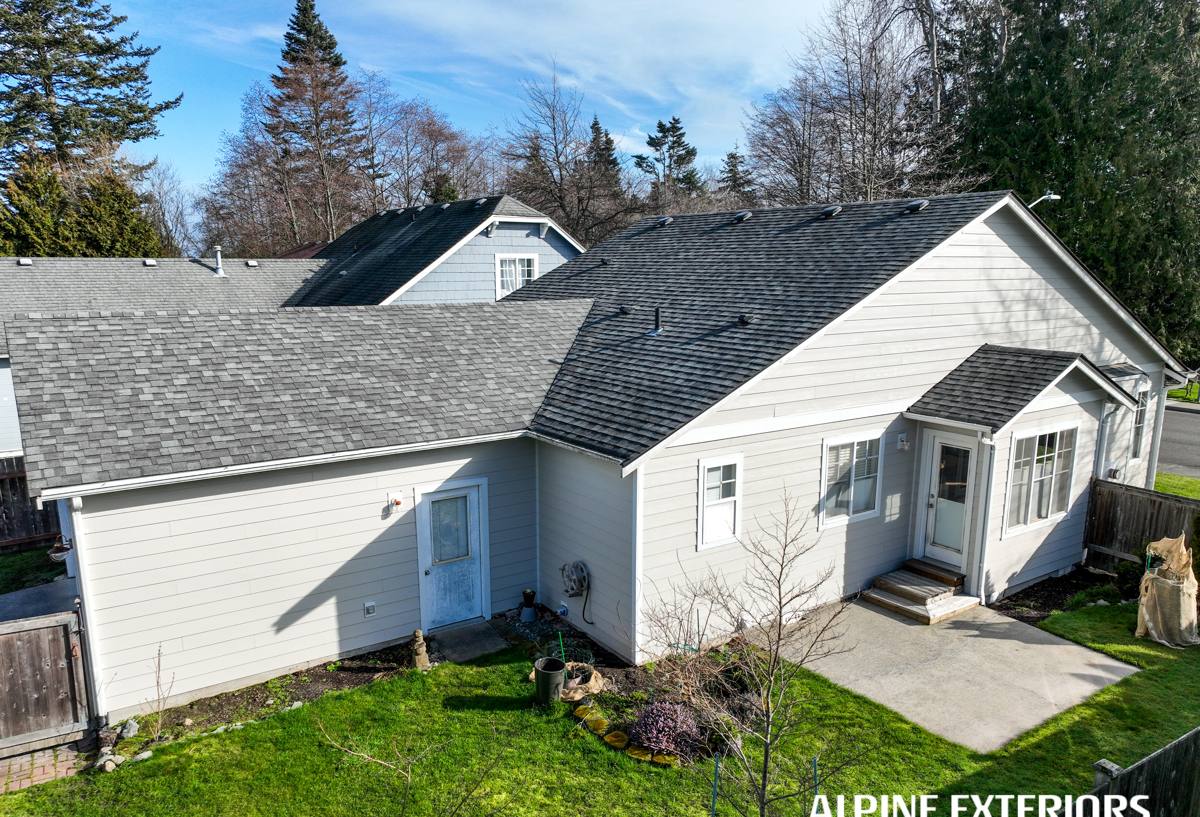
What Salt Air, Wind-Driven Rain, and Moss Actually Do to a House
Salt Air and Corrosion
Airborne salt is corrosive to fasteners, flashing, and certain siding finishes, especially on west- and south-facing walls that catch the prevailing weather. Over years, salt exposure can accelerate the breakdown of paint film on wood siding and contribute to premature fastener corrosion if the wrong hardware was used during installation.
Wind-Driven Rain
Rain that's being pushed sideways by wind off the water finds its way into laps, seams, and butt joints that would stay dry in a calmer setting. Any siding system with weak seams, poor flashing details, or a tendency to absorb and hold moisture is going to show problems faster in a spot like Ship Harbor than it would in a sheltered inland lot.
Moss and Algae
Shaded, north-facing walls near mature trees or slopes rarely dry out fully between rain events for much of the year. That's ideal growing conditions for moss and algae, which hold moisture against the siding surface and, on wood-based products, can accelerate rot at the point of contact.
Why We Install Only James Hardie Fiber Cement Siding
We made a deliberate decision as a company to install James Hardie fiber cement siding exclusively — not vinyl, not LP SmartSide, not Cemplank or Allura, not primed spruce or cedar. That's not a marketing position; it's a practical one built around what actually holds up on the Skagit County coastline.
Fiber cement is non-combustible, which matters for wildfire-adjacent insurance considerations even in a coastal climate, and it doesn't rely on paint film alone for protection the way wood siding does. James Hardie's ColorPlus finish is baked on at the factory under controlled conditions, which gives it better resistance to fading and chipping than field-applied paint, and it comes with its own dedicated finish warranty. Hardie also engineers regional product lines — including an HZ5 formulation for climates like ours, where sustained moisture exposure is the norm rather than the exception.
We're not going to tell you every other product on the market is worthless. LP SmartSide, vinyl, and cedar all have legitimate uses and satisfied owners elsewhere. What we will say is that after years of exterior work on Fidalgo Island, we settled on fiber cement as the one product family that consistently performs against salt air, wind-driven rain, and a long moss season without asking homeowners to take on a heavier maintenance burden in exchange.
How the Common Options Compare in a Marine Climate
| Material | Moisture Behavior | Salt Air / Coastal Durability | Maintenance Burden |
|---|---|---|---|
| James Hardie fiber cement | Does not swell, rot, or delaminate from water exposure | Strong; factory finish holds up well to salt and UV | Low — occasional wash, no repainting on ColorPlus cycle |
| Vinyl siding | Sheds water but can warp or crack under wind/impact stress | Fades and becomes brittle faster under UV and salt exposure over time | Low, but limited repair options once damaged or discolored |
| Engineered wood (LP SmartSide) | Resin-treated but still wood-based; edges vulnerable if cut or damaged on site | Moderate; performs best with strict installation and gap tolerances | Moderate — caulking and paint upkeep matter more here |
| Cedar / primed spruce | Absorbs moisture; needs consistent finish maintenance to resist rot | Weaker without diligent, ongoing upkeep in salt-air exposure | High — repainting/staining cycle, more frequent inspection |
How We Approach Siding Projects in Ship Harbor
Every Ship Harbor property has its own exposure profile. A home closer to open water and prevailing wind needs different flashing and joint detailing than a home tucked behind a hillside that's more prone to shade and moss. Before we talk products or price, we walk the exterior and look at:
- Which walls take direct wind-driven rain and salt spray, and which are more sheltered
- Shaded areas where moss and algae growth are already visible
- Existing moisture damage, soft trim, or failed caulking around windows and doors
- Current siding condition and whether removal will expose deteriorated sheathing
- How rooflines, gutters, and grading are currently managing water around the house
That last point matters more than people expect. Siding is one piece of a home's total water-management system. A new siding job on a house with an undersized gutter or a roof section shedding water onto a wall will fight an uphill battle no matter how good the material is.
Full Exterior Protection, Not Just Siding
Because we also handle roofing, windows, and decks, we look at the exterior as one connected system rather than a siding job in isolation. A roof that's past its service life, window flashing that's failed, or a deck ledger board holding moisture against the house can all undercut a brand-new siding installation. When it makes sense, we'll flag those issues during the siding estimate rather than let them become the next problem call. You're not obligated to bundle services — but if your roof or windows are showing their age at the same time your siding is, it's worth addressing together while the exterior is already open.
What Correct Installation Involves
James Hardie siding performs the way it's designed to only when it's installed to the manufacturer's specifications — proper fastener type and placement, correct clearances at grade and roof lines, sealed and flashed penetrations, and attention to butt joints and corners. In a wind-driven rain environment like Ship Harbor, those details are the difference between a wall that sheds water and one that slowly lets it in.
- Fasteners rated for coastal/corrosive exposure, driven per manufacturer spacing
- Proper clearance between siding and grade, decks, and roof surfaces
- Weather-resistant barrier installed and lapped correctly behind the siding
- Flashing and sealant at every window, door, and penetration
- Butt joints and corners detailed to shed water rather than trap it
This is also why manufacturer certification matters. James Hardie's product warranty and finish warranty assume the installation followed their published specs — a poorly detailed install can undercut coverage even if the material itself is sound.
Why a Local Crew Matters Here
A crew that works across Skagit County and Fidalgo Island regularly sees how this specific stretch of coastline behaves — which walls take the worst of the weather off Rosario Strait, how moss patterns shift with tree cover and time of year, and where past installations in the area have held up versus where they haven't. That local pattern recognition shapes real decisions on your project: fastener choices, flashing details, and where extra attention to sealing is worth the time. It's a different starting point than a crew unfamiliar with how exposed, marine-adjacent sites in Anacortes actually behave over a full winter.
Maintenance and Longevity Once It's Installed
One of the practical advantages of fiber cement in a climate like this is how little ongoing maintenance it asks for compared to wood-based siding. It won't need repainting on the same cycle as cedar or primed spruce, and it isn't prone to the swelling, rot, or delamination that moisture-heavy climates cause in wood products. That said, no siding is entirely maintenance-free in a salt-air, high-moss environment. A periodic rinse to clear salt residue and organic buildup, along with keeping gutters clear and vegetation trimmed back from walls, goes a long way toward protecting the investment and keeping warranty coverage intact.
If you're weighing a siding project in Ship Harbor — whether it's a full replacement or you're evaluating whether your current siding is holding up the way it should — we're happy to take a look and give you an honest read on the property. The estimate is free, there's no pressure, and you'll get a clear picture of what your home's exposure actually calls for.