 Anacortes Siding
 Why Window Installation Looks Different on Guemes Island
Guemes Island sits just across the Guemes Channel from Anacortes, reached by a short ferry ride rather than a bridge. That single fact changes how window installation has to be planned and executed. Materials, crews, and equipment all have to cross on the ferry, which means the work has to be scheduled tighter and thought through further in advance than a job on the mainland. It also means the island has its own microclimate — more direct exposure to wind and salt spray off the Salish Sea, with less shelter from surrounding development than you'd find in town.
Homes on Guemes Island range from older cabins and farmhouses to newer waterfront builds, but a lot of the housing stock was built decades ago with single-pane or early dual-pane aluminum windows that were never designed for the amount of moisture and salt exposure the island sees. Replacing those windows correctly is less about picking a product off a shelf and more about understanding what the site is actually up against.
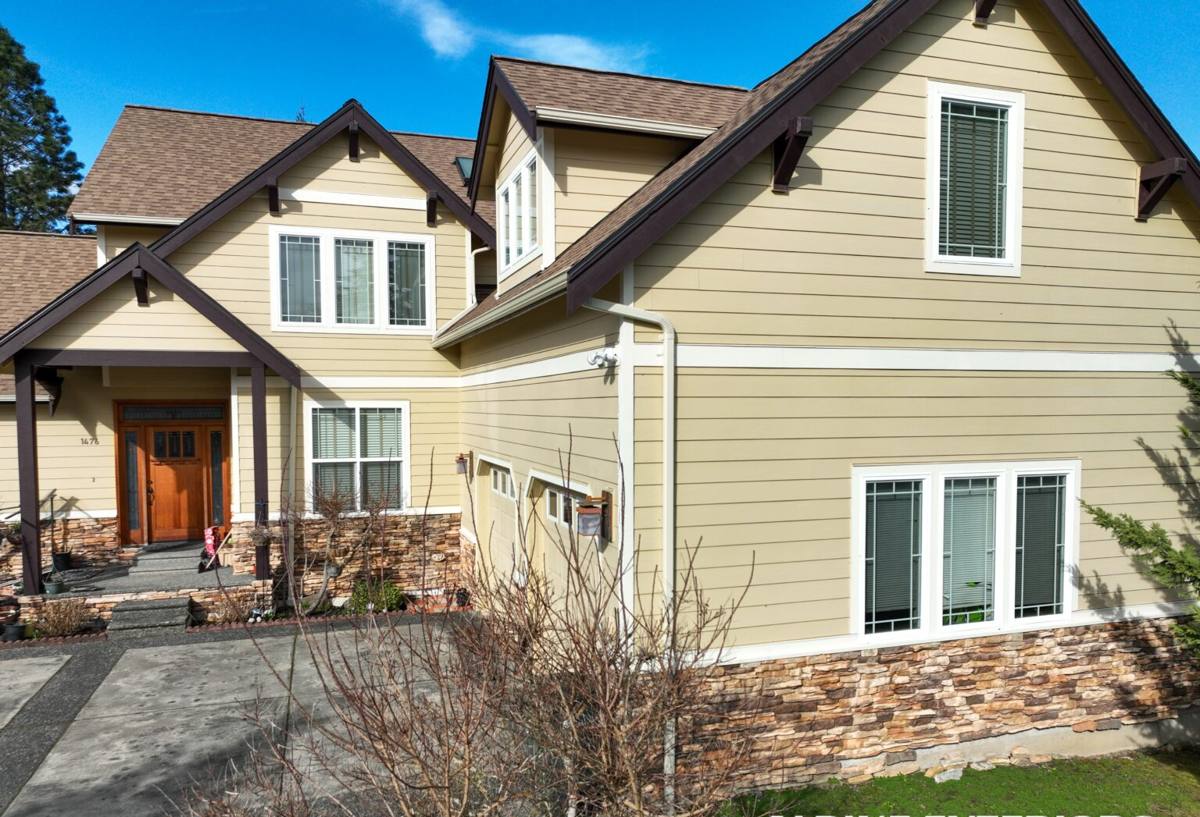
What Skagit County's Marine Climate Does to Windows
Anacortes and the surrounding Skagit County waterfront share a marine climate defined by three things that are especially hard on windows: salt air, wind-driven rain, and a long moss season. Salt-laden air corrodes unprotected metal hardware, screws, and fasteners over time, which is why hinges, cranks, and cladding fasteners on an island installation need to be rated for coastal exposure rather than standard-grade parts.
Driving rain is the bigger structural concern. Rain here doesn't just fall — it's frequently pushed sideways by wind off the water, which means it hits window openings at an angle and probes for any gap in the flashing or sealant. A window that would perform fine in a sheltered inland yard can leak within a season or two on an exposed island wall if the flashing detail wasn't built for wind-driven rain specifically.
Then there's moss and algae. The combination of shade from evergreen trees, persistent damp, and mild temperatures means moss gets a long growing season on this part of the Washington coast. On windows, that shows up as green growth and staining on sills, trim, and anywhere water sits instead of draining — which is as much a drainage and detailing problem as it is a cleaning problem.
Signs Your Guemes Island Home Needs New Windows
Not every old window needs to be replaced, and not every drafty window is actually failing at the frame. Here's what we actually look for during an assessment:
- Visible gaps, soft or spongy wood at the sill or lower corners of the frame
- Fogging or a permanent haze between panes on dual-pane units (a sign the seal has failed)
- Paint that's bubbling or peeling specifically around the window opening, not the whole wall
- Persistent moss or dark staining on the sill or trim that comes back soon after cleaning
- Windows that are noticeably harder to open, close, or lock than they used to be
- Noticeable draft or temperature difference near the window on a windy day
- Condensation forming on the inside of the glass regularly, even in normal weather
Any one of these on its own might just need a repair. Several of them together, especially on a wall that faces open water or prevailing wind, usually points to a frame or seal that's past the point of patching.
Choosing the Right Window Material for an Island Home
There's no single "best" window material — the right choice depends on how exposed the home is, how much upkeep the owner wants to do, and the look of the house. For coastal Skagit County properties, here's how the common options actually compare:
| Material | Salt air & moisture performance | Maintenance | Typical cost range |
|---|---|---|---|
| Vinyl | Won't rust or corrode; performs well in salt air with quality hardware | Low — no painting, occasional cleaning | Lower end of the range |
| Fiberglass | Excellent — very stable in temperature swings and moisture, resists warping | Low to moderate | Mid to upper range |
| Wood with aluminum or vinyl cladding | Good on the exterior face, but any exposed or damaged wood is vulnerable | Higher — cladding needs inspection at joints and sills | Upper range |
| Bare aluminum-frame | Prone to corrosion and condensation in salt air without added protection | Moderate to high | Varies widely |
Our standard for direct waterfront or wind-exposed installations on Guemes Island is a vinyl or fiberglass frame with stainless or coated corrosion-resistant hardware, simply because it removes an entire category of maintenance problems. Wood-clad windows can still be the right call for a specific architectural look, but we're upfront that they ask more of the homeowner over time in a marine environment.
Flashing and Moisture Management: The Part That Actually Prevents Leaks
Most window failures we see on the island aren't a bad window — they're a window that was installed without proper flashing for the amount of wind-driven rain the wall actually sees. A correct install builds in redundancy so that if water does get past the outer seal, it has somewhere to go instead of into the wall cavity.
That means, at minimum: a sloped sill pan under the window so any water that gets in drains back outside instead of pooling; flashing tape or membrane integrated with the home's weather-resistive barrier in the correct shingle-lap order (each layer overlapping the one below it, top to bottom); and a sealed but not fully caulked-shut exterior joint, since windows need a way to weep out any incidental moisture rather than being sealed into a trap.
On a wall that catches direct wind off the water, we'll often go a step further with additional head flashing or a drip cap to break up water before it reaches the window head. This is the kind of detail that costs very little extra at install time but is the actual difference between a window that's dry in twenty years and one that's rotting the wall behind it in five.
How Ferry Logistics Shape Our Install Process
Working on Guemes Island means every window, every roll of flashing tape, and every tool has to make the ferry crossing along with the crew. We plan around that instead of discovering it mid-job. In practice that means:
- Ordering windows with enough lead time that any manufacturing delay doesn't strand us mid-project on the island
- Staging materials and doing a full pre-trip checklist before the ferry crossing, since a forgotten part means a lost trip, not a quick drive back to the shop
- Grouping install days to make efficient use of each crossing rather than commuting back and forth daily when it can be avoided
- Building weather and ferry schedule buffers into the timeline, since wind and marine forecasts can affect both the work and the crossing itself
None of this changes the quality of the installation, but it does change how we quote timelines. We'd rather tell an island homeowner up front that a job will take a few extra planning days than promise a mainland-speed schedule and miss it.
Permitting and Code Considerations on Guemes Island
Guemes Island is unincorporated Skagit County, not part of the City of Anacortes, so building permit questions for island properties go through Skagit County Planning & Development rather than the city. A straightforward like-for-like window replacement — same size opening, same rough structure — often doesn't require a separate permit in many cases, but that's not guaranteed for every property.
Anything that changes the size of the opening, affects a load-bearing header, or involves a bedroom egress window typically does require permitting and inspection. Because parts of the island fall within shoreline or critical-area overlays given its waterfront geography, it's also worth confirming a property's specific zoning before assuming a project is exempt. We check this on the front end of a project rather than leaving a homeowner to sort it out with the county after the fact.
Our Window Installation Process, Step by Step
The process is the same craftsmanship whether the job is in town or on the island — the difference is in the planning around it:
- On-site assessment of existing windows, framing condition, and wall exposure to wind and rain
- Material and window selection based on exposure, budget, and the home's existing style
- Accurate measurement and ordering, with lead time built in for the ferry-dependent schedule
- Removal of the old window and inspection of the framing and sheathing underneath for hidden rot or moisture damage
- Installation of sill pan flashing, the new window, and properly lapped weather barrier integration
- Interior and exterior trim, sealing, and a final operation check on every unit
- Walkthrough with the homeowner before we leave the site
If we find rot or moisture damage behind an old window during removal — which isn't rare on older island homes — we stop and talk through it with the homeowner before proceeding, rather than installing a new window over a compromised wall.
Why Hire a Crew That Already Works Guemes Island
A contractor who's never worked on the island has to learn its logistics on your project's dime — figuring out ferry timing, discovering a wind exposure they didn't plan flashing for, or making an extra unplanned crossing because something was left behind. A crew that already works Guemes Island has that overhead built into how we quote, schedule, and detail the work from the start.
That matters most in the details that don't show up until years later: whether the flashing was built for wind-driven rain specifically, whether the hardware was rated for salt air, and whether the crew planned the job around the island's realities instead of treating it like any mainland Anacortes address.
If your windows on Guemes Island are drafty, fogged, hard to operate, or just original to a decades-old build, we're happy to take a look and give you a straightforward, no-pressure estimate — fill out the form below to get started.