 Anacortes Siding
 Windows Built for Fidalgo Island's Weather, Not Just the Opening
Fidalgo Island sits right where the Salish Sea weather comes ashore. Homes here deal with a longer wet season than most of Washington sees, salt-laden air off the surrounding water, and a moss season that can run half the year on shaded north and west walls. A window that's a fine fit for a dry inland climate can underperform here within a few years if it wasn't installed with this exposure in mind. This page covers what window installation actually requires on Fidalgo Island, what a correct job looks like, and how our process is built around the conditions we see on this island every week.
We're not talking about exotic problems. It's steady, ordinary exposure — wind-driven rain hitting the same wall for days at a stretch, salt air slowly working on hardware and fasteners, and moisture sitting in shaded corners long enough for moss and mildew to take hold. None of that is dramatic, but it adds up, and it's exactly what separates a window installation that lasts from one that starts causing problems in year three or four.
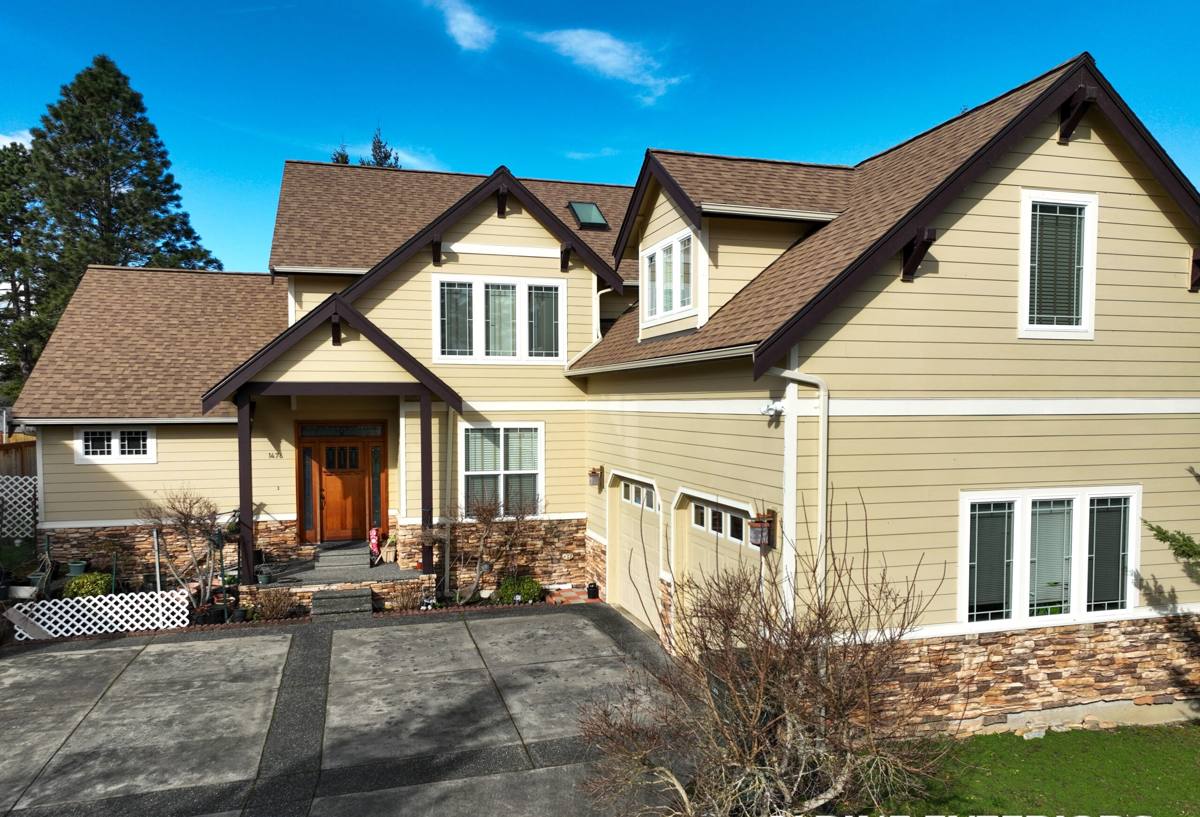
What Salt Air and Driving Rain Actually Do to a Window Over Time
Corrosion and Hardware Wear
Salt air doesn't need to be blowing hard to matter — it's present in the moisture that settles on glass, frames, and hardware most mornings on Fidalgo Island, especially on homes with any open exposure toward the water. Over years, that salt content accelerates corrosion on lower-grade fasteners, hinges, and locking hardware. It's one reason we pay attention to the hardware and fastener specification on a window, not just the frame material — a good frame with cheap screws and latches is still a weak point.
Moisture Intrusion at the Weak Points
Every window has the same handful of vulnerable spots: the sill, the corners where the frame meets the rough opening, and the flashing above the head. Wind-driven rain on this island doesn't just fall — it gets pushed sideways and upward under trim and behind flashing that isn't lapped correctly. A window that's beautiful and well-built can still leak if the flashing sequence around it was rushed. This is almost always an installation issue, not a product issue.
Moss, Mildew, and Slow Wood Rot
Skagit County's damp season keeps north- and west-facing walls wet for long stretches, and shaded areas around trees or close neighboring structures barely dry out at all between rains. That's the environment moss and mildew like, and it's also the environment where any hidden moisture behind a poorly sealed window frame turns into rot before anyone notices. Correct installation is as much about keeping water out of the wall cavity as it is about the window looking good from the street.
What a Correct Window Installation Involves Here
A window installation is a system, not a single product drop-in. On Fidalgo Island, we treat the following as non-negotiable parts of every job:
Flashing and Water Management
Correct flashing means a shingle-lap sequence — sill pan first, then side flashing, then head flashing — so water is always directed down and out, never trapped behind a layer. On a house with real coastal exposure, we don't skip a sill pan even on a straightforward retrofit, because it's cheap insurance against the kind of slow leak that isn't visible until there's already damage behind the wall.
Sealants and Materials Suited to Marine Exposure
Not every sealant holds up to constant damp-dry cycling and salt exposure. We use sealants and backer materials rated for exterior, high-moisture use, and we don't rely on caulk alone to do a flashing detail's job — caulk is a finishing touch, not a substitute for correct water-shedding technique underneath it.
Fit, Shimming, and Insulation
A window that's shimmed square and plumb, with the gap around it properly insulated (not overpacked, which compresses low-expansion foam and reduces its effectiveness), performs better and lasts longer. Gaps that are left open or poorly insulated are a common source of both drafts and condensation problems in a cool, damp climate like ours.
| Frame Material | How It Handles Salt Air & Rain | Maintenance Burden | Where It Fits Best on Fidalgo Island |
|---|---|---|---|
| Vinyl | Won't rust or rot; performs well in coastal exposure | Low — occasional cleaning | Most homes; strong value for the climate |
| Fiberglass | Very stable in temperature swings and damp cycling; resists corrosion | Low | Higher-exposure walls, larger openings |
| Wood-clad | Good appearance, but cladding seams and any exposed wood need attention near salt air | Moderate to higher | Homes prioritizing a specific traditional look, with a maintenance plan in place |
| Aluminum | Conducts cold and can promote condensation; coastal-grade finishes hold up but hardware needs monitoring | Moderate | Specific architectural or commercial-style applications |
We don't push one material on every home. The right choice depends on the wall's exposure, the home's style, and what the homeowner wants to maintain over time — we'll walk through the honest trade-offs for your specific openings rather than a one-size answer.
Signs Your Fidalgo Island Home's Windows Are Due for Replacement
- Visible fog or moisture trapped between panes of double-glazed glass
- Wood trim or sill that feels soft, spongy, or shows dark staining
- Drafts you can feel near the frame even with the window fully latched
- Difficulty opening, closing, or locking the window smoothly
- Paint or finish that's bubbling, peeling, or chalking faster than the rest of the exterior
- Moss or persistent green growth right at the window's trim or sill line
- Noticeably higher heating bills than a similar-sized, similarly insulated home
- Visible daylight or gaps around the frame from outside
Our Process for Fidalgo Island Window Installation
1. On-Site Assessment
We look at each opening individually — exposure direction, current condition of the framing and sill, signs of past water intrusion, and how the window ties into the rest of the siding and trim. Exposure varies a lot across the island; a bluff-top wall facing open water needs a different level of detail than a sheltered wall on the same house.
2. Product Recommendation
We recommend frame material, glass package, and hardware based on that specific wall's exposure and your budget, and explain the trade-offs plainly so you're choosing with real information, not a sales pitch.
3. Removal and Opening Prep
Old windows come out carefully so we can inspect the rough opening and framing underneath. If there's rot or water damage back there — which does turn up on older coastal homes — we address it before anything new goes in. Installing a new window over damaged framing just hides the problem.
4. Flashing, Setting, and Sealing
This is where the work described above happens: sill pan, shingle-lapped flashing, correct shimming, low-expansion insulation, and marine-grade sealant at the final joints.
5. Trim, Cleanup, and Walkthrough
Interior and exterior trim are finished to match the home, the site is cleaned up, and we walk the job with you — opening and closing every window, checking locks, and answering questions before we call it done.
Why a Crew That Already Works Fidalgo Island Matters
Window installation isn't exotic work, but local familiarity changes the outcome in small, real ways. A crew that already works this island knows which walls tend to take the worst weather, what kind of framing conditions show up in homes of a certain age around Anacortes, and how to sequence a job around actual Skagit County weather windows rather than a generic forecast. We're also close enough to come back quickly if you have a question after the install, and we're not learning the local building department's requirements for the first time on your project.
None of that replaces a careful installation — good technique matters everywhere — but it does mean fewer surprises and a crew that's already seen how this specific climate treats a window over time.
Cost Factors for Window Installation on Fidalgo Island
Every home is different, so we don't quote sight-unseen, but these are the main factors that move the number:
| Factor | Why It Affects Cost |
|---|---|
| Number of windows | Per-window cost typically drops somewhat with larger jobs due to shared setup and mobilization |
| Frame material and glass package | Fiberglass and upgraded low-E or argon-filled glass cost more than standard vinyl double-pane |
| Retrofit vs. full-frame replacement | Full-frame replacement (removing trim and flashing entirely) costs more but is often the right call when there's existing water damage |
| Existing rot or framing repair | Any damaged sill or framing found during removal adds labor and material before the new window can go in correctly |
| Wall exposure and access | Second-story or hard-to-access openings on exposed walls take more time to flash and seal correctly |
| Trim and siding match | Matching existing trim profiles or siding around a new opening adds finish work |
As a rough sense of scale, straightforward vinyl window replacements on this island often run in the range most homeowners expect for quality residential work, with upgraded materials, full-frame work, or rot repair pushing individual openings higher. We'll give you real numbers for your home after a look at the actual openings, not a phone estimate.
Maintenance After Installation in a Moss-Prone, Salt-Air Climate
A correctly installed window still benefits from a little seasonal attention here. Rinse salt residue off frames and glass a couple of times a year, especially on walls facing open water. Keep weep holes at the sill clear of debris and moss so water can drain the way it's designed to. Check exterior caulk lines annually — sealant is a wear item, and catching a hairline gap early is far cheaper than dealing with the water damage that follows a few seasons of it going unnoticed. None of this is heavy maintenance, but skipping it in this climate shortens the life of even a well-installed window.
If you're weighing a window replacement or repair on Fidalgo Island, we're happy to take a look and give you an honest, no-pressure estimate — use the form below to get started.