 Anacortes Siding
 Roof Repair in Edison: Built for the Skagit County Climate
Edison sits close enough to Samish Bay and the surrounding tidal flats that its roofs take a different kind of beating than homes further inland. Salt-laden air off the water, long stretches of driving rain, and a moss season that can run most of the year all work against asphalt, wood, and metal roofing in ways that show up as leaks, granule loss, and soft decking well before a roof's expected lifespan is up. A roof repair here isn't just about patching what's visible — it's about understanding why that spot failed in the first place and making sure the fix holds up to the next wet season, not just the next inspection.
We work throughout Skagit County, and Edison's mix of older farmhouses, newer builds on larger lots, and homes tucked closer to the sloughs and low-lying fields means no two repair jobs look quite the same. What stays consistent is the approach: find the actual source of the problem, repair it correctly, and leave the roof in a condition where it's not going to call us back in a year.
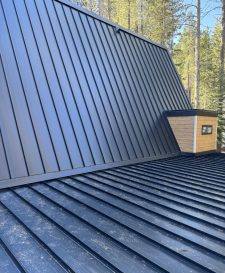
What Edison's Climate Does to a Roof
Salt Air and Metal Corrosion
Homes closer to Samish Bay and the surrounding tidal areas see accelerated corrosion on any exposed metal — flashing, fasteners, gutter hardware, and metal roofing panels themselves. Galvanized fasteners that would last decades further inland can start rusting and backing out years earlier near the water. When we repair a roof in this area, we pay close attention to what the flashing and fasteners are made of, not just whether the shingles look intact, because a corroded fastener under an otherwise fine-looking shingle is exactly the kind of failure that gets missed in a quick visual check.
Driving Rain and Wind-Driven Water
Skagit County gets sustained, wind-driven rain, and Edison's open, low-lying terrain doesn't offer much of a windbreak. That combination pushes water sideways and upward under laps and around penetrations in ways that a roof designed only for straight-down rain won't handle. Leaks around chimneys, skylights, vent pipes, and valley areas are the most common failure points we see, and they're rarely a simple "replace the shingle" fix — the underlayment and flashing details underneath usually need attention too.
A Long Moss Season
Shade, moisture, and mild temperatures make this part of Skagit County ideal for moss growth on north-facing and heavily shaded roof slopes. Moss holds moisture directly against the roofing material, lifts shingle edges as it grows, and works its way under laps over time. Left unaddressed, it doesn't just look bad — it shortens the life of the roofing material underneath and creates the kind of trapped moisture that leads to rot in the decking below.
Common Roof Problems We Find in Edison Homes
Across the repair calls we get in this area, a handful of issues come up repeatedly:
- Moss buildup on shaded, north-facing slopes causing lifted shingles and trapped moisture
- Corroded or failing flashing around chimneys, skylights, and vent penetrations
- Wind-driven rain intrusion at valleys and roof-to-wall transitions
- Granule loss and brittle shingles from prolonged sun and moisture cycling
- Soft or rotted decking discovered only after a leak has been active for some time
- Clogged or undersized gutters contributing to water backing up under the roof edge
- Fastener backout and rust staining on older metal roofing or flashing
What a Correct Roof Repair Actually Involves
A durable repair starts with figuring out where the water is actually getting in, which is often not where the stain shows up inside the house — water can travel along rafters or decking before it drips somewhere visible. We open up the area around the suspected entry point, check the condition of the underlayment and decking, and only then decide what needs to be replaced versus what's still sound.
On older Edison homes, that inspection sometimes turns up decking that's soft or delaminating from long-term moisture exposure, which needs to be cut out and replaced before any new roofing goes back down. Patching over compromised decking might look fine for a season, but it doesn't hold up, and it's not a repair we're willing to stand behind. We'd rather tell a homeowner honestly that a small section needs deeper work than sell a quick patch that fails again in a year.
Flashing Gets the Same Attention as Shingles
Because of the salt air and wind-driven rain in this area, we treat flashing repair as part of nearly every roof repair job, not an optional add-on. Reusing corroded or undersized flashing to save a step is one of the more common shortcuts that leads to repeat leaks, and it's one we avoid.
Repair vs. Replace: What Actually Drives the Decision
Not every problem roof needs a full replacement, and not every leak can be permanently solved with a patch. The honest answer usually depends on a few concrete factors:
| Factor | Favors Repair | Favors Replacement |
|---|---|---|
| Age of roofing material | Under roughly 12-15 years | Near or past expected material lifespan |
| Extent of damage | Isolated to one area or penetration | Spread across multiple slopes |
| Decking condition | Solid, no rot found | Soft, delaminated, or repeatedly wet |
| Moss/algae staining | Surface-level, recent | Long-term with granule loss underneath |
| Number of prior repairs | First or second repair | Third or more repair in the same area |
We'll always give a straight answer on which side of that table a given roof falls on, including when replacement is genuinely the more cost-effective choice over the next several years.
Our Repair Process
- On-site inspection — we get on the roof (weather permitting) and inspect from the interior attic space if accessible, looking for the real source of the leak rather than just the visible symptom.
- Honest assessment — we explain what we found, what's causing it, and what the repair will involve, in plain terms, before any work starts.
- Removal of compromised material — damaged shingles, underlayment, flashing, or decking are removed back to sound material, not just covered over.
- Correct reinstallation — new underlayment, flashing, and roofing material installed to match the surrounding roof and shed water correctly, including proper laps for the wind-driven rain common here.
- Cleanup and walk-through — the work area is cleaned, debris and old material hauled off, and we walk the homeowner through what was done.
Materials and Fasteners That Hold Up Near the Water
Given the salt air exposure in Edison, we lean toward corrosion-resistant fasteners and flashing materials for repair work in this area rather than the minimum-spec hardware that might be fine further inland. It costs a little more up front, but a fastener that rusts through in eight years instead of twenty-five turns a one-time repair into a recurring one — and that's the kind of maintenance burden we'd rather homeowners avoid.
We also pay attention to how new material ties into existing roofing. A repair that doesn't match the surrounding shingle profile or color can look patched even when it's structurally sound, so we source materials that blend in wherever that's practical.
Why a Crew That Already Works Edison Matters
Roofing crews that mostly work drier, inland climates sometimes underestimate what wind-driven rain and sustained salt exposure actually do to a roof over time. A repair approach that's perfectly adequate in a low-moisture area can fall short here within a couple of wet seasons. Because we work throughout Skagit County and see this pattern of damage regularly — the same moss lines, the same flashing failures, the same fastener corrosion — we're not guessing at what's causing a leak or what it'll take to fix it correctly the first time.
Local familiarity also means a faster, more accurate assessment. We know which parts of a roof in this area are most likely to be the actual problem before we even climb up, which saves time and keeps the inspection focused on where it matters.
Maintenance That Extends the Life of a Repair
A well-done repair still benefits from basic upkeep, especially in a moss-prone, wet climate:
- Clear moss and debris from shaded slopes before it has a chance to lift shingle edges
- Keep gutters clean so water isn't backing up under the roof edge during heavy rain
- Trim back overhanging branches that keep sections of roof shaded and damp
- Have flashing checked periodically, especially around chimneys and skylights, since it tends to fail before the field shingles do
If you're dealing with a leak, moss buildup, or just want an honest read on the condition of your roof, we're happy to come out and take a look. The estimate is free and there's no pressure to move forward — just a straight assessment of what your roof actually needs.