 Anacortes Siding
 Windows Built for Conway's Particular Weather
Conway sits low in the Skagit River valley, close enough to Skagit Bay and the Sound that homes here deal with a mix of conditions that don't show up the same way twenty miles inland. You get salt-tinged air drifting up from the water, wind-driven rain that finds its way sideways under badly flashed trim, and a wet season that runs long enough for moss and algae to get a foothold on anything that stays damp. Windows are one of the first things to show the wear from all of that — clouded glass, swollen sashes, sticky locks, and frames that have gone soft at the corners. If you're looking at a window replacement in or around Conway, the job is as much about managing moisture and salt exposure as it is about picking a nice-looking window.
We're an Anacortes-based crew that already works this stretch of Skagit County, from the Conway lowlands out toward the water. That matters more than most homeowners expect, and we'll explain why further down.
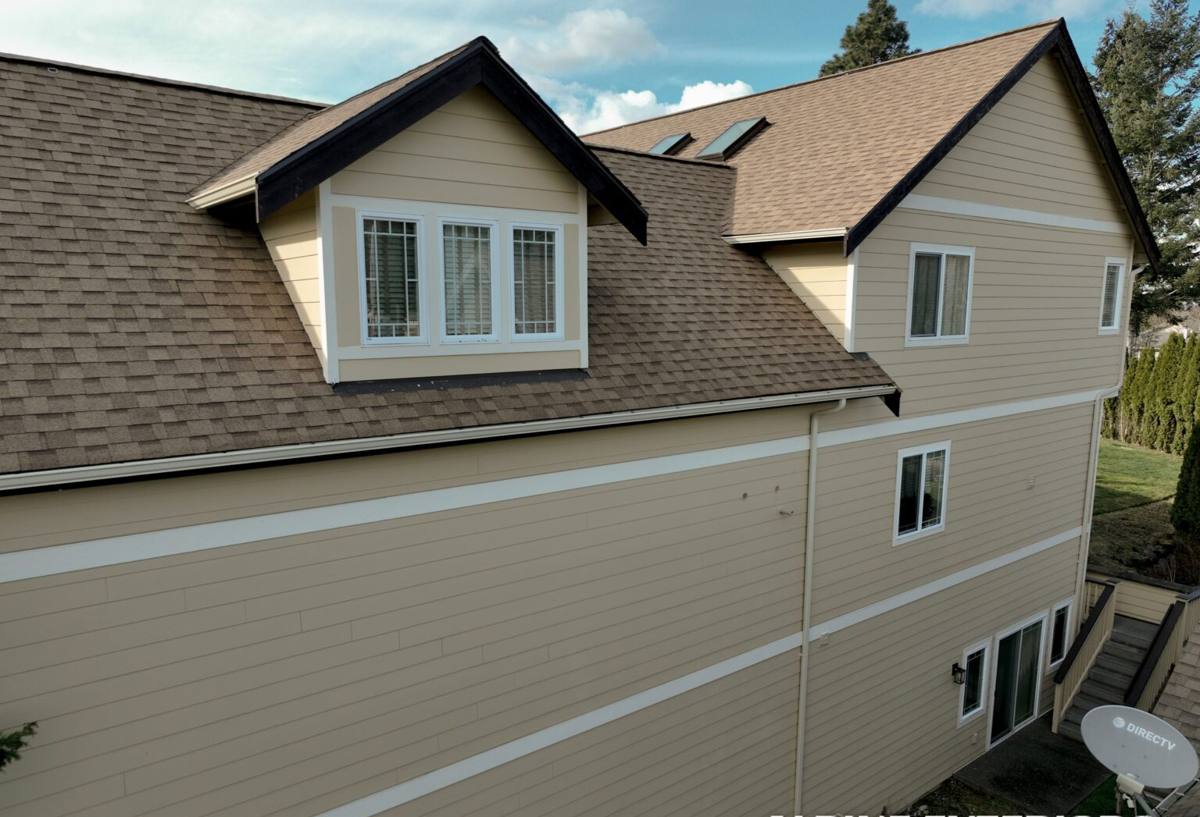
What "Energy-Efficient" Actually Means Here
Energy efficiency gets thrown around as a marketing word, but for a Conway home it comes down to a few concrete things: how well the window keeps conditioned air inside, how well it resists condensation on our damp, temperature-swinging days, and how the frame material holds up to years of moisture without warping or letting air leak around the edges.
The Practical Factors
- U-factor — how much heat passes through the window. Lower is better for our mild-but-damp winters where you're heating more days than you're cooling.
- Air infiltration rating — how tight the window seals against wind. Given how much wind-driven rain and gusts come off the water near Conway, this rating matters as much as the glass package.
- Condensation resistance — how well the frame and glass edge resist fogging up when warm indoor air meets cold glass. Poor performance here shows up as water pooling on sills and, eventually, rot.
- Frame material behavior in moisture — some materials shrug off damp cycling for decades; others need consistent upkeep to avoid swelling, staining, or seal failure.
A window that's efficient on paper but poorly installed will still leak air and let moisture in around the frame. The install quality is at least half the performance equation, maybe more in a climate like ours.
Why Conway's Climate Is Harder on Windows Than People Expect
Homeowners who move to this area from drier climates are often surprised by how much upkeep exterior materials need. A few specifics worth understanding before you replace windows:
Salt Air
Being close to Skagit Bay means airborne salt settles on exterior surfaces, including window hardware and metal components. Over years, this accelerates corrosion on lower-quality latches, hinges, and cranks, and it can dull or pit poorly coated aluminum. It's worth asking any contractor what hardware finish and frame coating is actually rated for coastal exposure, rather than assuming a standard inland product will hold up the same way.
Driving Rain
Rain here doesn't always fall straight down. Wind off the water pushes it sideways into wall assemblies, and a window that isn't flashed correctly — meaning the water-resistive barrier, flashing tape, and sill pan are all sequenced properly — will eventually let water track behind the frame and into the wall cavity. This is a bigger long-term risk than most people realize, because damage isn't visible until the sheathing or framing underneath has already started to rot.
The Long Moss and Algae Season
Skagit County's wet season runs long, and any surface that stays shaded and damp — north-facing walls, areas under overhangs, low sills — will grow moss and algae if it isn't detailing water away properly. On windows, this shows up as green or black staining on sills and in corners, and it's a sign that water is sitting rather than draining. Correct sill design and slope are part of preventing this, not just cosmetic caulking after the fact.
What a Correct Window Replacement Involves
A window replacement done right in this climate isn't just popping out the old unit and screwing in a new one. Here's the sequence we follow and why each step matters for a Conway home specifically:
- Remove the old window and inspect the opening. This is where hidden moisture damage from years of marginal flashing often turns up — soft sheathing, stained framing, or old fiberglass insulation that's held water.
- Repair any rot or damage found. Installing a new window into a compromised opening just seals the problem behind new trim. We won't do that — we address what we find before moving forward.
- Install or correct the sill pan. A sloped, sealed sill pan gives bulk water somewhere to go if it ever gets past the window itself. This is one of the most-skipped steps in cheaper installs and one of the most important in a wet, wind-driven climate.
- Flash in proper sequence. Water-resistive barrier, then sill pan, then side flashing, then head flashing — each layer overlapping the one below it, shingle-style, so water is always directed outward and down.
- Set the window plumb, level, and square, shimmed correctly so the frame isn't under stress that could crack seals prematurely.
- Insulate the gap between the frame and rough opening with a material that stays flexible rather than one that hardens and cracks over time, leaving an air gap.
- Seal and trim the exterior with weather-appropriate sealant, checked for full, unbroken beads at every joint.
- Test operation and seal before we call the job finished.
Frame Material Comparison for This Climate
| Material | Moisture Behavior | Maintenance | Notes for Coastal Skagit County |
|---|---|---|---|
| Vinyl | Doesn't rot or corrode; can flex slightly in temperature swings | Low — occasional cleaning | Good baseline value option; verify UV and coastal-grade formulation |
| Fiberglass | Very stable dimensionally; resists swelling and warping | Low | Strong option near the water where movement and moisture cycling are constant |
| Aluminum | Can corrode without proper coating; conducts heat/cold readily | Moderate — watch hardware and finish | Needs marine-rated coatings and hardware near salt air, or corrosion becomes an issue |
| Wood (clad or unclad) | Handsome but vulnerable if seals or cladding fail | Higher — repainting, sealant checks | Workable if maintained diligently; riskier as a low-maintenance choice this close to the bay |
We'll talk through these trade-offs honestly based on your specific exposure — a wall facing the prevailing wind and rain off the water needs different consideration than a sheltered side of the house.
Our Process, Start to Finish
1. On-Site Assessment
We look at existing windows, check for signs of moisture intrusion around openings, and talk through which rooms or exposures are giving you the most trouble — drafts, condensation, stuck sashes, or visible staining.
2. Straightforward Proposal
You get a clear breakdown of what's being replaced, what frame and glass package is recommended and why, and what any underlying repairs will involve if we find damage during removal.
3. Scheduled Installation
We plan around weather where we can, since a dry install window matters for sealants and flashing tape adhesion. In Skagit County that sometimes means being flexible on timing.
4. Walkthrough and Sign-Off
We walk every window with you, confirm smooth operation, and make sure you understand any care specifics for the materials chosen.
Signs Conway Homeowners Should Watch For
- Fogging or moisture between panes of glass — a failed seal, not fixable, only replaceable
- Visible gaps or daylight around the frame when the window is closed
- Soft or discolored trim and sill material
- Moss, algae, or persistent green-black staining on sills or lower frames
- Windows that are difficult to open, close, or lock
- Noticeable drafts near the frame on windy days
- Rising heating costs without another clear explanation
Cost Factors Worth Understanding
Every quote should reflect the same handful of variables, and it's worth knowing what drives the number up or down before you compare bids:
| Factor | Why It Matters |
|---|---|
| Frame material | Vinyl, fiberglass, aluminum, and wood all carry different material and labor costs |
| Glass package | Double vs. triple pane, low-E coatings, and gas fill all affect performance and price |
| Condition of the opening | Hidden rot or framing damage adds repair time before the new window even goes in |
| Number and size of openings | Larger or custom-sized windows cost more to source and install |
| Access and site conditions | Second-story or hard-to-reach windows take more time and equipment |
We'd rather walk you through these honestly up front than give a number that doesn't hold up once we're into the job.
Why a Local Anacortes Crew Matters for Conway Work
Conway is a bit of an in-between area — not quite Anacortes proper, not quite Mount Vernon, and it doesn't always get the same attention from crews based further away. We already route through this part of Skagit County regularly, which means we're not adding a long drive premium to your job, and we're familiar with how homes here are typically built and how the local weather has treated them over the years. We've seen what wind-driven rain off the bay does to a poorly flashed window, and we build our process around preventing that outcome rather than discovering it three years later. Hiring a crew that already knows this specific stretch of coastline — not just "the Pacific Northwest" in general — means fewer surprises and a job built for the conditions your house actually faces.
Get a Straight Answer on Your Windows
If your windows are drafty, fogged, sticking, or just showing their age, we're happy to come take a look and give you an honest read on what's going on — no pressure, no upsell script. Use the form below to request a free estimate, and we'll walk your home the same way we'd walk our own.