 Anacortes Siding
 Deck Repair for Cap Sante's Waterfront Conditions
Cap Sante sits up on the bluff above Anacortes' marina, with a lot of homes there catching open views across Fidalgo Bay and Guemes Channel — and catching the weather that comes with that exposure. Elevated, water-facing decks up here take a harder hit from wind-driven rain and salt-laden air than a deck tucked into a more sheltered yard elsewhere in town. Add in Skagit County's long stretch of damp, mild weather that keeps moss growing most of the year, and a Cap Sante deck is working against a tougher combination of conditions than most homeowners realize until something starts to go wrong.
Deck repair here isn't just patching a soft board or tightening a wobbly rail. Done right, it means understanding why that board went soft or that rail loosened in the first place, and fixing the actual cause — not just the symptom sitting on top of it. This page covers what Cap Sante decks typically need, what a correct repair actually involves, and how our process works for homes in this specific part of Anacortes.
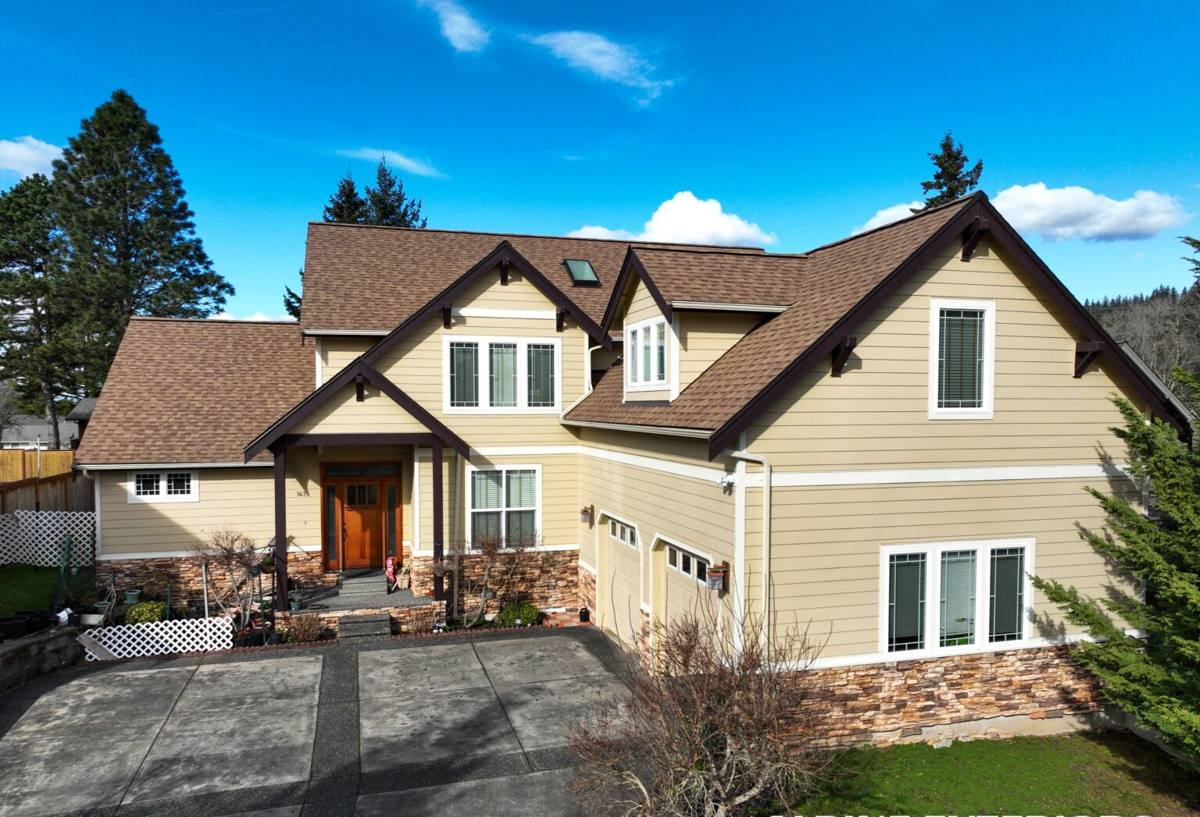
What Cap Sante's Climate Does to a Deck
Salt Air and Exposed Hardware
Homes up on the Cap Sante bluff sit close enough to the marina and open water that salt air is a near-constant presence, and it's harder on metal than most people expect. Fasteners, joist hangers, post brackets, and railing connectors all start corroding faster in salt air than they would a few miles inland, and a corroding fastener loses grip strength well before it looks bad from the surface. On a structure meant to hold weight and take foot traffic, that's a structural issue quietly building underneath a deck that still looks fine on top.
Driving Rain at an Exposed, Elevated Site
Storms coming off the water don't fall straight down — wind pushes rain sideways, up under railings, and into the seams and connection points a deck relies on to shed water. Elevated, view-facing decks in Cap Sante get more of this than a low deck screened by trees or neighboring structures, which means ledger connections, flashing, and board gapping all matter more here than they would on a more sheltered lot.
A Moss Season That Runs Most of the Year
Skagit County's mild, wet weather gives moss a long growing season, and a horizontal deck surface is one of the first places it takes hold — it holds water longer between rain events than a vertical wall does. Shaded sections, north-facing corners, and any spot where debris collects between boards are usually first to show it. Left alone, moss doesn't just look bad; it holds moisture directly against the decking and framing underneath, which is exactly the condition that leads to rot.
Signs a Deck in Cap Sante Needs Repair
Some of these show up gradually, and it's easy to write off the early signs as cosmetic. In this climate, they usually aren't.
- Boards that feel spongy, springy, or noticeably softer underfoot in one area compared to the rest of the deck
- Railing posts that wiggle, or a top rail that's developed play it didn't used to have
- Rust streaking below fastener heads or hardware — a sign the metal underneath is actively corroding
- Persistent moss or dark staining that comes back quickly after cleaning, especially in shaded corners
- Gaps opening up around the ledger board where the deck attaches to the house
- Stairs that feel less solid than the rest of the structure, or treads with visible cupping or splitting
- Standing water that doesn't drain within an hour or two after rain stops
- Visible daylight or soft wood where you can see framing from underneath the deck
Any one of these on its own might be minor. Two or three together, especially on an older deck, usually means it's time for a proper inspection rather than another round of surface patching.
What a Correct Deck Repair Actually Involves
The mistake we see most often on Cap Sante decks that have had prior "repairs" is that someone replaced what was visibly damaged — a rotted board, a loose rail — without checking whether the framing underneath or the connection points around it were also compromised. That approach buys a season or two, not a real fix.
Structural Inspection First
A real repair starts underneath the deck, not on top of it. That means checking joists, beams, and posts for soft spots or rot, checking the ledger board and its flashing where the deck ties into the house, and checking fastener condition throughout — not just where the visible problem is. Rot and corrosion don't stay contained to one spot; they tend to spread along whatever path holds moisture longest.
Matching the Fix to the Cause
A soft board near the house often traces back to failed or missing ledger flashing, not a bad board. A wobbly rail post often traces back to a corroded or undersized fastener, not a loose bolt that just needs tightening. Repairing the visible symptom without addressing the underlying cause means the same failure comes back, usually within a year or two.
Coastal-Grade Materials and Fasteners
Given the salt air here, we standardize on stainless steel or coastal-rated corrosion-resistant fasteners and hardware for any repair work, even when the original deck was built with standard galvanized hardware. It costs a little more upfront and holds up considerably longer in this environment, which matters more on a repair — where you're often reusing existing framing — than it would on new construction.
Repair or Replace? What Actually Decides It
| Condition | Usually Repairable | Usually Points to Replacement |
|---|---|---|
| Framing (joists, beams, posts) | Isolated soft spots near a known moisture source | Widespread rot or corrosion across multiple structural members |
| Ledger board connection | Flashing failure caught early, board itself still sound | Rot has spread into the ledger board or the house rim joist behind it |
| Decking surface | A handful of damaged or worn boards on an otherwise sound deck | Widespread cupping, splitting, or moss staining across most boards |
| Railings and posts | Loose hardware or a single damaged section | Multiple posts showing rot or corrosion at the base |
| Overall age and history | Deck under 15–20 years old with a clear, isolated problem | Older deck with a history of repeated repairs in different spots |
Age alone doesn't decide it — a well-built, well-maintained older deck can still be a good repair candidate, while a newer deck built with the wrong hardware for this climate can already have widespread corrosion. That's why the inspection matters more than the deck's age on paper.
Our Deck Repair Process for Cap Sante Homes
- Site visit to inspect the deck from both the surface and underneath, including framing, ledger connection, fasteners, and drainage
- Straight assessment of what's actually failing, what's causing it, and whether repair or replacement makes more sense for that specific deck
- A written scope and price before any work starts, so there are no surprises once we're into it
- Repair work sequenced from the structure outward — framing and connections first, then decking, railings, and stairs
- Coastal-grade fasteners and hardware used throughout, including on sections not originally built with them
- Refinishing or sealing as needed on wood surfaces, matched to what that specific material needs going forward
- A final walkthrough covering what to watch for and how to maintain the repair given Cap Sante's conditions
Maintenance That Extends a Repaired Deck's Life
A correct repair buys you years, but this climate doesn't let a deck coast on that alone. A little routine attention keeps small issues from becoming the same problem you just paid to fix.
- Rinse the deck surface periodically to clear salt residue and organic buildup before it works into the wood grain or board surface
- Keep gaps between boards clear of leaves, needles, and debris so water can actually drain and the deck can dry between storms
- Check railing hardware once a year, ideally before the wet season sets in, for early corrosion or loosening
- Address any moss regrowth promptly rather than letting it sit through another wet season
- Look underneath the deck occasionally, not just at the surface — that's where problems usually start
- Reseal or refinish wood decking on the schedule that product actually needs in this climate, not on a generic yearly guess
Why It Matters That We Already Work Cap Sante
Cap Sante has a mix of housing ages and deck styles, and a good number of them sit up on the bluff with real exposure to wind and salt spray off the water. A contractor who mostly works more sheltered lots elsewhere in Anacortes or further inland in Skagit County can still do competent repair work, but they're often guessing at fastener grades and flashing details that we've already worked through repeatedly on decks up here.
Working this neighborhood regularly also means we're familiar with the practical side of the job — decks built on sloped or elevated lots, access considerations that come with bluff-top properties, and being upfront about what a given deck actually needs versus what's just an upsell. That shows up most in the judgment calls: knowing when a deck genuinely needs a full rebuild versus when a targeted structural repair will hold up fine for years, and saying so plainly either way.
Get a Straight Read on Your Deck
If your deck in Cap Sante has a soft spot, a loose rail, or you just want an honest opinion on whether it's a repair or a replacement situation, we're glad to come take a look. We'll tell you what we actually find — no pressure, no upsell for its own sake. Reach out below for a free estimate.