 Anacortes Siding
 Why Decks in Conway Wear Out Faster Than People Expect
Conway sits low in the Skagit River delta, close enough to Skagit Bay that the air carries a faint edge of salt even on a still day, and close enough to the river and surrounding farmland that humidity lingers long after a storm has passed. That combination is hard on a deck. Wood fibers absorb moisture from the air itself, not just from rain, and they rarely get a full chance to dry out before the next system rolls in off the water. Add in the long moss season that defines this part of Skagit County — often eight or nine months a year where surfaces stay damp enough for spores to take hold — and you have a structure that's under constant low-grade attack.
Most decks in this area don't fail because of one dramatic event. They fail because moisture found a way into a joint, a fastener, or a ledger connection years ago and nobody could see it happening. By the time boards feel spongy or railings wobble, the damage underneath is usually further along than it looks from the surface.
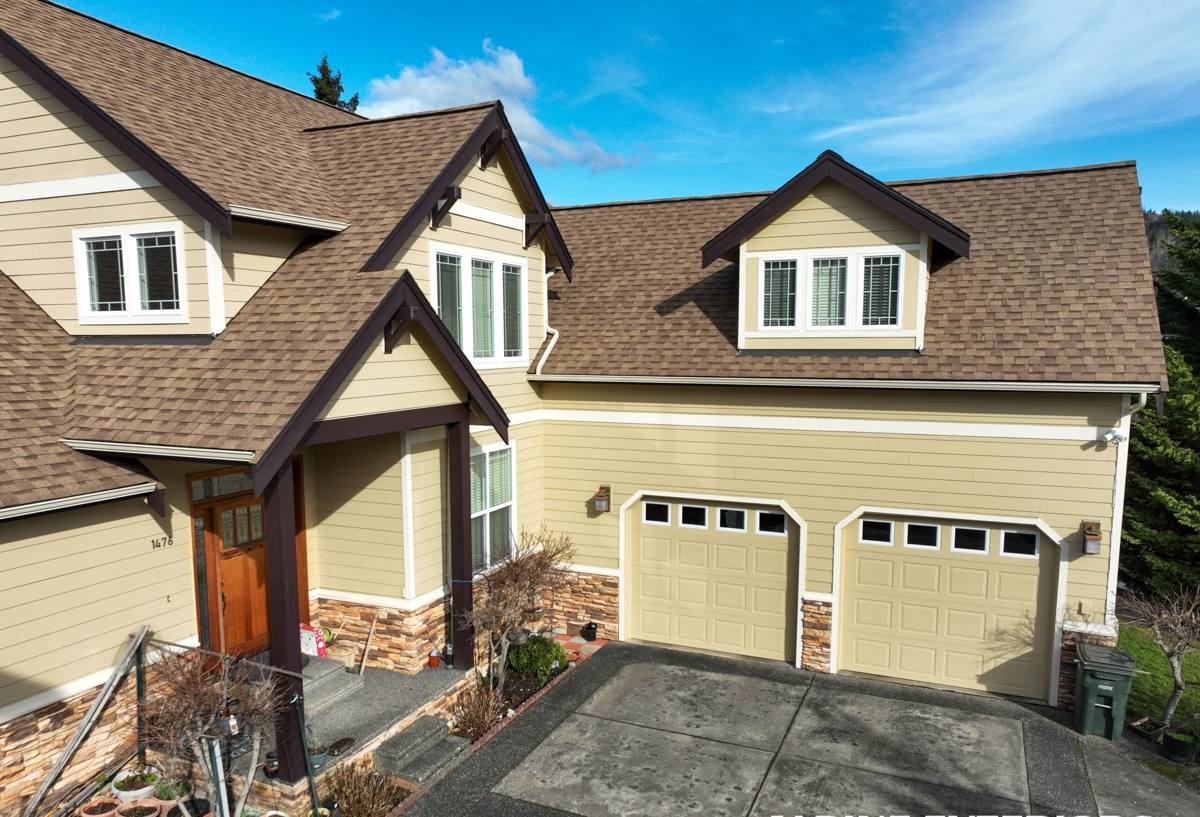
Signs a Deck Needs Replacement, Not Another Repair
Repair makes sense when the problem is isolated. Replacement makes sense when the structure itself has been compromised. Here's how we sort that out during an inspection:
- Soft, spongy, or discolored decking boards, especially near the house or in shaded corners that never fully dry
- Rust streaking or loose fasteners where screws or bolts meet wood
- Any movement or bounce in the frame when you walk across it
- Visible gaps, rot, or separation where the deck ledger meets the house wall
- Posts or footings that have shifted, settled, or show soft ground around the base
- A persistent green or black film that keeps returning within weeks of cleaning
- Railings that flex more than they should when leaned on
One or two of these on their own might mean a repair. Several together, or any sign of rot at the ledger or main support posts, usually means the deck has reached the point where rebuilding is the safer and more cost-effective path.
What a Correct Deck Replacement Actually Involves
Framing and the Ledger Connection
The ledger board — where the deck attaches to the house — is the single most important detail on any deck, and it's the spot that causes the most trouble in wet climates like ours. If it isn't flashed correctly, water works its way behind the ledger and into the house's rim joist, rotting both the deck frame and the framing inside the wall before anyone notices. A proper replacement means removing the old ledger entirely, inspecting the rim joist behind it for hidden rot, and installing new flashing that actually sheds water away from the house rather than trapping it against the siding.
Footings and Support Posts
Conway's ground is low, flat, and holds moisture longer than higher ground closer to Anacortes proper. Footings need to be set to the correct depth and diameter for the load they're carrying, with posts isolated from direct soil contact using proper post bases rather than buried wood. We check drainage around each footing location before we pour, because a footing sitting in standing water year after year will move regardless of how well it was built.
Fasteners and Hidden Hardware
Every screw, joist hanger, and structural bolt on a deck in this climate needs to be rated for exterior, corrosion-resistant use — and matched to whatever decking or framing material it's holding. Mixing incompatible metals (for example, standard fasteners with certain treated lumber chemicals) accelerates corrosion. This is a detail that's invisible once the deck is finished, which is exactly why it's worth asking about before work starts.
Choosing Decking Material for Conway's Climate
There's no single "best" decking material — there's a best material for how a homeowner wants to use and maintain the deck. Here's how the common options actually perform in a damp, moss-prone, salt-tinged environment like ours:
| Material | Moisture Performance | Maintenance Needs | Typical Lifespan |
|---|---|---|---|
| Pressure-treated wood | Good if sealed regularly; absorbs moisture at cut ends and fastener holes | Annual cleaning and resealing recommended | 10–15 years before major issues |
| Cedar | Naturally rot-resistant but still needs sealing in constant damp conditions | Cleaning and oil/sealant every 1–2 years | 15–20 years with upkeep |
| Capped composite | Excellent; the cap layer resists moisture absorption and staining | Occasional washing, no sealing or staining | 25+ years, manufacturer-backed |
| Uncapped composite | Moderate; the exposed core can absorb moisture over time in constant wet climates | Periodic cleaning; more prone to mold in shaded, damp areas | 15–20 years |
| PVC decking | Excellent; fully synthetic, doesn't absorb water | Low; occasional washing | 25+ years, manufacturer-backed |
For a low, shaded, or partially covered deck in the Conway area, we generally steer homeowners away from uncapped composite and untreated wood combinations, simply because the moss and mildew that thrive in our climate find those surfaces easiest to colonize. That's a maintenance and appearance trade-off we're upfront about, not a claim that any product is defective — it's about matching the material to how much upkeep a homeowner actually wants to do.
Footings, Drainage, and Low-Lying Ground
Because Conway sits in the Skagit River delta, water table depth and seasonal saturation matter more here than they would on higher ground. Before any footing goes in, we check how the site drains during heavy rain — Skagit County sees plenty of driving rain events where water moves fast across flat ground rather than soaking in evenly. A deck built without accounting for that can end up with footings sitting in saturated soil for weeks at a time, which accelerates movement and settling. We grade and route water away from footing locations as part of the replacement, not as an afterthought.
Our Deck Replacement Process
- On-site inspection: We check the ledger, framing, footings, and decking to determine what's structural versus cosmetic, and confirm whether repair or full replacement is the honest recommendation.
- Design and material selection: We walk through decking, railing, and fastener options based on how the deck is used, how much sun and shade it gets, and how much upkeep the homeowner wants long-term.
- Permitting: Most deck replacements in Skagit County require a permit, especially when framing, footings, or railings are being rebuilt. We handle that paperwork rather than leaving it to the homeowner.
- Demolition and inspection of hidden framing: Once the old decking and railings come off, we inspect the rim joist and ledger area for rot that wasn't visible from the surface.
- Framing and flashing: New ledger, joists, and flashing go in first, with the ledger-to-house connection getting particular attention given how much damage a bad flashing job causes over time.
- Decking, railing, and hardware installation: Installed to manufacturer spec, with fasteners matched to the material and framing.
- Final walkthrough and inspection sign-off: We confirm the permit inspection passes and walk the homeowner through the finished deck before calling the job complete.
Permits and Code Considerations Specific to This Area
Skagit County requires permits for most deck rebuilds, particularly when the structure is more than a modest height off the ground or attached to the house. Guardrail height, baluster spacing, and stair rail requirements are code items that get checked at inspection, and they're not optional details to skip for the sake of a faster build. Because we work permits in this county regularly, we know what inspectors are looking for and build to that standard the first time, rather than discovering a correction is needed after the deck is already finished.
Why Hire a Crew That Already Works in Conway
A deck built to a generic national standard doesn't always hold up to Skagit County's specific mix of salt-tinged air, driving rain, and a moss season that runs most of the year. A crew that works this area regularly knows which ledger flashing details actually stop water intrusion in this climate, which decking materials shed moss with the least effort, and how local soil and drainage behave through a wet Pacific Northwest winter. That local knowledge shows up in details a homeowner might never think to ask about — but that determine whether a deck lasts 12 years or 25.
If your deck in the Conway area is showing signs of rot, movement, or persistent moss buildup, we're happy to take a look and give you a straight answer about whether it needs repair or full replacement. Reach out for a free, no-pressure estimate using the form below — we'll walk the deck with you and explain exactly what we find.