 Anacortes Siding
 Window Replacement Built for Cap Sante's Marine Climate
Cap Sante sits close enough to the water that its homes take a different kind of weathering than houses a few miles inland in Skagit County. Salt-laden air off the marina and Guemes Channel works into window frames and hardware year-round. Driving rain off Puget Sound finds every gap in old flashing. And the long, damp moss season that defines Anacortes winters doesn't just grow on roofs — it creeps into window sills, tracks, and any wood trim that stays wet too long. Windows here don't fail because of one dramatic event. They fail slowly, from years of moisture and salt doing what moisture and salt do.
That's the lens we bring to every window replacement job in Cap Sante: not "what's the newest window on the market," but "what will actually hold up fifty feet from salt water in a house that gets rain sideways half the year."
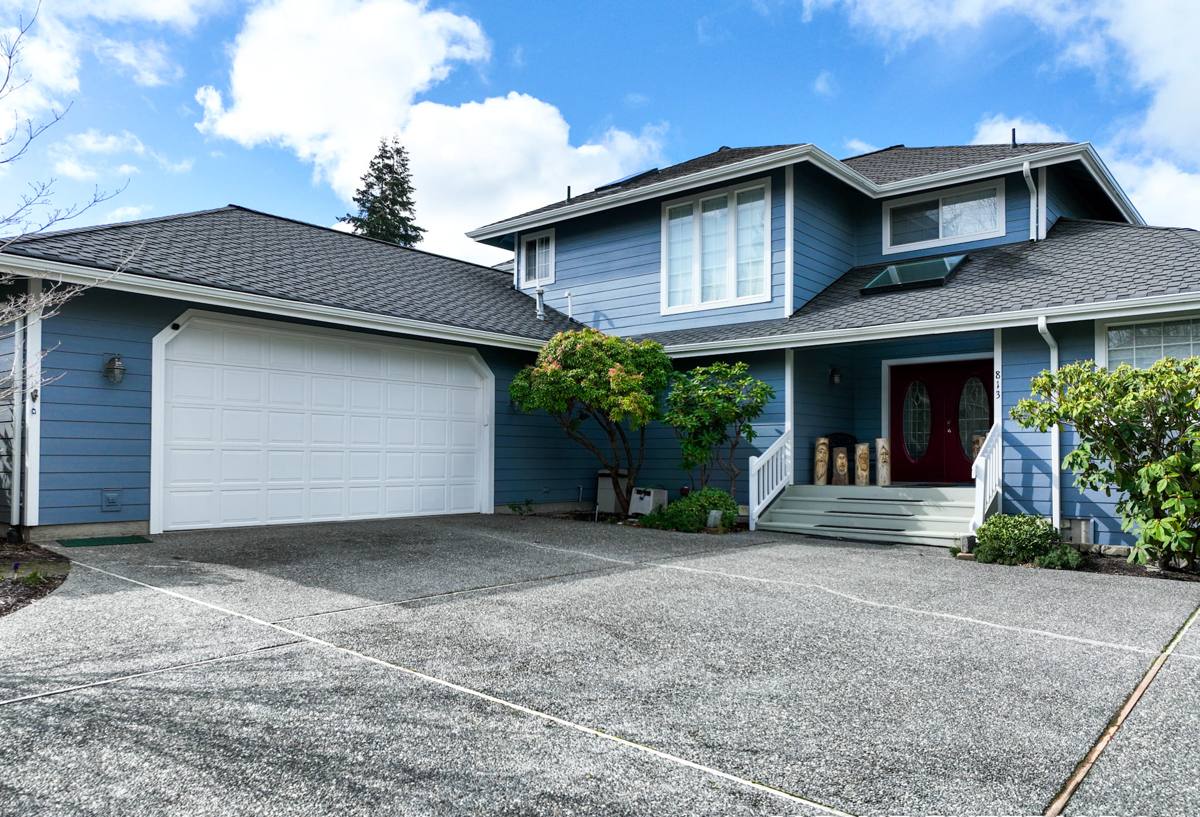
Signs a Cap Sante Home Needs New Windows
Most homeowners call us after noticing one obvious problem, but a proper inspection usually turns up two or three more. Here's what we look for and what you can check yourself before calling anyone out:
- Fogging or a permanent haze between panes — the seal on the insulated glass unit has failed and moisture is trapped inside
- Wood trim or sills that feel soft, spongy, or show dark staining, especially on the west and south-facing walls that catch the worst weather
- Windows that are hard to open, don't latch fully, or have visibly warped or swollen frames
- Noticeable draft or cold air near the frame even with the window fully closed and locked
- Condensation forming on the inside of the glass regularly, which often points to a failed seal or poor insulation, not just humidity in the house
- Visible corrosion on hardware, hinges, or locks — common on homes closer to the water where salt air accelerates metal fatigue
- Chalky, faded, or peeling paint on wood-framed windows that keeps coming back within a year or two of repainting
Any one of these can often be repaired. Two or three together, especially on a window over 20 years old, usually means replacement is the more honest recommendation — repeated repairs on a failing frame rarely pencil out over time.
What a Correct Window Replacement Job Actually Involves
The window itself is only part of the job. In a climate that drives rain horizontally against a wall, how the window is installed matters as much as what window you choose. A poorly flashed opening will leak eventually no matter how good the glass is.
Removal and Opening Prep
We remove the old unit carefully to check the condition of the rough opening underneath — this is where hidden rot or old water damage shows up, especially on older Anacortes homes where original flashing wasn't designed for the volume of wind-driven rain this area sees.
Flashing and Moisture Management
Proper window replacement means integrating flashing tape and building paper (or house wrap) in the correct shingle-lap order so any water that gets behind the siding sheds outward and down, never into the wall cavity. This step gets skipped or rushed more often than homeowners realize, and it's usually the difference between a window that lasts decades and one that causes a rot problem five years later.
Setting, Shimming, and Sealing
The new window gets shimmed level and plumb, fastened per the manufacturer's specifications, and sealed with the right sealant for a marine climate — one that stays flexible through temperature swings and doesn't break down under constant damp exposure.
Interior and Exterior Finish
Interior trim is reset or replaced, and exterior trim is sealed and painted or capped so it isn't left exposed to the next rainy stretch.
Choosing Materials for Salt Air and Moss Season
Every window material has trade-offs, and none of them are "bad" — they just perform differently in a coastal, wet climate. Our job is to be straight with you about which upfront, not sell you on whatever has the best margin.
| Material | Salt Air Performance | Moisture Behavior | Maintenance |
|---|---|---|---|
| Vinyl | Very good — won't corrode or rust | Doesn't absorb water or rot | Low — occasional cleaning |
| Fiberglass | Excellent — very stable in coastal air | Minimal expansion/contraction, resists moisture well | Low, higher upfront cost |
| Wood-clad | Good if cladding is intact, vulnerable where cladding is breached | Interior wood needs protection from condensation | Moderate — watch seams and joints |
| Aluminum | Poor without proper coating — prone to corrosion near salt water | Conducts cold, can promote condensation | Higher — coatings need monitoring |
For most Cap Sante homes, we steer clients toward vinyl or fiberglass for their resistance to salt corrosion and moisture absorption. We're not against wood-clad windows — they look great and perform well — but we're honest that they need more diligence in this specific location, particularly around caulking and paint maintenance on any exposed wood.
Glass Package Considerations
Double-pane, low-E glass is the practical baseline for this climate — it cuts heat loss during our cold, wet winters and reduces solar gain on the rare hot summer days. Argon-filled units add a bit more insulating value. Triple-pane is available but often isn't necessary unless you're on a particularly exposed, wind-heavy stretch near the water — we'll tell you honestly if we think it's overkill for your specific house.
Our Process for Cap Sante Window Replacement
- Free on-site estimate — we walk the exterior and interior of each window, note frame condition, flashing issues, and any signs of hidden moisture damage
- Honest recommendation — repair versus replace, and which materials fit your home and budget without upselling
- Written quote — clear line items, no vague allowances
- Scheduled install — we work around Anacortes weather windows and won't leave openings exposed during a wet stretch
- Opening inspection during install — if we find rot or damage behind the old window, we flag it and address it before closing the wall back up, not after
- Final walkthrough — every window operates, locks, and seals correctly before we consider the job done
What Affects Window Replacement Cost
Every home is different, but these are the factors that most often move the price up or down on a Cap Sante project:
| Factor | Why It Matters |
|---|---|
| Number and size of windows | Bigger openings and more units mean more material and labor |
| Material chosen | Vinyl is generally the most economical; fiberglass and wood-clad cost more upfront |
| Condition of the rough opening | Hidden rot or old water damage adds repair time before the new window can go in |
| Access and height | Second-story or hard-to-reach windows take more labor and equipment |
| Trim and finish work | Matching existing interior trim or custom exterior detailing adds cost |
| Glass package | Upgraded low-E coatings or argon fill add a modest premium for better performance |
Rather than quote a number that doesn't mean anything without seeing your house, we'd rather walk the property, look at your specific windows, and give you a written estimate you can actually rely on.
Why It Matters That We Already Work in Cap Sante
A crew that only shows up here occasionally doesn't know which walls take the worst of the wind-driven rain, how fast moss builds up on a north-facing sill, or which older Anacortes homes tend to have flashing that was never brought up to modern standards. We've seen how salt air ages hardware and how a poorly sealed window in this neighborhood shows problems faster than the same window would fifteen miles inland.
That familiarity changes how we approach the job — where we look for hidden damage, what sealants and materials we trust here, and what maintenance advice actually applies to your specific location rather than generic manufacturer guidance written for a dry climate.
Maintaining New Windows Through Moss Season
New windows still need a little attention in this climate to get their full lifespan:
- Clear debris and moss buildup from sills and tracks a couple of times during the wet season
- Rinse salt residue off exterior frames periodically, especially on windows facing the water
- Check that weep holes on vinyl and fiberglass frames stay clear so water can drain properly
- Inspect exterior caulking annually and touch up before small gaps become entry points for water
- Wipe down hardware occasionally to keep locks and hinges operating smoothly despite salt exposure
None of this is heavy maintenance — it's the kind of five-minute check that keeps a well-installed window performing the way it should for decades instead of years.
If you're dealing with drafty, foggy, or hard-to-operate windows in Cap Sante, we're happy to take a look and give you a straight assessment — no pressure, no upsell, just an honest read on what your windows need. Use the form below to request a free estimate.