 Anacortes Siding
 Metal Roofing in Bow: Built for Skagit County Weather
Bow sits close enough to the water that salt air is a real factor in how a roof ages, and far enough into Skagit County's rain belt that a roof spends a good chunk of the year wet. Add the long moss season that comes with tree cover and shaded north-facing slopes, and you've got a climate that's tough on roofing materials that aren't installed with real attention to detail. Metal roofing, done correctly, handles all three of those conditions better than most alternatives — but "done correctly" is doing a lot of work in that sentence. A metal roof is only as good as its flashing, fastening, and drainage details, and those are exactly the things that get rushed on a job priced too low or crewed by people who don't work in this specific climate regularly.
This page is about what a metal roof needs to actually perform in Bow, not a general pitch for metal roofing everywhere. If you're comparing materials or planning a replacement on a home in this area, the details below are the ones that matter.
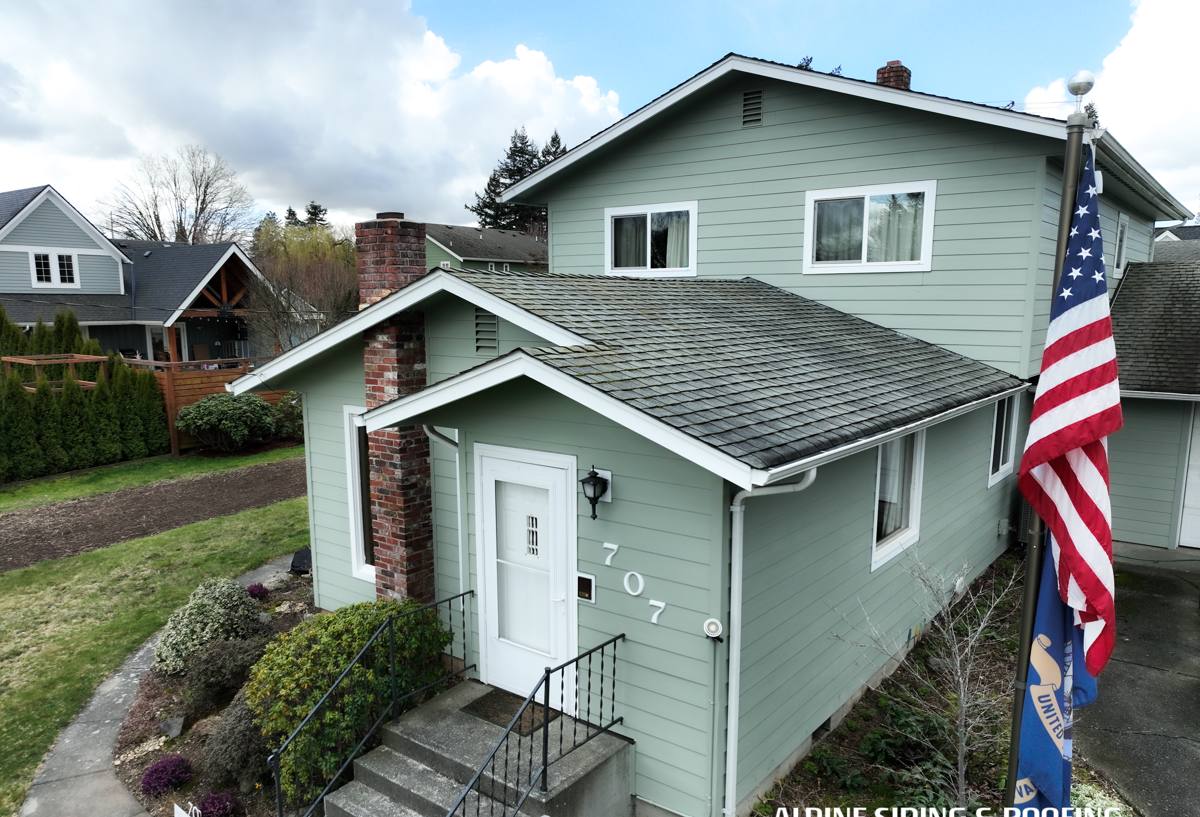
Why Bow's Climate Is Harder on a Roof Than It Looks
Salt Air and Corrosion
Proximity to Puget Sound and Padilla Bay means airborne salt is a factor for homes in and around Bow, even a few miles inland. Salt-laden air accelerates corrosion on fasteners, cut edges, and any exposed metal that isn't properly coated or protected. This doesn't mean metal roofing is a bad choice near the water — it means the specific alloy, coating, and fastener selection actually matter here, more than they would for the same roof installed forty miles inland.
Driving Rain
Storms coming off the water in this part of Skagit County often bring rain in sideways, not straight down. A roof that only sheds water well in a vertical downpour can still leak under wind-driven rain if the flashing laps, underlayment, and panel seams aren't detailed for it. This is where a lot of roofing problems in this region actually start — not with the field of the roof, but with the edges, valleys, and penetrations.
Moss and Shade
Bow has plenty of tree cover, and a shaded, moisture-retaining roof surface is exactly what moss needs to take hold. Moss holds water against a roofing surface, and on some materials that means slow degradation over years. Metal roofing doesn't give moss the same foothold that a rougher, more porous surface does, which is one of the practical reasons it holds up well here — but it's not moss-proof if debris is allowed to pile up in valleys or behind chimneys and never gets cleaned out.
What a Correct Metal Roof Installation Involves
A metal roof is a system, not just a panel. The panel itself is usually the most durable part of the job — it's everything around it that determines whether the roof performs for decades or causes problems in five years.
- Underlayment: A high-temperature, self-adhering underlayment at eaves, valleys, and penetrations, with synthetic underlayment across the field — not just felt paper under the panels.
- Fastener selection: Fasteners and clips matched to the panel alloy to avoid galvanic corrosion, which matters more in a salt-air environment than it does elsewhere.
- Flashing details: Properly formed and lapped flashing at every wall intersection, chimney, skylight, and valley — the single biggest predictor of whether a metal roof leaks.
- Ventilation: Ridge and soffit ventilation sized correctly so the underside of the deck doesn't trap moisture, which matters in a climate where the roof rarely gets a long dry stretch to fully air out.
- Panel expansion allowance: Metal expands and contracts with temperature swings; clips and fastening patterns need to allow for that movement without stressing seams over time.
- Edge and drip detailing: Properly formed drip edges and rake trim so wind-driven rain doesn't get pushed back up under the panel edge.
Panel Types We Work With
Not every metal roofing product is a good fit for every home, and part of an honest consultation is talking through which system actually suits your roof's pitch, exposure, and budget.
| Panel Type | Typical Use | Notes for Bow's Climate |
|---|---|---|
| Standing seam (concealed fastener) | Most residential roofs, especially visible or steep-pitch roofs | No exposed fasteners means fewer points where salt-air corrosion or water intrusion can start |
| Exposed-fastener panels (e.g. corrugated/ribbed) | Outbuildings, shops, some lower-slope applications | Lower upfront cost, but fastener washers and gaskets need periodic checking since they're the first thing to age in wet, salty air |
| Stone-coated steel | Homes wanting a shingle or shake appearance with metal's durability | Textured surface can hold moss and debris slightly more than smooth standing seam, so gutter and valley maintenance matters more |
We'll generally recommend standing seam for most homes in this area specifically because the concealed fastener design removes one of the most common failure points in coastal and high-moisture climates.
Metal Roofing vs. Other Roofing Options for Bow Homes
| Factor | Metal (Standing Seam) | Asphalt Composition Shingle |
|---|---|---|
| Typical lifespan | 40-70 years depending on gauge and coating | 20-30 years, often less with heavy moss/moisture exposure |
| Moss resistance | Smooth, low-porosity surface resists moss establishment | Granulated surface gives moss more to grip; needs more frequent treatment/cleaning |
| Wind-driven rain performance | Excellent when flashing details are done correctly | Good, but seams and shingle edges are more vulnerable over time |
| Salt-air durability | Strong with the right alloy/coating and fastener matching | Granule loss can accelerate near salt air over the shingle's lifespan |
| Upfront cost | Higher | Lower |
| Long-term cost per year of service | Often lower given the lifespan | Higher over a comparable time horizon due to earlier replacement |
Neither option is objectively "better" for every homeowner — budget, how long you plan to stay in the home, and the specific exposure of your roof all factor in. We'll walk through the honest trade-offs for your specific house rather than push one system across the board.
Our Process for a Bow Metal Roof Project
- On-site assessment: We look at pitch, exposure, existing deck condition, ventilation, and any moss or moisture staining that tells us where water has been getting in or sitting.
- System recommendation: Based on that assessment, we recommend a panel type, gauge, and coating suited to the home's specific exposure — not a one-size-fits-all package.
- Written estimate: A clear scope covering underlayment, flashing, ventilation, and panel specs, so you know exactly what's included before work starts.
- Tear-off and deck inspection: We check the deck for rot or soft spots once the old roofing is off — this is often where moisture damage from a previous roof shows up.
- Installation: Underlayment, flashing, and panels installed to the details above, with attention to every valley, penetration, and wall intersection.
- Final walkthrough: We review the finished roof with you, including any maintenance notes specific to your property's shade cover or exposure.
Why a Crew That Already Works in Bow Matters
Metal roofing failures are rarely about the metal itself — they're about installation choices that didn't account for the specific conditions a roof will face. A crew that regularly works homes in Bow and the surrounding Skagit County area already knows which details to be strict about: fastener compatibility near the water, flashing laps sized for wind-driven rain, and ventilation that accounts for a climate that doesn't dry out quickly. That's not something you can fully substitute with a generic installation manual, no matter how good the panel is.
We also know this area well enough to have a realistic sense of what a given roof has likely been dealing with — moss buildup patterns, which exposures take the worst of the weather, and where past roofs in this area tend to show wear first. That local pattern recognition shapes the recommendations we make on your specific home.
Maintenance That Keeps a Metal Roof Performing
- Clear debris from valleys and behind chimneys or dormers before it holds moisture against the roof surface.
- Keep gutters clean so water isn't backing up under the eave edge during heavy rain.
- Trim back tree limbs that keep sections of the roof shaded and damp longer than the rest.
- Have flashing and sealant points checked periodically, especially after major storms with high wind.
- Address any small corrosion spots on fasteners or trim early, before they become a larger repair.
None of this is heavy maintenance — that's part of the appeal of metal roofing — but a little attention a couple times a year goes a long way in this climate.
What This Costs and What Affects the Price
Metal roofing costs more upfront than asphalt shingles, and the final number depends on roof size, pitch, complexity (valleys, dormers, chimneys), panel type, and whether the existing roof needs a full tear-off. Rather than quote a number that won't actually reflect your home, we'll give you a firm written estimate after seeing the roof in person — that's the only way to account for the specific details (existing deck condition, ventilation needs, flashing complexity) that actually drive the cost.
If you're weighing a metal roof for a home in Bow, we're happy to take a look and talk through what your specific roof needs — no pressure, no obligation. Fill out the form below for a free estimate.