 Anacortes Siding
 Why Window Replacement in Flounder Bay Is a Different Job
Flounder Bay sits close to the water on Fidalgo Island, and that proximity changes what a window has to survive year-round. A window that performs fine on a sheltered inland lot in Skagit County can fail early in a few years of direct salt spray, wind-driven rain, and the damp gray stretches that keep moss and algae growing on north- and west-facing walls for months at a time. Replacing windows here isn't just a cosmetic upgrade — it's about matching the product and the installation to a genuinely harsher exposure than most of Anacortes sees.
We work in this neighborhood regularly, which means we're not guessing at how a given window line or flashing detail holds up two or three winters in. This page focuses specifically on what window replacement looks like for Flounder Bay homes: what the climate does to windows over time, what a correct job involves, and what to look for in a crew before you hire one.
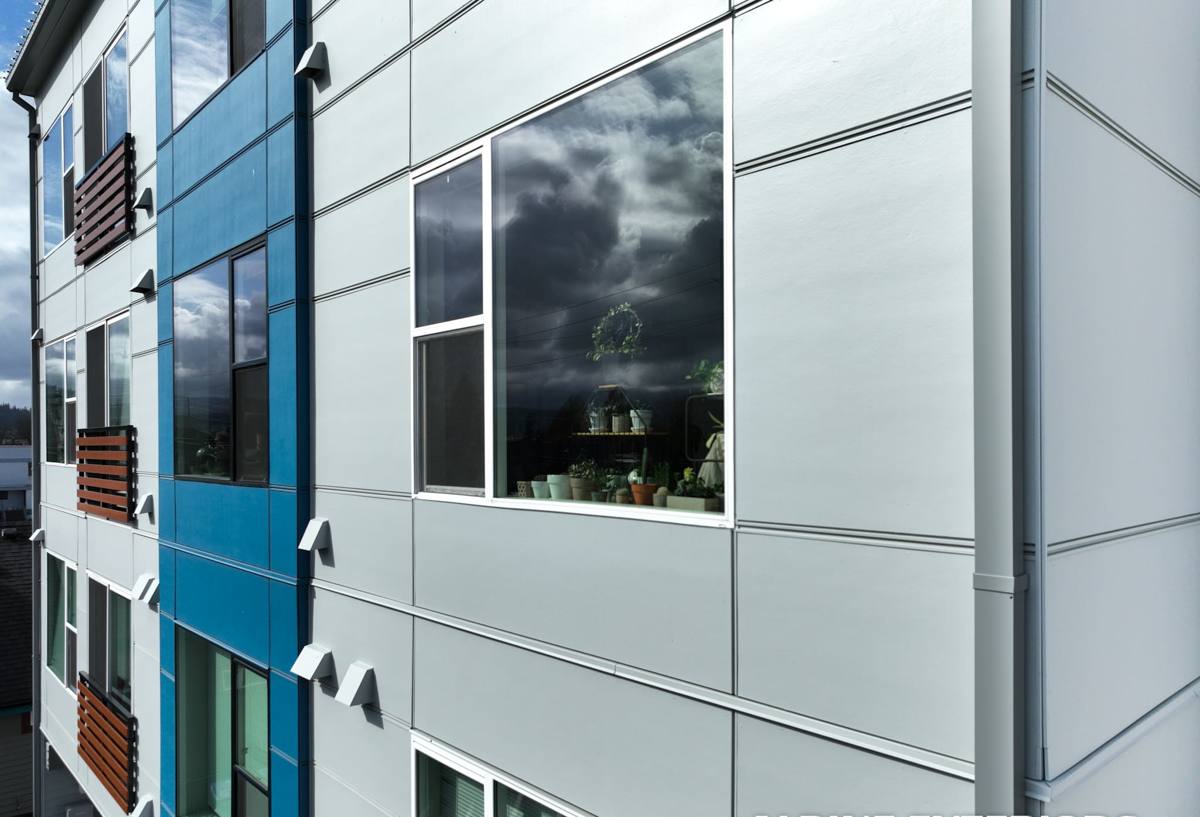
What Anacortes' Marine Climate Does to Windows Over Time
Salt Air and Metal Components
Airborne salt is corrosive to unprotected metal. On waterfront and near-waterfront properties, that shows up as pitted or streaking hardware, corroded screen frames, and — on older aluminum-frame windows — surface oxidation that eventually pits the frame itself. Fasteners and balance hardware inside the window sash take the same abuse, just out of sight, which is why hardware failure (a window that won't stay open, latches that seize) often shows up before the glass or frame looks obviously bad.
Driving Rain and Water Intrusion
Storms coming off the water tend to arrive with real wind behind them, which pushes rain sideways into wall assemblies rather than letting it run straight down. That kind of wind-driven rain finds any weak point in the flashing or sealant around a window opening. Once water gets behind the siding, it can sit against wood framing for a long time before it's visible from inside, which is how a small flashing gap turns into rot years later.
Moss, Algae, and Trapped Moisture
Anacortes gets a long moss season, and window sills, frame corners, and the caulk lines around glazing are exactly the kind of shaded, slow-drying spots moss and algae like to colonize. Beyond the cosmetic issue, moss holds moisture against the frame surface far longer than open air would, which shortens the life of both the finish and the sealant underneath it — especially on painted wood and lower-grade vinyl.
Signs a Flounder Bay Home Needs New Windows
Most homeowners notice a problem well before they call anyone — the question is usually whether it's a window issue or a bigger wall issue. These are the signs worth acting on:
- Fogging or a permanent haze between panes — the seal on the insulated glass unit has failed
- Visible corrosion or pitting on aluminum frames or hardware
- Soft, discolored, or spongy wood at the sill or lower frame corners
- Drafts you can feel with a hand near the frame on a windy day
- Windows that are hard to open, close, or latch — often a sign of frame warping or swollen wood
- Persistent moss or black staining at the sill that keeps coming back after cleaning
- A noticeable rise in heating costs without any other explanation
- Condensation on the inside of the glass in cold weather, even with normal ventilation
Any one of these on its own might just mean the window needs attention. Several at once, especially combined with soft wood at the sill, usually means water has been getting behind the frame for a while and the surrounding wall should be checked at the same time as the window.
What a Correct Installation Actually Involves
The window unit itself matters, but most window failures we see in this area trace back to installation details, not the product. A correct job includes several steps that are easy to skip and impossible to see once the trim goes back on.
Removal and Opening Prep
Once the old window is out, the rough opening gets inspected before anything new goes in. This is the point where hidden rot, old failed flashing, or framing damage actually gets found — and it needs to be dealt with before a new window is set, not patched around it.
Flashing and Weather Barrier
The flashing sequence — sill pan, side flashing, head flashing, integrated with the house's weather-resistive barrier — is what actually keeps wind-driven rain out over the long run, more than caulk or the window itself. This is the detail most likely to be shortcut, and it's the one that matters most for a home taking direct exposure off the water.
Sealing and Insulation
The gap between the window frame and the rough opening needs to be sealed and insulated correctly — not overpacked with expanding foam, which can bow the frame, and not left with air gaps that undercut the window's efficiency and let moisture track in.
Trim and Finish
Exterior trim and caulking are the last line of defense and the first thing exposed to salt air and rain. Paintable, marine-grade sealants at the joints, and trim details that shed water instead of holding it against the wall, make a measurable difference in how long the finish work lasts here.
Choosing Windows Built for This Location
There's no single "best" window for every home — the right choice depends on exposure, budget, and how the rest of the house is finished. For Flounder Bay's combination of salt air, wind, and sustained damp, these are the practical trade-offs we walk homeowners through:
| Frame Material | Salt Air / Moisture Resistance | Maintenance | Typical Fit |
|---|---|---|---|
| Vinyl | Good — won't corrode or rot | Low; occasional cleaning | Value-focused replacements, rentals, most standard homes |
| Fiberglass | Very good — dimensionally stable, resists warping | Low | Homes wanting durability without wood upkeep |
| Aluminum | Poor to fair unless marine-grade/finished — prone to pitting and corrosion near water | Moderate to high | Best reserved for specific architectural needs, not general waterfront use |
| Wood / Wood-clad | Fair — clad exterior helps, but exposed wood needs protection | High; regular finish maintenance | Homes prioritizing a traditional interior look and willing to maintain it |
We don't push one brand or material as universally "the" answer — it's a matter of matching the frame to how exposed the specific elevation of your home is, and being honest about the maintenance you're signing up for. A west- or water-facing wall often justifies a different choice than a sheltered side of the same house.
Our Process, Start to Finish
- Walkthrough and assessment — we look at each window's condition, the wall assembly around it, and note any signs of existing water damage before recommending anything.
- Honest recommendation — options presented with real trade-offs, not just the most expensive line we carry.
- Written estimate — clear scope, materials, and timeline, no vague allowances.
- Removal and opening inspection — old windows come out, framing gets checked and repaired if needed before anything new is installed.
- Installation — proper flashing sequence, insulation, and sealing, done to the same standard regardless of which window line you chose.
- Finish work and cleanup — trim, caulking, and a full site cleanup before we consider the job done.
- Final walkthrough — we go over the finished work with you before we call it complete.
What Drives the Cost
Window replacement pricing varies by home and scope, but a few factors consistently move the number more than homeowners expect:
| Factor | Why It Matters |
|---|---|
| Frame material chosen | Vinyl, fiberglass, aluminum, and wood-clad windows carry different material costs |
| Hidden rot or framing damage | Repairing a compromised opening adds labor beyond a straight swap |
| Number and size of openings | Larger or custom-sized units cost more to source and install |
| New construction vs. retrofit | Full-frame replacement (removing exterior trim and flashing) costs more than an insert into an existing, sound frame |
| Glass package | Double- vs. triple-pane, and coatings for glare or heat, affect unit price |
| Access and site conditions | Second-story or hard-to-reach windows take more time and equipment |
We'd rather walk your specific windows and give you real numbers than quote a broad range that doesn't mean much for your house. Hidden rot is the one factor that most often changes a quote after work starts, which is exactly why the opening gets inspected before installation, not assumed to be fine.
Why a Crew That Already Works Flounder Bay Matters
A contractor who mainly works inland jobs may not think twice about flashing details or hardware finishes that are non-negotiable this close to the water. Working this neighborhood regularly means we've already seen how different products and installation choices hold up against this specific combination of salt spray, wind, and prolonged damp — not in a lab or a spec sheet, but on actual homes a few years after installation. That translates into fewer surprises: we know which details can't be shortcut here, and we set expectations about maintenance honestly instead of after the fact.
Before you hire anyone for a window replacement in this area, it's worth confirming a few basics:
- Washington contractor license and current insurance, verifiable through the state
- A written estimate that spells out materials, scope, and flashing/sealing details — not just a lump sum
- Willingness to inspect the rough opening for rot before quoting a final price, not just after removal
- A clear answer on warranty coverage for both the window product and the installation labor separately
- Local references or completed work you can actually see, not just online reviews
Any contractor should be able to answer these plainly. If they can't, or they rush past the flashing and moisture-management questions, that's worth noticing before you sign anything.
If your windows in Flounder Bay are showing wear, drafts, fogged glass, or you're just planning ahead, we're happy to take a look and give you a straightforward, no-pressure estimate — use the form below to get started.