 Anacortes Siding
 Ship Harbor Sits in One of Anacortes's Toughest Spots for Siding
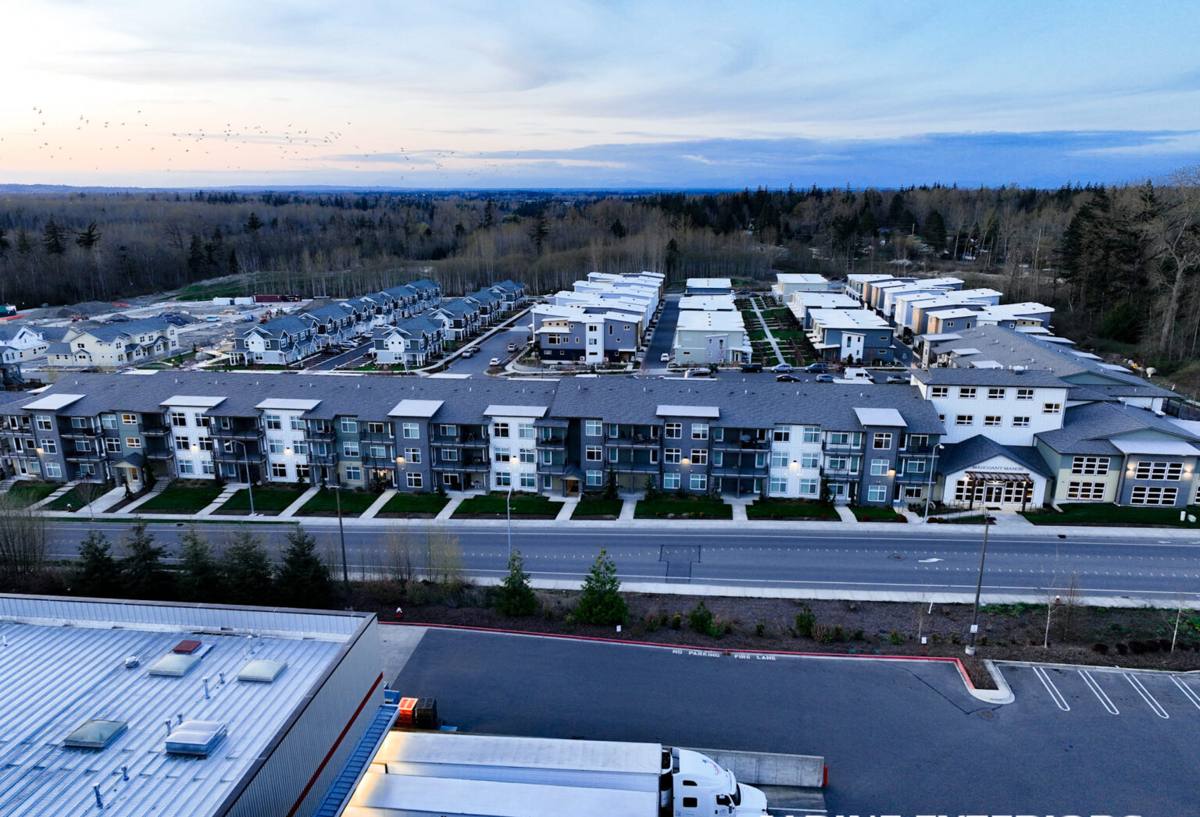
Ship Harbor sits right where Anacortes meets open water — close to the ferry terminal, exposed bluffs, and shoreline that see near-constant marine air moving off the water. That's a different exposure profile than a home tucked a mile or two inland in Skagit County. Wind carries fine salt spray onto exterior walls, driving rain hits siding at an angle instead of running straight down, and shaded, damp lots hold moisture long after a storm has passed. None of that is dramatic on its own, but stacked together year after year, it accelerates wear on siding in ways that show up as cracked caulk lines, soft trim, and stained or bubbling paint well before a similar home further from the water would need attention.
This page is about one thing: repairing siding correctly on Ship Harbor homes, given what this specific stretch of Anacortes actually does to exterior materials. It's not a generic "signs you need siding repair" article — it's what we look for, what we fix, and how we fix it when the job is a few blocks from the water instead of out in the county.
What Salt Air, Rain, and Moss Actually Do to a Wall
Salt Air Attacks Metal First
The most overlooked damage near the water isn't in the siding panels themselves — it's in the fasteners, flashing, and trim screws holding everything together. Ordinary electro-galvanized nails and standard steel trim fasteners corrode faster in a salt-laden marine environment. Once a fastener starts rusting, it can bleed a rust streak down the face of the siding, lose its grip, or eventually shear off, letting a section of trim or siding work loose. A repair that reuses the wrong fastener type just resets the clock on the same failure.
Driving Rain Finds the Gaps
Wind off the water doesn't just add volume to a rainstorm — it changes the angle of attack. Water gets pushed sideways and upward into laps, seams, and butt joints that would stay dry in a straight-down rain. Over time this drives moisture behind siding at panel joints, around window and door trim, and at any spot where flashing was skipped or installed short. By the time a homeowner sees a stain or soft spot on the surface, water has usually been getting behind the cladding for a while.
A Long Moss Season Keeps Everything Damp
Skagit County's mild, wet stretch from fall through spring gives moss and algae a long runway, and Ship Harbor's shaded, moisture-holding lots make it worse. Moss on a roof is a maintenance nuisance; moss and algae growing on or behind siding are different — they hold water directly against the wall surface, slow drying time after every rain, and, on materials that aren't dimensionally stable, contribute to swelling and paint failure. A siding repair that doesn't address the moisture source just gives moss a fresh surface to recolonize.
Signs a Ship Harbor Home Needs Siding Repair, Not Just Paint
A lot of siding problems near the water get treated as cosmetic when they're actually early moisture intrusion. Worth checking for:
- Paint that's bubbling, peeling, or alligatoring in patches rather than evenly across a wall — often a sign of moisture trapped underneath
- Rust streaks running down from nail heads, trim screws, or metal flashing
- Soft or spongy spots when you press on siding or trim near the bottom of walls, around windows, or at corner boards
- Visible gaps, cracked caulk, or separated joints at panel seams and trim edges
- Persistent moss or dark algae staining on siding faces, especially on shaded or north-facing walls
- Warping, buckling, or panels that no longer sit flat against the wall
- A musty smell or visible staining on interior walls that share an exterior wall with damaged siding
Any one of these on its own might be minor. Two or three together, especially on the side of the house facing prevailing wind and weather, usually mean water has been getting behind the siding for longer than it looks.
What a Correct Repair Actually Involves
Finding the Water Path Before Touching the Siding
The most common mistake in siding repair — anywhere, not just Ship Harbor — is replacing the damaged piece without figuring out how water got behind it in the first place. If a section is soft or stained, we pull it back far enough to see the sheathing, house wrap, and flashing underneath. Sometimes the siding itself is fine and the actual failure is a missing kick-out flashing, a window that was never properly flashed, or a caulk joint that was doing a job flashing should have been doing. Replacing siding over an unresolved water path just buys a few more years before the same spot fails again.
Matching Material and Finish
On homes already sided in James Hardie fiber cement, repairs are straightforward to match — the plank profile, exposure, and ColorPlus factory finish are consistent products with a known color line, so a repaired section can blend in rather than standing out as an obvious patch. On homes with older wood, vinyl, or other composite sidings, matching is harder: discontinued profiles, faded factory color, and material that's already reached the end of its practical life often mean a "repair" is really a stopgap. Part of an honest repair estimate is telling a homeowner when that's the case instead of billing for a patch that won't hold or won't match.
Fasteners and Flashing Built for This Exposure
Given the marine air, we use corrosion-resistant fasteners on Ship Harbor repair work rather than standard-grade nails, and we correct flashing details as part of the repair rather than caulking over them. Caulk is a maintenance item, not a waterproofing strategy — it fails faster in a wind-driven-rain environment than most people expect, and a repair that leans on caulk instead of proper flashing is a repair that will be back on our schedule in a couple of years.
How Different Siding Materials Hold Up in This Environment
We only install and repair James Hardie fiber cement, but a lot of Ship Harbor homes we're called to were originally sided in something else. Here's how the materials we commonly encounter actually behave in salt air, wind-driven rain, and a long moss season:
| Material | Behavior in Salt Air & Moisture | Repair Pattern We Typically See |
|---|---|---|
| James Hardie fiber cement | Non-combustible, dimensionally stable, doesn't swell or rot from moisture exposure; factory finish resists fading | Isolated impact damage or flashing-related repairs; material itself holds up |
| Cedar / primed wood | Absorbs moisture readily; repeated wet-dry cycling near the water accelerates rot, especially at end grain and joints | Rot at bottom courses, corners, and trim; recurring paint failure |
| Vinyl siding | Doesn't rot, but becomes brittle with UV and temperature swings; wind can work panels loose over time | Cracked or loosened panels, warping near heat sources, and water intrusion behind unnoticed since the surface hides it |
| LP SmartSide / engineered wood strand | Performs well when the finish stays intact, but any breach at cut edges or fastener holes lets moisture into the wood strand core | Swelling at edges and seams, especially where caulk maintenance has lapsed |
This is why our repair recommendations sometimes come with a bigger conversation than the homeowner expected. If a wall is sided in a moisture-sensitive material and it's already showing swelling or rot in a marine-exposed area like Ship Harbor, a patch repair is often a short-term fix on a material that's fighting its environment. That's a fair thing for a homeowner to know before spending money on it.
Repair or Replace: How We Actually Decide
Not every problem calls for a full re-side, and not every problem should be patched. The honest answer depends on how much of the wall is affected, what the underlying material is, and what's happening behind the siding.
| Factor | Repair Usually Makes Sense | Replacement Usually Makes Sense |
|---|---|---|
| Extent of damage | Isolated to one or two sections or elevations | Recurring across multiple walls or the whole exposure facing the water |
| Underlying material | James Hardie or another material still structurally sound | Wood rot, swelling, or fastener failure has spread through the assembly |
| Cause | A single identifiable flashing or caulk failure | Systemic under-flashing, missing weather barrier, or original installation errors |
| Age of siding | Well within its expected service life | Already at or past the point where the material itself is failing, not just a detail |
We'll tell you plainly which category your situation falls into. A repair that's likely to need another repair in two years isn't a good use of anyone's money, and we'd rather say that up front than let a homeowner find out the hard way.
Why We Only Repair and Replace With James Hardie Fiber Cement
We don't install vinyl, LP SmartSide, or primed wood siding, and that standard applies to repair work too — when a repair section needs new material, we use James Hardie fiber cement, even on a home originally sided in something else, if the homeowner is open to it. In an environment like Ship Harbor, the reasons are practical rather than sentimental: fiber cement doesn't absorb water the way wood-based products do, it doesn't get brittle and crack the way vinyl can under sun and temperature swings, and it's non-combustible. James Hardie's ColorPlus factory finish also holds color longer under UV and salt exposure than field-applied paint, which matters on a coastline where repainting cycles are already shorter than they'd be inland. It's backed by a long, transferable manufacturer warranty, which is worth more on a house that's going to keep taking weather like this for decades.
That doesn't mean we tell every homeowner to rip off working vinyl or wood siding. If a repair can be done honestly and the rest of the siding has real life left, we'll say so. But when a section needs full replacement, or when a homeowner is deciding what to reside with, Hardie is what we recommend and what we install — because it's what we've seen actually hold up in this specific climate.
Our Process for a Ship Harbor Siding Repair
- On-site inspection. We look at the damaged area and the surrounding wall assembly, not just the visible spot, including flashing at windows, doors, and any wall penetrations nearby.
- Diagnosis, in writing. We tell you what's actually causing the damage — material failure, flashing gap, fastener corrosion, or a combination — before we talk about fixing it.
- Straight repair-vs-replace recommendation. Based on what we find, not on which option is more profitable for us.
- Correct materials for this exposure. Corrosion-resistant fasteners, proper flashing details, and James Hardie fiber cement where new material is needed.
- Finish that matches. Where possible, a repair that blends into the existing wall instead of looking like a patch.
We also flag anything else we notice while we're up close to the wall — a gutter dumping water against siding, a downspout that's disconnected, vegetation holding moisture against a wall — because those are often the actual root cause, and fixing the siding without addressing them just delays the next repair call.
Why Local Experience in Ship Harbor Specifically Matters
A contractor who mostly works drier, inland parts of Skagit County can still do competent siding work, but they may not default to marine-grade fasteners, may under-flash a detail that would be fine further from the water, or may not recognize moss and algae staining as an early moisture warning sign rather than a cleaning issue. A crew that regularly works Ship Harbor and similar waterfront-exposed parts of Anacortes has already seen which details fail first in this environment and builds repairs assuming that exposure from the start, instead of learning it on your house.
That local pattern recognition also speeds up the estimate itself — knowing what tends to be happening behind a stained wall in this neighborhood means less guesswork and a more accurate first look at what the repair will actually involve.
Keeping a Repaired Wall From Failing Again
A correct repair should buy years, not months, but Ship Harbor's climate means siding here benefits from a bit more attention than a home further inland:
- Rinse moss and algae off siding faces periodically rather than letting it build up, especially on shaded or north-facing walls
- Keep gutters and downspouts clear and directed away from the foundation and walls
- Trim back vegetation that's holding shade and moisture against siding
- Recaulk trim joints on schedule rather than waiting for a visible gap
- Have any new staining, soft spots, or paint failure looked at early — it's cheaper to fix a flashing detail than to repair rot that had months to spread
If you're seeing early signs of trouble, or you already know a section of your Ship Harbor home's siding needs attention, we're happy to take a look and give you a straight answer on what's going on and what it'll take to fix it right. The estimate is free, and there's no pressure to move forward — just a clear picture of what your siding needs.