 Anacortes Siding
 Storm Damage Roof Repair on Guemes Island: What's Different Here
A roof on Guemes Island earns its keep. Sitting out in the Salish Sea with open water on multiple sides, homes here take a steadier beating from wind, salt spray, and rain than most inland Skagit County properties. When a windstorm rolls through and rips loose a section of shingles or drives a fir branch through the roof deck, the repair needs to account for all of that — not just patch the hole and move on. We've spent years working roofs on the island and know that a fix done without the local conditions in mind usually fails again within a season or two.
This page covers what storm damage repair actually looks like for Guemes Island homes: what the climate does to roofing materials out here, what a correct repair involves, and how we handle the logistics of getting a crew and materials onto the island quickly after a storm.
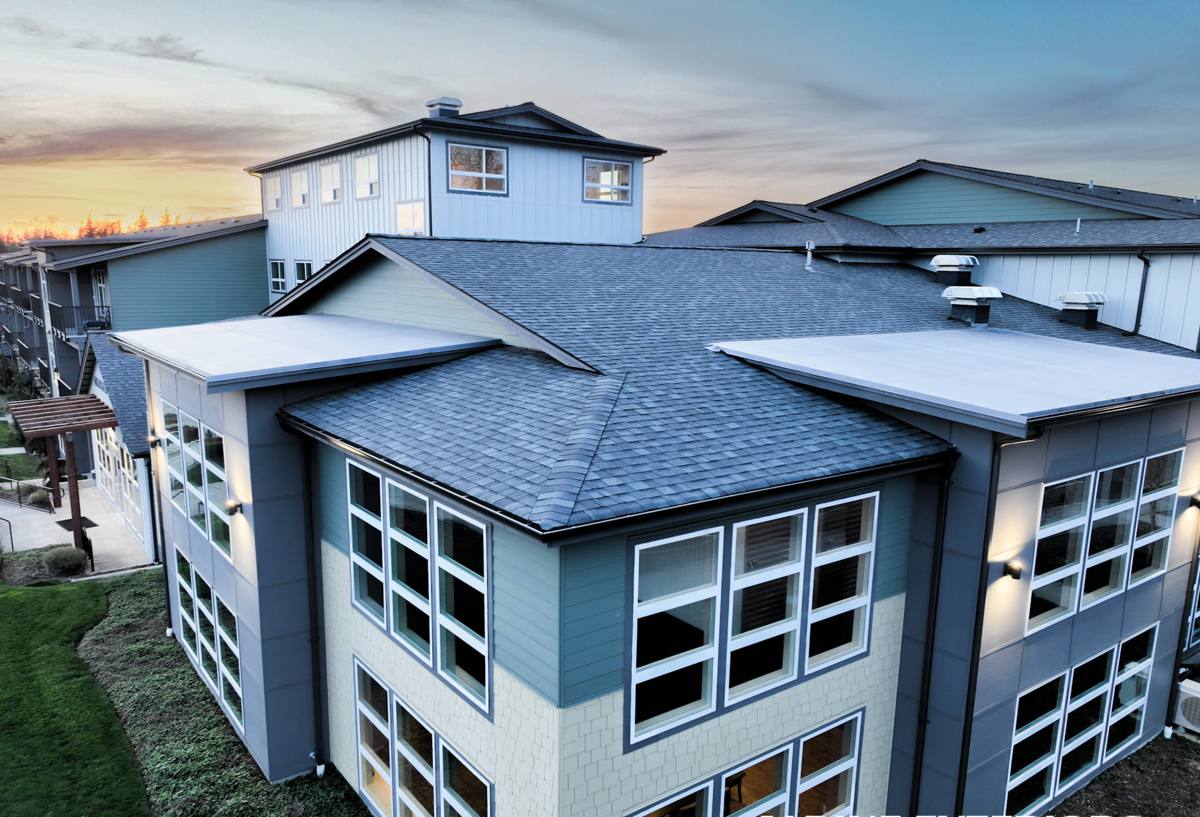
Why Guemes Island Roofs Take a Harder Hit
Salt Air and Corrosion
Being surrounded by saltwater means every metal component on your roof — nails, flashing, drip edge, gutter fasteners — is exposed to salt-laden air constantly, not just during a storm. Salt accelerates corrosion on standard galvanized fasteners and flashing far faster than it would a few miles inland. A roof that looks intact after a storm can still have compromised fasteners or flashing seams that were already weakened before the wind ever hit, which is why storms tend to expose damage that's actually been building for years.
Wind Off the Water
With no windbreak in many directions, wind gusts off the water can hit roof edges and ridgelines with more force and more consistency than a sheltered, tree-lined lot would see. Shingle tabs, ridge caps, and hip caps take the brunt of it, since wind uplift concentrates at edges and transitions. A roof installed with proper edge sealing and correct nailing pattern handles this far better than one where those details were rushed.
Moss, Shade, and Standing Moisture
Guemes Island's tree cover and the Pacific Northwest's long, damp season give moss everything it needs. Moss holds moisture against the roof surface, works its way under shingle edges, and lifts them just enough for wind and driving rain to get underneath during the next storm. A lot of what looks like sudden storm damage is really moss-related deterioration that a storm finally pushed past the breaking point.
Common Storm Damage We See on the Island
Not all storm damage looks the same, and not all of it needs the same urgency. Here's how we typically categorize what we find on post-storm inspections:
| Damage Type | Typical Cause | How Urgent |
|---|---|---|
| Missing or lifted shingles | Wind uplift at edges/ridges, weakened sealant strips | High — exposed underlayment fails fast in driving rain |
| Flashing separation | Wind flex, corroded fasteners, thermal movement over time | High — flashing failures leak even in light rain |
| Branch or debris punctures | Falling limbs from wind-stressed fir and cedar trees | Urgent — direct opening into the roof deck |
| Granule loss / bruising | Wind-driven hail or debris impact | Moderate — weakens shingles without immediate leak |
| Moss-lifted shingle edges | Long-term moss growth finally breached by wind/rain | Moderate to high depending on how far it's spread |
| Gutter and fascia damage | Wind load, debris impact, ice buildup in cold snaps | Moderate — affects water diversion, not always immediate leak |
The mistake we see most often is a homeowner (or a crew rushing a repair) fixing the visible damage — say, a torn-off section of shingles — without checking the flashing, decking, and surrounding shingle courses for related wear. Storm damage rarely stays contained to the one spot you can see from the ground.
What a Correct Storm Damage Repair Actually Involves
A repair that holds up through the next storm season involves more steps than most people expect. Here's what we check and do on every storm damage call, whether the fix ends up being small or extensive:
- Emergency tarping or temporary sealing if the deck is exposed, to stop water intrusion before the real repair starts
- Full inspection of the surrounding roof area, not just the visibly damaged section
- Check of decking underneath the damage for rot, soft spots, or water staining from a leak that predates the storm
- Inspection of flashing at chimneys, vents, skylights, and valleys near the damaged area
- Matching replacement shingles as closely as possible in style, color, and weight to the existing roof
- Correct nailing pattern and placement — not just enough nails, but the right pattern for wind resistance
- Re-sealing or replacing any compromised flashing rather than caulking over it
- Checking attic ventilation and insulation near the repair area if there's been any water intrusion
- A clear explanation of what was found and what was fixed, in plain language, before we call the job done
Skipping any of these steps is how a "repair" turns into a callback six months later. We'd rather take the extra half hour on the inspection than have a homeowner dealing with a ceiling stain after the next windstorm.
The Ferry Factor: Scheduling Repairs the Right Way
Working on Guemes Island means working around the ferry. That's just a fact of doing business out here, and it affects how storm damage repair gets handled compared to a job on the Anacortes mainland. Materials, tools, and crew all have to be planned around ferry timing, which means we load out fully prepared rather than making a return trip for something we forgot. For emergency tarping after a storm, we prioritize getting out to the island quickly and make sure we're bringing everything needed to fully secure the roof in one trip — because a second trip means more exposure time for your home in the meantime.
This is also why hiring a crew unfamiliar with island logistics can slow things down right when speed matters most. A contractor coming from further away, without a routine for ferry scheduling, may lose half a day just working out logistics that a crew already familiar with the island has down to a routine.
Our Process, Start to Finish
- Call and initial assessment. We ask about what you're seeing — active leaks, missing materials, visible debris — to gauge urgency before we come out.
- On-site inspection. We walk the roof (weather permitting) and check the attic from inside if there's any sign of water intrusion.
- Emergency stabilization. If the deck is exposed, we tarp or seal it the same visit to stop further damage.
- Written scope and estimate. You get a clear breakdown of what's damaged, what needs fixing, and roughly what it will cost — no vague verbal quotes.
- Scheduled repair. We plan the work around ferry timing and weather windows so the job gets done in as few trips as possible.
- Final walkthrough. We show you what was repaired and flag anything worth keeping an eye on going forward.
Working With Your Insurance Company
Most storm damage claims on Guemes Island go smoother when the documentation is thorough from the start. We take photos of the damage before any repair work begins, note the likely cause (wind, falling limb, etc.), and provide a written estimate that itemizes materials and labor separately — the kind of documentation adjusters generally want to see. We're not a public adjuster and won't speak for your insurer, but we'll give you an honest, detailed account of what we found so you're not guessing what to tell them.
One thing worth knowing: insurance often distinguishes between sudden storm damage and gradual wear (like long-term moss damage), and adjusters look closely at that distinction. Being upfront with you about which category your damage likely falls into — rather than telling you what you want to hear — is part of doing this job honestly.
Repair or Replace? How We Decide
Not every storm-damaged roof needs full replacement, and not every roof is worth patching. Here's roughly how we weigh it:
| Factor | Leans Toward Repair | Leans Toward Replacement |
|---|---|---|
| Roof age | Under 10-12 years, otherwise sound | Nearing or past expected lifespan for its material |
| Extent of damage | Isolated to one section or slope | Spread across multiple slopes or widespread moss/wear |
| Decking condition | Solid, no rot found under damaged area | Soft spots or rot found during inspection |
| Shingle match availability | Close match available for a clean patch | Discontinued style leaves visible mismatch |
| History of repeat leaks | First issue in that area | Recurring problem in the same spot over multiple storms |
We'll always tell you honestly which side of that table your roof falls on. A patch that buys you several more good years is the right call plenty of the time — we're not in the business of selling replacements a roof doesn't need.
Why It Matters to Hire a Crew That Already Works Guemes Island
Storm damage repair isn't just about roofing skill in the abstract — it's about knowing how salt air treats fasteners, how wind behaves at an exposed shoreline lot, how moss builds up under the specific tree cover common out here, and how to get a crew and materials onto the island efficiently when a homeowner needs the roof secured fast. A contractor who's worked Guemes Island roofs before has already seen what fails first and why, which means less guessing and a repair built for the conditions your home actually faces, not generic textbook conditions.
If you're dealing with storm damage on your Guemes Island roof, or you just want an honest look at a roof that's been through a rough winter, we're happy to come take a look. Reach out for a free, no-pressure estimate using the form below — we'll tell you straight what we find and what it would take to fix it right.