 Anacortes Siding
 Siding Replacement Built for Mount Vernon's Climate
Mount Vernon sits in the Skagit Valley just inland from Fidalgo Bay and the Salish Sea, which means homes here deal with a mix of coastal moisture and valley humidity that most siding products simply weren't built to handle over the long term. Salt-laden air moving up the valley, long stretches of driving rain off the water, and a moss and algae season that can run eight months out of the year all put steady pressure on a home's exterior. When siding fails in this area, it's rarely one dramatic event — it's slow moisture intrusion, swelling at the seams, paint that won't hold, or trim that softens from the bottom up.
A siding replacement here isn't just a cosmetic upgrade. It's a chance to correct whatever let moisture in the first place and put a material on the wall that's actually engineered for this kind of exposure. That's the lens we bring to every Mount Vernon project.
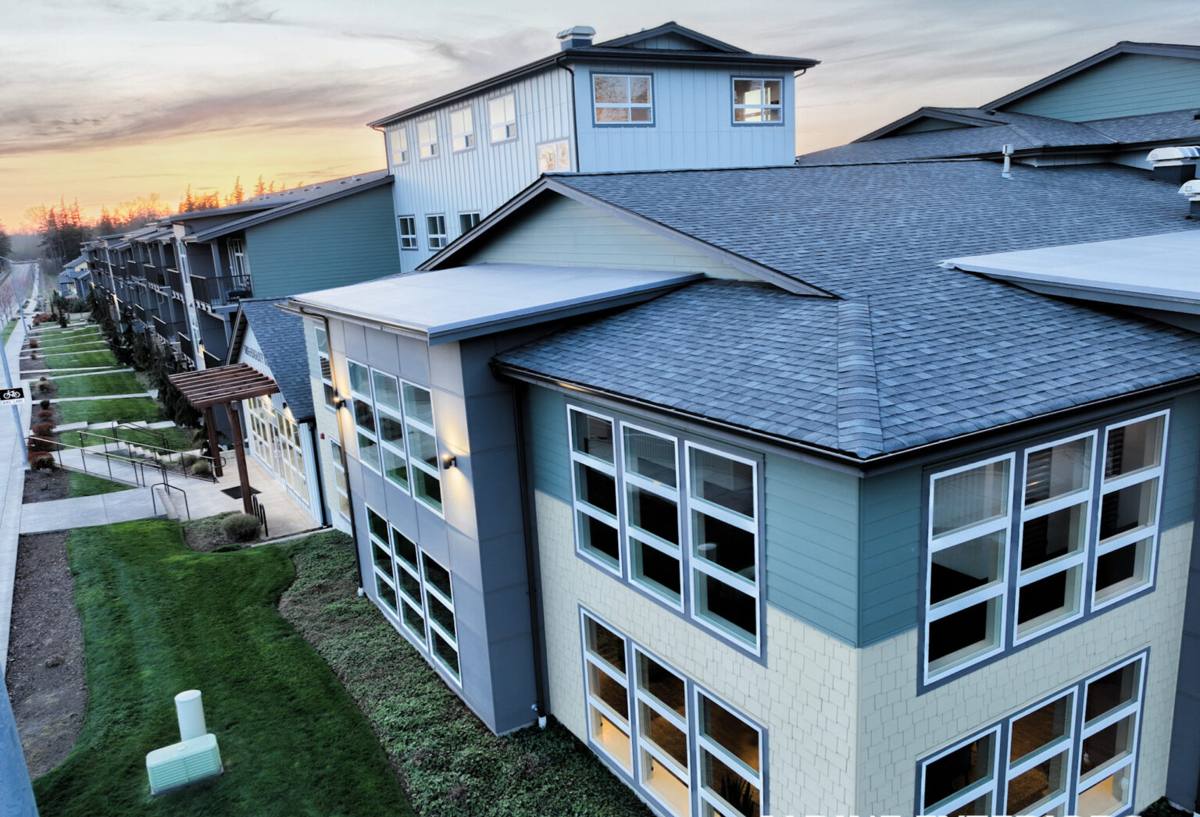
What Local Homes Are Up Against
Salt Air and Coastal Humidity
Even though Mount Vernon isn't directly on the water, prevailing winds carry salt-laden moisture inland from the bay and the Sound. Salt air accelerates corrosion on fasteners, flashing, and any metal trim components, and it keeps humidity levels elevated around the home's exterior even on days without rain. Siding materials that absorb moisture — or that rely on paint film alone to stay sealed — lose that battle gradually, year after year.
Driving Rain
Skagit County storms often come with wind, which pushes rain sideways into wall assemblies rather than letting it run straight down and off. That means lap joints, butt seams, and penetrations around windows and doors take more direct water pressure than they would in a calmer climate. Correct flashing detail and properly sealed seams matter more here than in a drier inland region.
Moss and Algae Season
Shaded north-facing walls, tree-lined lots, and the valley's overall dampness create ideal conditions for moss and algae growth on siding, trim, and roof lines. Porous or textured siding surfaces give moss more to grip onto, and once it's established it holds moisture directly against the material — which is exactly the opposite of what you want from an exterior wall.
Signs Your Mount Vernon Home Needs Siding Replacement
- Soft or spongy spots when you press on siding, especially near the bottom courses and around windows
- Paint that's peeling, bubbling, or needs repainting far more often than it used to
- Visible gaps, warping, or buckling at seams and panel joints
- Persistent moss or algae staining that comes back within a season of cleaning
- Rising interior humidity, musty smells near exterior walls, or unexplained mold near trim
- Siding that's original to a home built more than 20-25 years ago, particularly if it's wood-based composite or older vinyl
What a Correct Siding Replacement Involves
Replacing siding correctly is as much about what's underneath as what's on top. We treat every Mount Vernon project as a full building envelope job, not just a material swap.
Tear-Off and Inspection
Once old siding comes off, we inspect the sheathing, framing, and any existing water barrier for rot, soft spots, or prior water damage. This is often where hidden problems from years of moisture intrusion actually get found and fixed — something a simple re-side or overlay would never catch.
Weather Barrier and Flashing
A weather-resistant barrier and correctly lapped, sealed flashing around every window, door, and penetration is what actually keeps water out — the siding itself is the second line of defense, not the first. Given how much wind-driven rain this area sees, we don't shortcut this step.
Material Installation
We install to the manufacturer's specified nail pattern, gap allowances, and clearances from grade, decking, and roof lines. Those clearances matter more here because they control how much splash-back moisture and standing moisture the bottom of the siding is exposed to.
Trim, Caulking, and Finish Details
Corner boards, trim, and caulked joints are finished to shed water outward, not trap it. Poor detailing at these transition points is one of the most common causes of early siding failure we see on older homes in the valley.
Why We Install Only James Hardie Fiber Cement
We standardized on James Hardie fiber cement siding for every home we side, including here in Mount Vernon, and we don't install vinyl, LP SmartSide, primed spruce, cedar, or other fiber cement brands. That's a deliberate professional standard, not a sales pitch, and it comes down to how these materials actually perform against salt air, driving rain, and sustained moisture.
Fiber cement is non-combustible and dimensionally stable — it doesn't expand and contract with humidity swings the way wood-based products do, and it doesn't soften or delaminate when it takes on repeated wetting. Hardie's ColorPlus factory finish is baked on under controlled conditions rather than field-painted, which gives it far better adhesion and UV resistance than a job-site paint job, and it holds color longer in a climate that's hard on painted surfaces. Hardie also engineers specific product lines (their HZ5 line, for example) for regions with higher moisture exposure, which is directly relevant to a valley climate like this one.
We're not going to tell you every other product is worthless — vinyl is inexpensive and low-maintenance in the right climate, and cedar has a genuine appeal for homeowners who want a natural look and are willing to keep up with it. But in a market with this much sustained moisture, salt air, and moss pressure, we've seen too many of those products fail early or demand upkeep most homeowners don't want to keep up with. Fiber cement, installed correctly, holds up to that pressure with far less maintenance over the life of the siding, and it comes backed by a strong transferable warranty that reflects the manufacturer's confidence in it.
How Siding Materials Compare in This Climate
| Material | Moisture Resistance Here | Maintenance Burden | Typical Lifespan |
|---|---|---|---|
| James Hardie Fiber Cement | High — engineered for wet, coastal-influenced climates | Low — factory finish, periodic washing | 30-50+ years with correct install |
| Vinyl | Moderate — doesn't rot but seams and warping are a concern | Low, but limited repair options if damaged | 20-30 years |
| Cedar | Low-moderate — attractive but absorbs moisture, moss-prone | High — regular sealing, staining, moss treatment | 15-25 years with diligent upkeep |
| Primed Wood Composite | Low — vulnerable to swelling and edge rot | Moderate-high — repainting, sealing seams | 10-20 years, often less near water |
Cost Factors for a Mount Vernon Siding Project
Every home is different, but a few factors consistently drive the cost of a siding replacement in this area:
- Home size and wall complexity — more corners, gables, and dormers mean more cutting, trim work, and labor time
- Condition of the sheathing underneath — hidden rot or water damage found during tear-off adds repair scope
- Siding profile and trim package — lap width, shingle-style accents, and trim detail level all affect material and labor cost
- Access and site conditions — tree cover, tight lot lines, and staging space can affect labor efficiency
- Existing moisture or moss damage — remediation of moss-affected sheathing or trim adds to the scope
We won't quote a number without seeing the home, but we'll walk you through exactly what's driving your estimate so there are no surprises once work starts.
Why Hiring a Crew That Already Works Mount Vernon Matters
Siding performance in Skagit County isn't the same as siding performance in a dry inland climate, and a crew that mainly works elsewhere may not account for the flashing details, clearances, and moisture management this area actually demands. A contractor who regularly works Mount Vernon and the surrounding Anacortes area understands how salt air, driving rain, and moss pressure interact with a wall assembly here specifically — and installs accordingly, rather than defaulting to a generic install spec.
Local experience also means faster, more accurate estimates, familiarity with the permitting and inspection process in Skagit County, and a crew that's not learning the region's quirks on your project.
Ready to Talk About Your Siding?
If your Mount Vernon home is showing signs of aging siding, or you'd simply rather replace it proactively before moisture damage sets in, we're happy to take a look and walk you through your options. Reach out for a free, no-pressure estimate using the form below — there's no obligation, just an honest assessment of what your home needs.