 Anacortes Siding
 Why La Conner Siding Takes More Punishment Than People Expect
La Conner sits right where the Swinomish Channel meets Skagit Bay, and that location shapes everything about how siding ages here. Homes close to the water take on a steady dose of salt-laden air, which is far more corrosive to building materials than inland moisture alone. Add in the driving rain that comes through with winter storms off the Sound, and you've got wind-driven water finding every seam, lap, and fastener point on a wall. Then there's the long moss season — Skagit County's mild, wet winters give algae and moss months to colonize any siding surface that stays damp and shaded, which describes a lot of north-facing walls and tree-covered lots around La Conner.
None of this is unique to one house. It's a pattern we see across the town's mix of waterfront cottages, older farmhouses set back from the channel, and newer builds on the surrounding flats. Siding that isn't engineered for this combination of salt, rain, and shade-driven moss growth simply doesn't last as long here as the same product would in a drier part of the state.
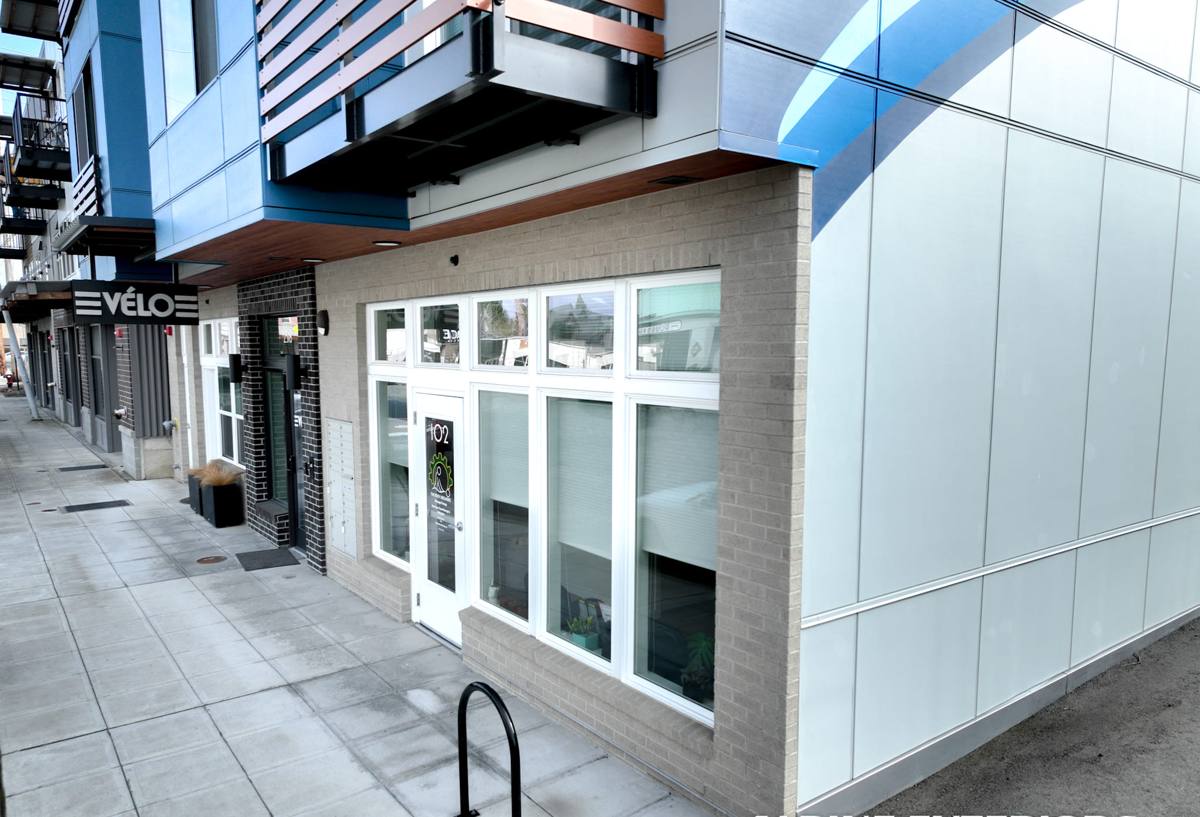
What La Conner Homes Actually Need From Their Siding
Moisture Management, Not Just Moisture Resistance
A lot of siding products claim to resist water. Fewer are actually engineered to manage what happens when water inevitably gets behind or onto the surface — because in La Conner, it will. That means the material itself needs to be dimensionally stable when wet, resistant to rot, and paired with a drainage plane and flashing details that actually move water back out instead of trapping it.
Salt-Air Tolerance
Salt air accelerates corrosion of fasteners and metal flashing, and it degrades some paint and coating systems faster than a standard inland environment would. Siding within a mile or two of the channel or bay needs a factory finish and fastening approach that's been tested for coastal exposure, not just general Pacific Northwest weather.
A Surface That Doesn't Feed Moss and Algae
Moss and algae need a food source as much as they need moisture. Untreated wood-based products and some fiber-cement competitors are more hospitable to organic growth than a dense, factory-finished fiber cement panel. The surface chemistry and finish matter as much as the substrate.
Why We Only Install James Hardie Fiber Cement
We don't install vinyl, LP SmartSide, primed spruce, cedar, or other fiber cement brands like Allura or Cemplank — not because those products can't perform anywhere, but because we've standardized on one system we can stand behind on every job in this climate. James Hardie fiber cement is non-combustible, dimensionally stable when saturated, and available in HZ product lines specifically engineered for different climate zones, including the wet, temperate exposure Skagit County gets. The ColorPlus factory finish is baked on under controlled conditions, which gives it more consistent coverage and better long-term color retention against sun and salt exposure than field-applied paint typically achieves.
That combination — a substrate that doesn't rot, swell, or feed moss, plus a finish system built for exactly this kind of weather, backed by a strong transferable warranty — is why Hardie is the only product we put on La Conner homes. We'd rather install one system correctly and stand behind it for decades than offer a menu of products with different trade-offs and hope the client picked the right one.
What a Correct Siding Replacement Job Involves
Siding replacement isn't just removing old panels and nailing up new ones. In a climate like this, the work that happens before and during installation matters as much as the siding itself.
Tear-Off and Sheathing Inspection
Once the old siding comes off, we inspect the sheathing underneath for rot, soft spots, or prior water damage — common on older La Conner homes where moisture has been getting behind siding for years without anyone knowing. Any compromised sheathing gets replaced before anything new goes up; covering damaged sheathing with new siding just hides a problem that will keep growing.
Weather-Resistive Barrier and Flashing
A proper water-resistive barrier goes over the sheathing, with flashing integrated at every window, door, and penetration so water is directed out and away rather than trapped behind the cladding. This is the layer that does the real moisture management work, and it's also the layer that gets skipped or rushed on lower-quality jobs because it's invisible once the siding is up.
Correct Fastening and Clearances
James Hardie has specific fastening patterns, gaps, and clearance requirements — including keeping siding a proper distance off decks, grade, and roof lines — that are there specifically to prevent moisture wicking and trapped water. Installing Hardie "close enough" to spec is one of the most common ways a good product underperforms.
Trim, Caulking, and Finish Details
Corner boards, trim, and caulking at joints all need to be done with materials and methods that match the siding's expected lifespan. A 30-plus-year siding system paired with cheap trim or the wrong sealant creates a weak point that fails years before the siding itself would.
Our Process for La Conner Projects
- On-site assessment — we look at sun/shade exposure, proximity to water, existing moisture damage, and the condition of trim, windows, and flashing.
- Scope and product selection — we recommend the specific James Hardie plank profile and HZ variant suited to the home's exposure, and outline what tear-off will likely reveal.
- Tear-off and sheathing repair — old siding removed, sheathing inspected and repaired as needed before anything new is installed.
- Weather barrier and flashing installation — the invisible layer that determines how the wall performs for the next 30 years.
- Hardie installation to manufacturer spec — correct fastening, clearances, and joint treatment.
- Final trim, caulking, and walkthrough — finish details completed and reviewed with the homeowner before we consider the job done.
Why a Crew That Already Works La Conner Matters
Siding installation is the same trade everywhere, but the judgment calls change with the site. A crew that's worked waterfront and near-waterfront properties around La Conner already knows to expect more moisture behind old siding on shaded walls, to plan around tidal-flat humidity when scheduling weather-sensitive steps like sealant application, and to pay closer attention to fastener and flashing corrosion resistance given the salt exposure. That local pattern recognition doesn't replace following manufacturer spec — it means we know where to look harder before we ever get to the spec sheet.
Cost Factors for Siding Replacement in La Conner
Every home is different, but the factors that most often move the price on a La Conner siding replacement are consistent enough to lay out plainly:
| Factor | Why It Matters Here |
|---|---|
| Sheathing condition | Homes with hidden moisture damage from old siding need sheathing repair before new siding goes on |
| Proximity to water | Waterfront and near-channel homes often need additional flashing and corrosion-resistant fastening detail |
| Home age and trim complexity | Older La Conner homes often have more trim, corner, and window detail than newer builds |
| Existing moss/algae damage | Heavier growth can indicate longer-term moisture exposure that needs addressing, not just cleaning |
| Shade and tree cover | Lots with heavy tree cover hold moisture longer, which affects both current damage and future maintenance needs |
| Square footage and wall complexity | More corners, dormers, and roof lines mean more cutting, flashing, and labor time |
Signs Your La Conner Home May Need Siding Replacement Soon
- Persistent moss or algae staining that returns quickly after cleaning
- Soft spots, bubbling, or visible warping, especially on shaded or water-facing walls
- Paint that's failing faster than it should, or chalking heavily within a few years of a repaint
- Visible gaps, cracking, or separation at seams and corners
- Musty smells or interior moisture signs on exterior-facing walls
- Siding installed more than 20-25 years ago, especially wood-based products
Maintaining James Hardie Siding in a Moss-Prone Climate
Even the right product benefits from basic upkeep in a climate like this. Periodic gentle washing (not high-pressure blasting, which can damage joints and finish) keeps moss and algae from establishing. Keeping gutters clear and vegetation trimmed back from walls reduces the shaded, damp conditions moss needs to take hold. Because ColorPlus finish is factory-applied and consistent, touch-ups are simpler and less noticeable than trying to match field-applied paint on other siding types — one more reason the maintenance burden stays manageable year after year in Skagit County's wet winters.
If you're weighing a siding replacement for a La Conner home, we're happy to walk the property, look at what your current siding and sheathing are telling us, and put together a straightforward, no-pressure estimate. There's a quick form below to get started.