 Anacortes Siding
 Deck Repair Built for La Conner's Waterfront Climate
La Conner sits right on the Swinomish Channel, and that location shapes everything about how a deck ages here. Salt-laden air off the water accelerates corrosion in fasteners and hardware. Frequent driving rain off Puget Sound keeps wood surfaces wet for long stretches, and the shoulder seasons bring a moss and algae bloom that can turn a deck surface slick and hold moisture against the boards for weeks at a time. None of this means a deck can't last — it means repairs have to account for conditions that a drier, inland town simply doesn't deal with.
We work on decks throughout La Conner and the surrounding Skagit County waterfront, and the repair calls we get here follow a pattern: fastener corrosion, ledger board rot where the deck meets the house, and surface decay from standing moisture and moss. Understanding that pattern is what separates a repair that lasts from one that fails again in two winters.
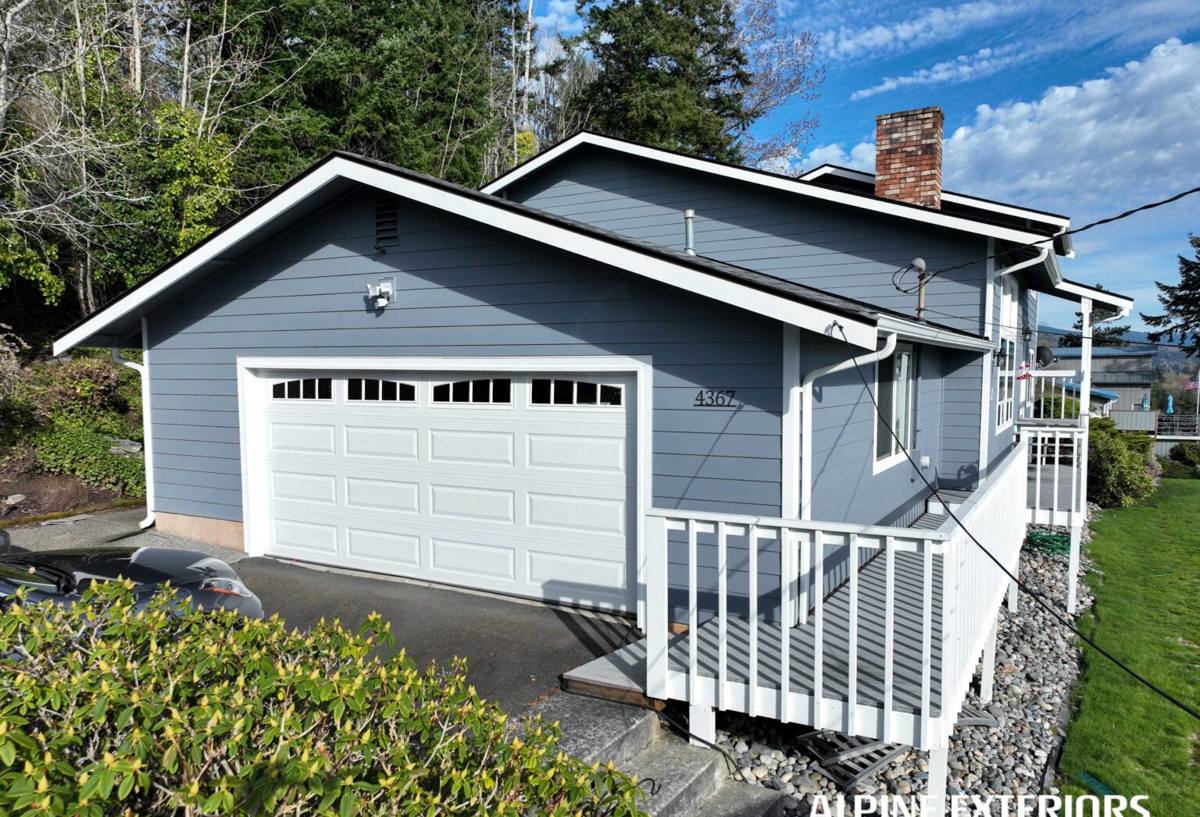
Why Decks Fail Faster Near the Water
Salt Air and Metal Hardware
Every deck depends on metal — joist hangers, structural screws, bolts, flashing — to hold the frame together. Standard galvanized hardware corrodes noticeably faster in a marine air environment than it does even a few miles inland. Once corrosion starts on a joist hanger or ledger bolt, it's not just cosmetic; it's a loss of load-carrying capacity in exactly the connections that keep a deck attached to the house and standing under weight.
Moss, Algae, and Trapped Moisture
Skagit County's long wet season gives moss and algae plenty of time to establish on deck boards, especially in shaded areas or spots that don't get afternoon sun. Moss holds water against the wood surface long after the rain has stopped, which is a direct path to soft, punky boards and rot at board ends and fastener holes. A deck that looks fine from a distance can have real decay underneath a moss mat.
Driving Rain and Ledger Rot
The ledger board — where the deck attaches to the house — is the single most common failure point we find. Wind-driven rain pushes water behind poorly flashed ledgers, and once moisture gets trapped between the ledger and the house rim joist, it rots quietly from the inside. This is a structural issue, not a cosmetic one, and it's often invisible until a board is probed or pulled.
Signs Your La Conner Deck Needs Repair
- Boards that feel spongy, springy, or soft when you walk on them
- Rust streaking below screws, bolts, or joist hangers
- Gaps or separation where the deck meets the house siding
- Railings or posts that wiggle or flex under hand pressure
- Persistent green or black staining that returns after cleaning
- Visible daylight or water stains under the deck at the ledger line
- Stair stringers that feel unstable or show cracking at the cuts
- Fasteners that have backed out or show heavy corrosion
Any one of these on its own might be minor. Several together, especially near the ledger or main support posts, usually means it's time for a real inspection rather than a spot patch.
What a Correct Deck Repair Actually Involves
Start With the Structure, Not the Surface
A lot of deck "repairs" only address what's visible — a stained board gets swapped, a wobbly rail gets an extra screw. We start underneath. That means checking the ledger connection, the condition of joists and beams, post bases, and how water is actually moving across and around the structure. If the frame isn't sound, replacing surface boards is a short-term fix at best.
Match Repair to Cause
Rot at a ledger almost always traces back to a flashing or waterproofing gap, not just "old wood." If we replace rotted ledger material without correcting the water path behind it, the same failure shows up again in a few years. Correct repair means fixing the cause — flashing, drainage, ventilation under the deck — alongside the damaged material itself.
Hardware Upgrades Where It Matters
Given the marine air here, we typically upgrade to corrosion-resistant fasteners and connectors in repair work even if the original build used standard galvanized hardware. It costs a bit more up front and saves you from repeating the same repair once salt air gets to the replacement hardware too.
Our Repair Process
- On-site assessment. We walk the deck, probe suspect boards and the ledger area, and check posts, stairs, and railings for movement or soft spots.
- Honest scope. We tell you what's cosmetic, what's structural, and what can wait — including if it's a full replacement candidate rather than a repair.
- Written estimate. Clear breakdown of what's being repaired and why, no surprise add-ons once work starts.
- Repair work. Rotted or corroded material removed and replaced, flashing and water management corrected at the source, hardware upgraded where the climate calls for it.
- Final check. We confirm the deck is solid underfoot, railings are secure, and water is shedding away from the structure rather than into it.
Repair or Replace? What We Look At
| Condition | Usually Repairable | Often Needs Replacement |
|---|---|---|
| Ledger board | Localized rot at a section, flashing gap corrected | Widespread rot along the full ledger length |
| Deck boards | A handful of soft or stained boards | Most boards soft, cupped, or splitting |
| Support posts | Base rot with sound post above | Rot or checking through the load-bearing section |
| Railings | Loose posts or damaged balusters | System-wide looseness or code-noncompliant spacing |
| Frame (joists/beams) | Isolated joist sistered or replaced | Multiple joists compromised or undersized for span |
The honest answer is usually somewhere in between — a deck can have a sound frame but a worn surface, or vice versa. We'll tell you plainly which category your deck falls into rather than defaulting to the more expensive option.
Materials and Repair Standards
We repair both wood and composite decks. For wood repairs, we use lumber rated for exterior structural use and finish or seal cut ends, since an unsealed cut end is a fast entry point for moisture. For composite decking, repair work focuses on the substructure and connections as much as the board material itself, since composite surfaces hold up well but still depend on a sound, properly flashed frame underneath.
Cost Factors
| Factor | Why It Matters |
|---|---|
| Extent of rot or corrosion found once boards are opened up | Hidden damage behind the visible symptom is common near the ledger |
| Access to the deck's underside | Low clearance or enclosed skirting adds labor time |
| Whether flashing/waterproofing needs correction | Fixing the cause, not just the symptom, adds material and labor but prevents repeat failure |
| Hardware upgrade to corrosion-resistant fasteners | A modest cost increase that pays off in a marine air environment |
| Matching existing board profile or composite color | Older or discontinued materials sometimes require a wider board swap |
Why a Crew That Works La Conner Regularly Makes a Difference
A contractor who mostly works drier, inland areas can miss what's routine for us here: that a ledger looking fine on the surface still needs a hardware and flashing check given the salt air, or that moss returning within a season points to a drainage or sun-exposure issue rather than a cleaning problem. Working regularly in La Conner and the rest of Skagit County means we've seen how decks in this specific environment actually fail, not just how they fail in general, and we build repairs to hold up against driving rain and salt air rather than just looking good on the day we finish.
Maintaining Your Deck Between Repairs
- Clean moss and algae off the surface at least once a year, more often in shaded areas
- Keep gutters and downspouts near the deck clear so runoff doesn't pool against it
- Check the ledger area visually each fall for staining or gaps
- Re-seal or re-stain wood decking on the manufacturer's recommended schedule
- Trim back vegetation that keeps the deck surface shaded and damp
- Test railings and stair stringers by hand periodically, not just visually
None of this replaces a professional inspection, but it slows the clock between repairs and helps you catch small problems before they become structural ones.
If your deck in La Conner is showing soft spots, rust staining, a wobbly rail, or persistent moss you can't get ahead of, we're glad to take a look. Fill out the form below for a free, no-pressure estimate — we'll tell you honestly what needs fixing and what can wait.