 Anacortes Siding
 Windows Built for Old Town Anacortes, Not Just "Energy-Efficient" in General
Old Town Anacortes sits close enough to the water that its homes take a different kind of weathering than houses just a few miles inland. Salt-laden air off Fidalgo Bay and the surrounding channels works on window hardware and frame materials year-round, not just during storms. Add Skagit County's long stretch of wet, gray months and the moss and mildew that come with them, and you get a climate that's genuinely tougher on windows than the marketing on most big-box window displays accounts for. When we talk about "energy-efficient windows" for this neighborhood, we're not just talking about a U-factor sticker — we're talking about a window and installation method that can actually hold up here.
This page focuses on that one service, for that one area: what Old Town Anacortes homes actually need from their windows, what a correct installation involves, and why local experience with this specific microclimate changes the outcome.
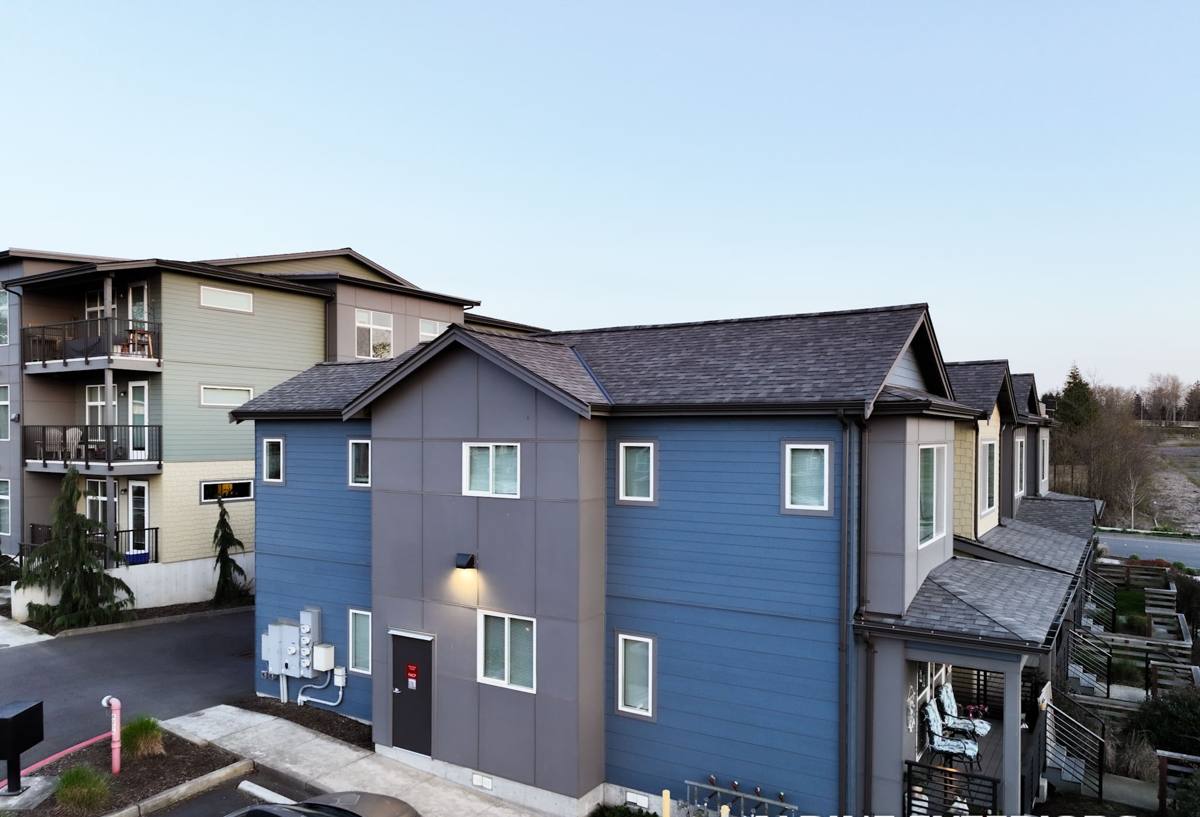
What Salt Air, Driving Rain, and Moss Season Do to Windows Over Time
Every material in a window assembly reacts to this environment differently, and understanding that is the starting point for any real recommendation.
Salt Air and Corrosion
Airborne salt accelerates corrosion on window hardware — hinges, cranks, locks, and especially lower-grade aluminum components. Once corrosion starts on a mechanism, the window stops sealing tightly even if the glass and frame look fine, which quietly kills its energy performance long before it looks "broken."
Driving Rain and Wind-Driven Water
Storms coming off the water don't just fall straight down — wind pushes rain sideways and up under trim, sills, and poorly sealed flanges. A window can be perfectly good and still leak if the flashing and sealant details around it were done wrong. This is a bigger factor in window failures here than most homeowners realize; it's an installation issue as much as a product issue.
Moss, Mildew, and Prolonged Dampness
Anacortes gets a long stretch of low light and near-constant moisture through fall, winter, and spring. On north- and west-facing exposures especially, sills and lower sashes stay damp longer, which invites moss, mildew, and — on older wood windows — slow rot in end grain and joints that never fully dry out between rain events.
Temperature Swings and Condensation
Cold snaps against a warm, humid interior cause condensation on older single-pane glass and poorly insulated frames. Beyond the nuisance, that moisture cycling is what eventually degrades sills, sashes, and the wall framing behind them.
Signs an Old Town Anacortes Home Needs Window Attention
- Visible fogging or moisture trapped between panes on double-pane units — the seal has failed
- Drafts you can feel near the frame even with the window latched shut
- Sashes that stick, won't stay open, or are hard to lock — often hardware corrosion, not just wear
- Soft or spongy wood at the sill or bottom corners of the frame
- Black or green growth on the sill or lower sash that returns after cleaning
- Paint that's peeling or bubbling specifically around the window opening, not the whole wall
- A noticeable jump in heating costs with no other explanation
Any one of these can be minor. Several together usually mean the window and its surrounding seal are past the point where caulk and weatherstripping fix the problem.
What "Energy-Efficient" Actually Means in This Climate
Energy performance for a window is a combination of the glass package, the frame material, and — just as important — how well the unit is sealed into the wall. In Old Town Anacortes, we weight these three things a little differently than a generic guide would:
- Glass package: Double-pane, low-E glass with argon fill is the practical standard for this region — it cuts heat loss and reduces condensation risk without the cost jump of triple-pane, which is rarely necessary in Puget Sound-area winters.
- Frame material: Needs to resist both moisture and salt-air corrosion over decades, not just look good on day one.
- Installation seal: A high-performance window installed with poor flashing will still leak air and water. This is where most "why did my new windows still feel drafty" complaints actually originate.
Frame and Glass Options We Recommend
There's no single "best" window for every house — it depends on the home's age, exposure, and how it's built. Here's an honest comparison of the common options for a coastal Skagit County home:
| Frame Type | How It Handles This Climate | Trade-Offs |
|---|---|---|
| Vinyl | Good moisture and salt resistance, low maintenance, reliable seals | Less design flexibility for historic-style homes; can look plasticky in traditional trim details if not chosen carefully |
| Fiberglass | Excellent dimensional stability, resists warping and corrosion, holds paint well | Higher upfront cost than vinyl |
| Wood (clad exterior) | Matches historic character well when exterior is clad in a weather-resistant material | Requires more upkeep long-term; solid wood exteriors are a poor fit for this much rain and salt air |
| Aluminum | Strong, slim sightlines | Poor insulator and prone to corrosion near the water without marine-grade finishes — we're selective about where we use it |
For most Old Town Anacortes homes, we lean toward vinyl or fiberglass with a low-E, argon-filled double-pane glass package — vinyl when budget and low maintenance are the priority, fiberglass when a home has larger openings or the owner wants a longer service life. Where a home's character calls for a wood-look exterior, we talk through cladding and finish options honestly, including the maintenance commitment that comes with it, rather than promising a low-maintenance wood window that doesn't really exist in this environment.
How We Approach an Installation
The window itself is maybe half the job. The other half is everything around it, and that's where salt air and driving rain punish shortcuts.
1. Assess the Opening
Before ordering anything, we check the rough opening, sill condition, and existing flashing. On older Old Town homes this often reveals moisture damage that needs to be addressed before a new window goes in — installing a good window into a compromised opening just delays the same problem.
2. Repair What's Underneath
Any soft wood, failed sheathing, or missing flashing gets repaired or replaced. This step gets skipped by crews trying to move fast, and it's the single biggest reason "new" windows leak within a few years.
3. Install with Proper Flashing and Sequencing
Water management follows a specific order — sill pan, side flashing, head flashing — so water is always directed out and down, never trapped behind the window. Given how much wind-driven rain this area gets, we don't treat this step as optional trim work.
4. Seal and Insulate the Gap
The gap between the window frame and rough opening gets properly insulated and air-sealed — a source of drafts that's often missed even on otherwise decent installs.
5. Finish and Weatherproof the Exterior
Exterior trim, caulking, and finish work are done to shed water, not just look tidy. This is also a natural point to address any siding or trim around the opening while it's already exposed.
Working With Old Town's Older Housing Stock
A lot of Old Town Anacortes homes predate modern window standards, with original openings, older trim profiles, and in some cases character worth preserving. That changes the job in a few practical ways: openings aren't always standard sizes, existing trim may need careful removal and reuse or matching, and we pay attention to keeping the window style — grid pattern, proportions, trim depth — consistent with the house rather than defaulting to whatever's easiest to order. If a property has any historic designation or is in an area with design expectations, we'll talk through that early, before ordering, not after.
Questions Worth Asking Any Contractor Before You Hire
- Will you inspect and repair the sill and framing before installing, or only if you happen to notice damage?
- What's your flashing sequence, and can you explain it in plain terms?
- Are you insured and, if permits are required for the scope of work, will you pull them?
- What's the warranty on the window itself versus the labor and seal?
- Do you have experience with homes in this specific area, dealing with this specific weather?
- Will the quote in writing specify frame material, glass package, and installation scope — not just "windows"?
A contractor who answers these clearly and specifically is worth more than one offering the lowest number with vague details.
Why Local Experience in Old Town Anacortes Matters
A window installer who mostly works inland doesn't run into salt-air hardware corrosion, wind-driven rain intrusion, or moss-prone north exposures often enough to build real habits around them. Crews who regularly work this part of Skagit County make different default choices — in flashing detail, frame material, and hardware selection — because they've seen what fails here and what doesn't. That's not a sales pitch, it's just what repeated exposure to a specific climate teaches a crew over time.
If your Old Town Anacortes home has drafty, foggy, or hard-to-operate windows, we're glad to take a look and give you a straightforward, no-pressure estimate — what we'd recommend, why, and what it would cost. Use the form below to get started.