 Anacortes Siding
 Window Replacement for Edison Homes
Edison sits low in the Skagit Valley, close to Samish Bay and surrounded by farmland, which means homes here take on a specific kind of weather punishment: salt-laden air blowing in off the water, long stretches of driving rain through fall and winter, and a moss and mildew season that seems to start earlier and last longer every year. Windows are one of the first places that shows up. Old aluminum frames pit and corrode. Wood sashes swell, stick, and eventually rot at the corners. Seals fail and fog sets in between the panes. If your windows are original to a home built decades ago, or even a remodel from the 1990s, there's a good chance they're no longer doing the job they were built for.
This page covers window replacement specifically for Edison and the immediate surrounding area — what the local climate actually does to windows, what a correct installation involves, and how our process works from first look to final walkthrough.
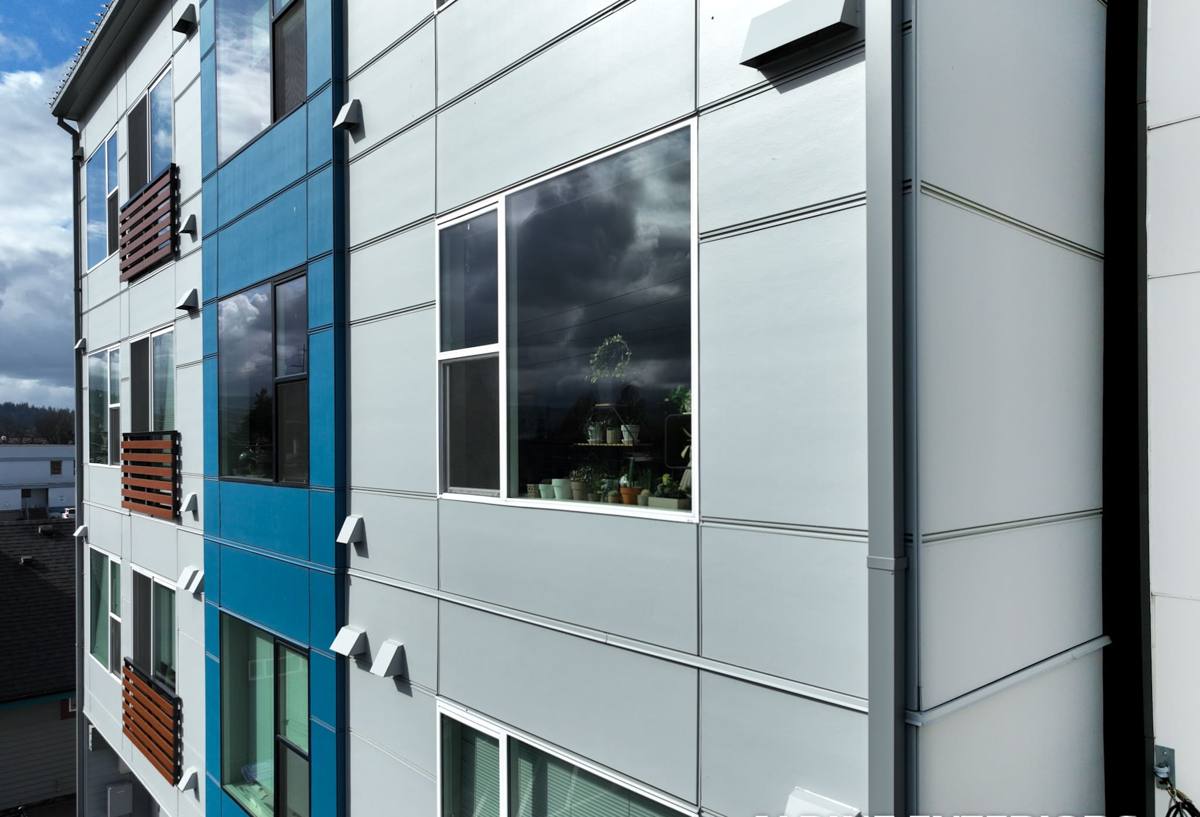
What Edison's Climate Does to Windows
Skagit County's coastal edge is a different environment than the drier interior of the state, and it treats building materials differently. A few things we see consistently on window jobs out this way:
Salt Air and Metal Fatigue
Proximity to Samish Bay means a steady low-level exposure to salt in the air, even on homes that aren't right on the water. Salt accelerates corrosion on aluminum frames, hardware, and screen tracks. Over years, that corrosion pits the metal, seizes moving parts, and can compromise the seal integrity of the whole unit — not just the finish.
Driving Rain and Wind-Driven Moisture
Rain out here doesn't always fall straight down. Wind off the bay pushes it sideways, which means window flashing, sill pans, and the seal between the window unit and the rough opening have to work harder than they would in a sheltered inland location. A window that's watertight in a light shower can still leak under sustained, wind-driven rain if the flashing detail wasn't done right the first time.
Moss, Mildew, and a Long Wet Season
Anything that stays damp for extended periods in this climate grows moss and mildew — window sills, wood trim, and gasket surfaces included. On wood-frame windows especially, trapped moisture behind failing paint or caulk is what starts rot, and rot at a window sill or jamb is a slow, expensive problem if it's not caught early.
Temperature Swings and Condensation
Skagit Valley winters bring cold, damp air against warm interior air, which is a recipe for condensation on older single-pane or failed double-pane glass. Persistent condensation between panes is usually a sign the seal has failed and the insulating gas (or simple dead air space) has been compromised — that window is no longer insulating the way it should.
Signs Your Windows Need Replacing, Not Repairing
Not every window problem means a full replacement. Sometimes a bad seal, a cracked pane, or worn hardware can be fixed on its own. Here's a general guide to when repair makes sense versus when replacement is the more honest recommendation:
- Fogging or moisture between panes that doesn't clear — seal failure, usually not repairable, replacement is the practical fix
- Frame that's soft, spongy, or visibly rotted at the corners or sill — repair rarely holds long-term in this climate
- Windows that won't stay open, won't latch, or have seized hardware from corrosion — sometimes hardware can be replaced, but heavily pitted aluminum frames are usually beyond it
- Noticeable draft or cold spot at the frame even with the window closed and locked
- Visible daylight or gaps around the frame from the outside
- Wood trim around the window showing paint failure, staining, or soft spots — often a sign moisture has been getting behind the window for a while
- Single-pane glass anywhere in the home — these were standard decades ago but do very little for insulation or condensation control today
What Correct Window Replacement Involves
Window replacement is often sold as a simple swap — old unit out, new unit in — but the parts that actually determine whether a window performs for the next 20-plus years in this climate happen around the window, not at the window itself.
Removal and Opening Inspection
Once the old window is out, the rough opening gets a real look. This is the point where hidden rot, past water intrusion, or poor original flashing shows up. It's also the cheapest point in the whole project to fix those problems — buried behind a new window, they only get worse.
Flashing and Water Management
Given how much wind-driven rain this area sees, proper flashing at the sill, jambs, and head of the opening is not optional. A sill pan that directs any water that does get past the window back to the exterior, correctly lapped house wrap or building paper, and properly sequenced flashing tape are what actually keep water out — the window unit itself is only part of the system.
Air Sealing and Insulation
The gap between the new window frame and the rough opening needs to be sealed and insulated correctly — not overpacked with expanding foam, which can bow the frame, and not left loose, which leaves a draft and a path for moisture. Low-expansion foam or backer rod and sealant, applied correctly, keeps the window performing the way it's rated to.
Setting, Shimming, and Fastening
A window that's out of square or not shimmed evenly won't operate smoothly and can stress the seals prematurely. This step is fast to rush and easy to get wrong — it's also one of the biggest differences between a window that opens and closes easily for 20 years and one that starts sticking within a couple.
Exterior Trim and Sealant
The finish work — trim, caulking, and paint or stain touch-up — is what actually sheds water and resists moss growth long-term. Sealant applied to a dirty or wet surface fails early; this is a detail worth doing right rather than fast.
Frame Material Considerations for This Climate
There's no single "best" window material for every home — it depends on the home's age, style, and how exposed it is to salt air and moisture. Here's an honest breakdown of the trade-offs we walk homeowners through:
| Frame Material | Performance in Edison's Climate | Maintenance |
|---|---|---|
| Vinyl | Doesn't corrode from salt air, good insulating value, handles moisture well | Low — occasional cleaning, no repainting |
| Fiberglass | Very stable in temperature swings, strong resistance to moisture and corrosion, holds paint well if a custom color is wanted | Low — more durable than vinyl in some impact scenarios, still low upkeep |
| Aluminum | Most vulnerable to salt-air corrosion and pitting over time; also a weaker insulator, which shows up as condensation risk | Higher — needs monitoring for corrosion, hardware wear |
| Wood | Classic look, often required for historic character, but needs consistent upkeep to resist rot in a wet coastal climate | Highest — repainting/sealing on a regular cycle |
| Wood-clad (wood interior, metal or vinyl exterior) | Combines interior wood look with better exterior moisture resistance | Moderate — exterior cladding reduces but doesn't eliminate upkeep |
For most homes in Edison and the surrounding Skagit Valley, we lean toward vinyl or fiberglass for straightforward, low-maintenance performance against salt air and rain. For homes where wood or wood-clad windows matter for the architecture or character of the house, that's a reasonable choice too — it just comes with a maintenance commitment that vinyl and fiberglass don't require.
Glass Options Worth Knowing About
The glass package matters as much as the frame material, especially for condensation control in a damp climate like this one.
- Double-pane vs. triple-pane: Double-pane with a good Low-E coating is the standard and performs well for most homes here. Triple-pane adds insulating value and can help with condensation resistance on north-facing or particularly exposed windows, at added cost.
- Low-E coatings: Reflect heat while letting visible light through — helps with both winter heat retention and summer heat gain, and is standard on nearly all quality windows now.
- Argon or krypton gas fill: The gas between panes improves insulating performance over plain air; argon is standard, krypton is used more in narrower gas spaces.
- Impact-resistant or laminated glass: Not commonly required for this area, but sometimes chosen for added durability or sound reduction near a road.
Our Process, Start to Finish
We keep the process straightforward because window replacement shouldn't be a mystery:
- Free on-site estimate — we look at the actual windows, the openings, and any signs of water intrusion or rot, and give you a straight answer on what's needed.
- Measurement and product selection — accurate measurements and a walkthrough of frame material and glass options that make sense for your home and budget.
- Scheduling — we give a realistic timeframe, factoring in typical lead times for ordering windows to your exact specs.
- Removal and opening inspection — old windows come out, and we check the rough opening before anything new goes in.
- Installation — proper flashing, air sealing, shimming, and fastening, following the steps above.
- Exterior finish — trim, caulking, and paint or stain touch-up so the new window looks finished and sheds water correctly from day one.
- Final walkthrough — we check operation on every window with you before we call the job done.
Why a Local Crew Matters for This Job
Window replacement done by a crew that already works Skagit County isn't just a convenience — it changes the quality of the job. A local crew knows what wind-driven rain off Samish Bay actually does to a poorly flashed opening, because they've opened up plenty of walls and seen it firsthand. They know which frame materials hold up against salt air over the long run in this specific area, not just in a manufacturer's general climate rating. And because we're not driving in from out of the region, scheduling, warranty callbacks, and any follow-up work are simpler and faster.
We also know the practical side of working in Edison and the surrounding Skagit Valley communities — rural properties, older farmhouses, and homes with a mix of original wood windows and later replacements, each with their own quirks.
A Quick Pre-Estimate Checklist
Before we come out, it helps to have a general sense of what you're dealing with. Walk your home and note:
- Which windows fog, stick, or won't latch properly
- Any visible soft, stained, or peeling wood trim around window frames
- Drafts you can feel near window frames on a windy day
- Whether your current windows are single-pane, double-pane, or unknown
- How many windows you're considering — a few problem windows, or a full-house replacement
- Any rooms with recurring condensation on the glass in colder months
That's enough for us to start a useful conversation, even before we're on-site with a tape measure.
Ready for a Straight Answer on Your Windows?
If your windows in Edison are fogging, drafting, sticking, or just showing their age, we're happy to take a look and give you an honest assessment — no pressure, no upsell on windows you don't need. Fill out the form below for a free estimate, and we'll walk the property with you and talk through what actually makes sense for your home and budget.