 Anacortes Siding
 Conway Sits in One of the Toughest Spots for Windows in Skagit County
Conway is low, flat, and close to tidal water — the kind of setting where salt-laden air off Skagit Bay and the river delta mixes with near-constant westerly wind. That combination is hard on window components in ways that don't show up right away. Salt air accelerates corrosion on hardware, screws, and low-quality metal components. Driving rain, especially the sideways kind that comes with fall and winter storms, tests every seam, flashing detail, and sealant joint a window has. And the long moss season here — often eight or nine months of the year with enough moisture in the air to keep everything green — means anything with a horizontal surface, including a window sill or sash track, will collect organic growth if it isn't detailed to shed water properly.
None of this means windows in Conway are doomed to fail. It means the margin for error in material choice and installation is smaller than it is in a drier inland climate. A window that would be fine in eastern Washington can start showing problems here within a few years if it wasn't specified or installed with this exposure in mind.
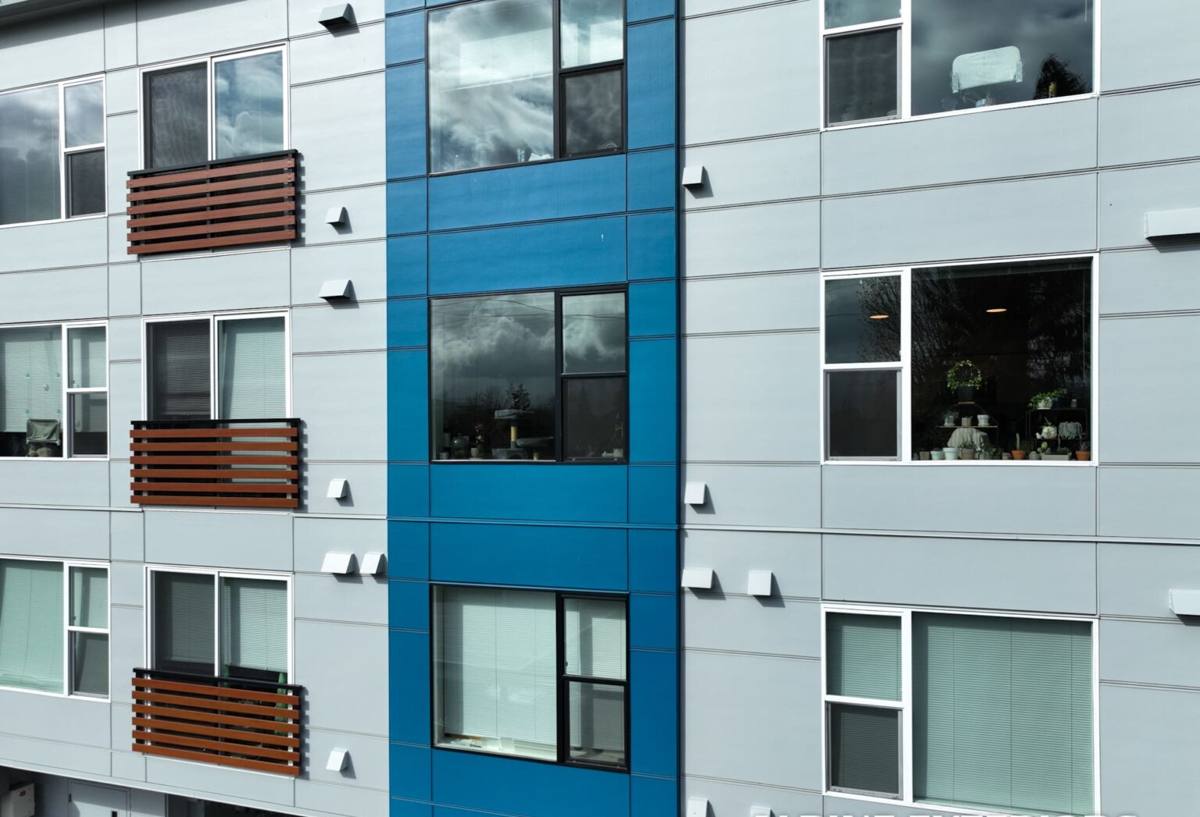
What "Custom" Actually Means for a Conway Home
Older Farmhouses and Rural Construction
A lot of homes in and around Conway are older rural properties — farmhouses, converted outbuildings, and additions built over multiple decades. These openings are rarely a standard size, and after decades of settling, they're often not perfectly square either. Custom windows here usually means field-measuring each opening individually rather than ordering off a size chart, and sometimes it means correcting a rough opening before the new window ever goes in.
Additions and Mixed-Era Construction
It's also common to find a home where one wing was built in one decade and another added later, with different framing depths, different siding types, and different water-management details butting up against each other. Custom window work in these cases isn't just about the glass — it's about making the new window's flashing and trim tie cleanly into whatever wall assembly it's landing in, so you don't create a new leak point where old and new construction meet.
Frame Materials That Hold Up in This Climate
We don't push one material for every job. Each has real trade-offs, and the right choice depends on the home, the budget, and how exposed a given wall is to wind-driven rain.
| Material | Salt Air / Moisture Resistance | Maintenance | Typical Lifespan |
|---|---|---|---|
| Vinyl | Good — won't corrode or rot, but can discolor over many years of UV and salt exposure | Low | 20–30 years |
| Fiberglass | Very good — dimensionally stable, resists moisture and corrosion well | Low | 30–40 years |
| Wood-clad | Depends heavily on cladding quality and installation; interior wood needs protection from any moisture intrusion | Moderate to high | 20–30 years, shorter if seals fail |
| Aluminum | Poor without thermal breaks and marine-grade hardware — conducts cold and can corrode near salt air | Moderate | Varies widely |
For most Conway homes, we lean toward vinyl or fiberglass for the bulk of the house, because both shrug off the moisture and salt exposure without the ongoing upkeep that wood-clad units demand. Wood-clad windows can still make sense on a home where matching an existing look matters, but we'll walk you through the maintenance commitment honestly before you commit to that route — it's a real trade-off, not a downgrade for us to talk you out of.
The Installation Details That Actually Prevent Leaks
Flashing and Sill Pans
Most window failures we see aren't a bad window — they're a window that was installed without proper flashing. A sill pan under the rough opening, correctly lapped house wrap above and around the unit, and head flashing that sheds water out and away from the wall are non-negotiable on any coastal Skagit County job. Skip any one of these steps and driving rain will eventually find its way behind the trim, and you won't know until there's rot or a stain on the interior wall.
Sealant and Weep Paths
Sealant matters, but it's not a substitute for flashing — it's the last line of defense, not the first. We also make sure weep holes and drainage paths in the window frame stay clear during and after installation, since a blocked weep path is one of the more common reasons a technically sound window still holds water and grows mildew at the sill.
Energy Performance for a Maritime Climate
Glass Packages and U-Factor
Western Washington's mild but consistently damp climate doesn't demand the extreme insulation values you'd spec in a cold, dry climate, but a good low-E, double-pane (or triple-pane, on north- and west-facing walls that take the brunt of the wind) glass package still pays off in comfort and heating costs through a long, gray, wet winter.
Condensation and Moss on Sills
Interior condensation is common in older, single-pane windows in this climate, and it's not just a comfort issue — sustained moisture on a wood sill or frame is exactly what moss and mildew need to get started. Upgrading glass and improving the seal around the frame reduces that condensation, which in turn reduces the organic growth that a long Skagit County moss season otherwise encourages.
Signs Your Current Windows Are Already Failing
- Fogging or moisture trapped between panes — the seal has failed and the insulating gas is gone
- Soft or discolored wood trim or sill, especially on west- and south-facing walls that catch the most wind-driven rain
- Moss, algae, or black staining building up on sills or in frame corners even after cleaning
- Drafts you can feel with a hand near the frame on a windy day
- Windows that are difficult to open, close, or lock — often a sign the frame has shifted or swollen
- Visible gaps between the window frame and exterior trim or siding
How We Handle a Custom Window Project in Conway
- On-site visit to look at each opening, the surrounding wall assembly, and any existing moisture or rot issues
- Field measurement of every window individually — we don't assume openings match, especially on older or additioned homes
- Material and glass recommendation based on that wall's actual sun, wind, and rain exposure, not a blanket spec for the whole house
- Written estimate before any work starts, with the scope and material choices spelled out
- Removal of the old unit, inspection of the rough opening for hidden rot before the new window goes in
- Installation with sill pan, properly lapped flashing, and correct sealant — the same steps regardless of which room it is
- Interior and exterior trim finish work, and a walkthrough so you know how to operate and maintain the new windows
What Drives the Cost of Custom Windows
| Factor | Why It Matters |
|---|---|
| Opening size and shape | Non-standard or oversized openings cost more to source and install correctly |
| Frame material | Vinyl is typically the most budget-friendly; fiberglass and wood-clad cost more upfront |
| Glass package | Triple-pane or specialty coatings add cost but improve comfort on exposed walls |
| Condition of the existing opening | Hidden rot or a squared-up opening adds labor that's hard to quote until we open the wall |
| Number of units and access | Second-story or hard-to-access windows take more time and equipment |
We'd rather explain these factors up front than hand you a number that doesn't hold up once we're into the job. A firm quote follows the site visit, once we know exactly what each opening needs.
Why a Crew That Already Works in Conway Matters
Conway isn't a big place, and the housing stock here has its own patterns — older farmhouses, rural additions, and a low-lying, moisture-heavy setting near the Skagit River delta and tidal water. A crew that's already done work in this specific pocket of Skagit County knows what to expect before they even open the wall: where settling tends to throw openings out of square, which wall orientations take the worst of the wind-driven rain, and how much moss and organic growth to plan for in the finish details. That local familiarity shows up in fewer surprises mid-project and windows that are specified for the exposure they'll actually face, not a generic climate assumption.
If you're weighing custom windows for a Conway home, we're happy to take a look and talk through what your specific openings and walls actually need. Use the form below for a free, no-pressure estimate.