 Anacortes Siding
 Why Cap Sante Siding Takes More Than a Standard Install
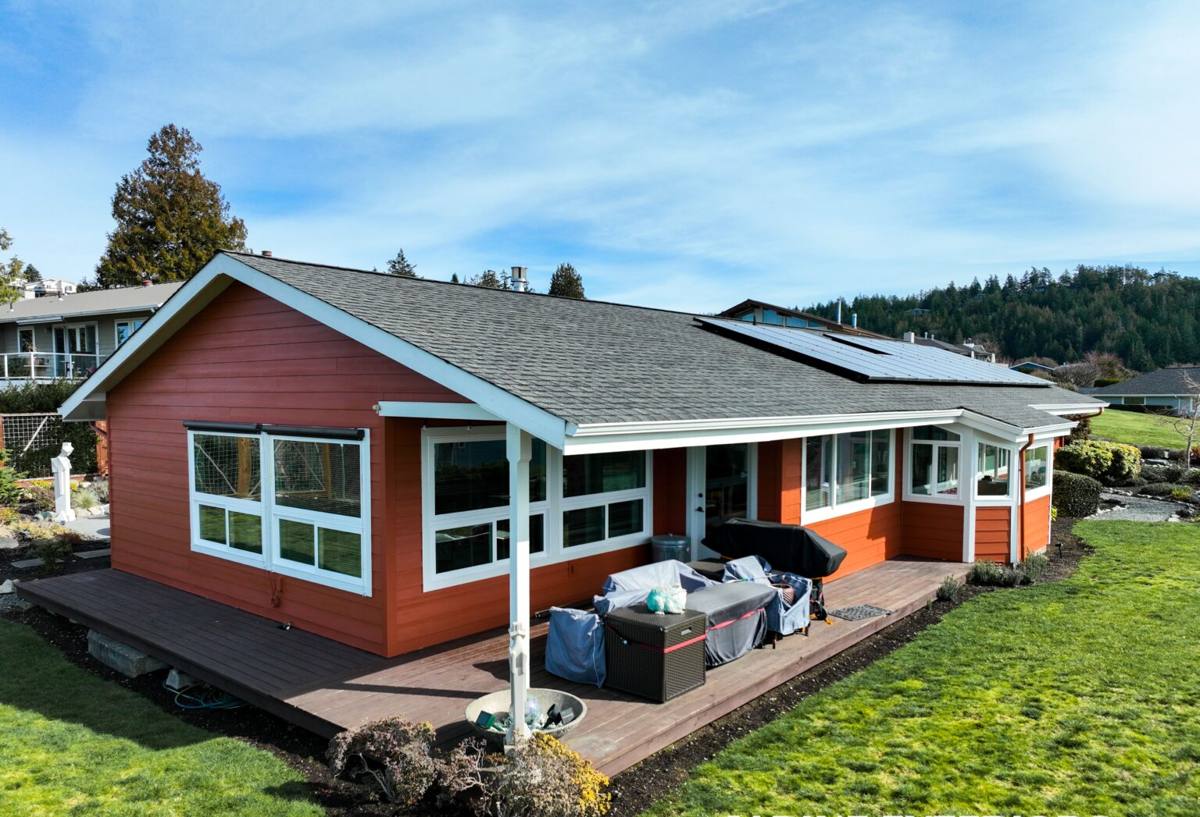
Cap Sante sits close to the water, and that proximity shapes everything about how siding performs here. Homes in this part of Anacortes catch marine air moving in off the boat haven and Guemes Channel, take on wind-driven rain straight off Rosario Strait, and sit under enough tree cover and shade in the wetter months to grow moss on anything that stays damp too long. That's three separate stressors — salt, water, and organic growth — working on the same wall assembly year-round. A siding job that would hold up fine in a drier inland town can fail early here if it isn't built for this specific exposure.
We install siding across Skagit County, and Cap Sante is one of the areas where we see the clearest gap between a siding job that was done to a general spec and one that was actually engineered for the site. The difference shows up in five to ten years, not on day one — which is exactly why it matters to get it right the first time.
What Salt Air, Driving Rain, and Moss Actually Do to a Wall
Salt Air
Airborne salt from Puget Sound doesn't just sit on the surface of siding — it works into fasteners, flashing, and any exposed metal trim. Over time it accelerates corrosion in the wrong hardware and can degrade paint and caulk faster than in a non-marine climate. This is one of the main reasons fastener choice and trim material matter more here than they would forty miles inland.
Driving Rain
Anacortes gets weather that comes in sideways off the water, not just straight down. That means water is pushed up under laps, into butt joints, and behind trim in ways that vertical-only rain doesn't test. A siding system needs a real drainage plane behind it — not just caulk at the seams — or water that gets past the face material has nowhere to go but into the wall.
Moss and Sustained Dampness
Skagit County's wet season runs long, and shaded, north-facing, or tree-covered walls in Cap Sante can stay damp for days at a stretch. Moss and algae take hold on any siding surface that doesn't shed water and dry out reasonably fast. Beyond the cosmetic staining, sustained moisture at the surface eventually finds its way into seams, fastener heads, and cut edges that weren't properly sealed at installation.
What a Correct Installation Involves in This Climate
Getting siding right in Cap Sante isn't about a specialty product — it's about installation discipline. The materials and methods below are standard building science, but they get skipped more often than homeowners realize, especially on lower bids.
- A continuous weather-resistant barrier installed shingle-style (upper courses lapping over lower ones) so any water that gets behind the siding face drains down and out, not into the sheathing
- Properly integrated flashing at every window, door, and roofline intersection — the single most common failure point we find on older homes here
- A rainscreen gap or drainage mat behind the siding where wall orientation and exposure call for it, so the wall can actually dry between rain events
- Corrosion-resistant, manufacturer-specified fasteners driven to the correct depth — not overdriven, which cracks fiber cement and voids warranty coverage
- Factory-cut and field-cut edges sealed per manufacturer spec, since a raw, unsealed cut edge is the fastest way for a moisture-sensitive material to fail early
- Correct clearance from grade, decks, and roof lines so the bottom edge of the siding isn't sitting in standing water or splashback
None of this is exotic. It's the difference between an installer who is racing to close out a job and one who is building a wall assembly meant to last three decades in a wet marine climate.
Why We Install Only James Hardie Fiber Cement
We don't install vinyl, LP SmartSide, primed wood, cedar, or other fiber cement brands. That's a deliberate standard, not a sales preference, and it comes directly from what we've seen hold up — and not hold up — on homes exposed to this kind of climate.
Vinyl expands and contracts significantly with temperature swings and can warp or become brittle over time; it also isn't the product to fight moss and mildew staining as well as a factory-finished fiber cement surface. Wood-based products, including primed spruce, engineered wood siding, and cedar, are more sensitive to sustained moisture and require more diligent, more frequent maintenance to keep water out at cut edges and seams — a tough ask in a climate where things stay damp for long stretches. Other fiber cement brands may be reasonable products, but we've standardized our crews, our fastening specs, and our warranty backing around one manufacturer so there's no ambiguity about installation method or product performance.
James Hardie's HZ10 product line is engineered specifically for climates like ours — cold, wet, and humid — with a formulation built to resist moisture damage better than the company's standard formulation used in drier regions. It's non-combustible fiber cement, which matters increasingly for wildfire-adjacent insurance considerations even here on the coast. The factory-applied ColorPlus finish is baked on under controlled conditions, which holds color and resists the fading and chalking that field-applied paint shows first — particularly relevant on a material sitting in direct salt-laden air and UV exposure near the water.
What This Means for a Cap Sante Home Specifically
| Concern | How HZ10 Fiber Cement Addresses It |
|---|---|
| Salt air corrosion of surface finish | Factory-cured ColorPlus finish resists fading, chalking, and coating breakdown better than field-applied paint |
| Wind-driven rain and moisture uptake | Climate-specific HZ10 formulation resists moisture absorption and swelling better than standard fiber cement |
| Moss and algae staining on shaded walls | Dense, factory-finished surface sheds water faster and resists organic growth better than porous or absorbent sidings |
| Long-term maintenance burden | No repainting cycle needed for years; occasional wash-down is typically enough |
Our Installation Process for Cap Sante Homes
1. Site and Exposure Assessment
We walk the home and note which elevations take the worst weather — usually the side facing open water or prevailing wind — and which are shaded enough to hold moisture longer. This drives decisions on drainage detailing and trim material, not just color selection.
2. Tear-Off and Substrate Inspection
Removing the old siding is where we find out what's actually been happening behind the wall — soft sheathing, failed old flashing, or moisture staining that never showed on the exterior. We address any of that before anything new goes up; installing new siding over a compromised substrate just hides a problem instead of solving it.
3. Weather Barrier and Flashing
We install a continuous water-resistive barrier and integrate flashing at every penetration and transition — windows, doors, roof-to-wall intersections, and any deck ledger connections. This step is invisible once the job is done, and it's the step that determines whether the wall performs for thirty years or fails behind the siding in five.
4. Siding Installation to Manufacturer Spec
Panels or planks go up with correct fastener spacing, penetration depth, and joint treatment per James Hardie's published installation guidelines. This is also what keeps the manufacturer's warranty intact — installation error is the most common reason a siding warranty claim gets denied, regardless of brand.
5. Trim, Caulk, and Final Detailing
Corner boards, trim, and any remaining seams get sealed with products rated for the movement and exposure this location sees. We check clearances from grade, decks, and roof edges as a final step, since these are easy to overlook and become the source of early moisture problems.
Signs Your Current Siding Is Already Losing the Fight
If you're weighing whether it's time to replace siding on a Cap Sante home, these are the signals we take seriously during an inspection:
- Soft or spongy spots when you press on the siding, especially near the bottom courses or under windows
- Persistent moss or dark streaking that comes back within weeks of cleaning
- Visible gaps or cracked caulk at seams, corners, and window trim
- Peeling or bubbling paint on wood-based siding, particularly on shaded elevations
- Warping, buckling, or waviness in panels, common on vinyl after years of temperature cycling
- Interior signs like musty smells or staining on interior walls near exterior corners
What Drives the Cost of a Cap Sante Siding Job
Every home is different, but the same handful of factors move the price up or down on most projects in this area:
| Factor | Why It Matters Here |
|---|---|
| Extent of substrate repair | Homes with long-term moisture exposure near the water often need sheathing or framing repair discovered at tear-off |
| Home size and wall complexity | More corners, dormers, and roof transitions mean more flashing and cut work |
| Siding profile and trim package | Lap width, trim detail, and accent choices affect material and labor cost |
| Site access | Sloped lots, tight setbacks, and limited staging area near the water can add labor time |
| Removal and disposal of old siding | Multiple layers of old siding or hazardous materials like old paint or asbestos-containing siding change the scope |
We give a written, itemized estimate after an in-person walkthrough rather than a phone quote, because the variables above genuinely change the number.
Why Hiring a Crew That Already Works Cap Sante Matters
A contractor who mostly works drier, inland areas of the county may not default to a rainscreen detail, may under-spec flashing at roof transitions, or may not think twice about fastener corrosion resistance — because those shortcuts don't show up as fast somewhere with less salt air and less sustained rain exposure. In Cap Sante, they show up. We work this part of Skagit County regularly, which means we already know which elevations tend to take the worst weather, what we're likely to find once the old siding comes off, and which installation details aren't optional here even if they're treated as optional elsewhere.
We're also a single-manufacturer crew. Every installer on a Hardie job has been trained to the same fastening spec, the same flashing details, and the same finish-out standard — there's no guessing about which product's rules apply on a given day.
Get a Straight Answer on Your Siding
If your Cap Sante home is showing early signs of wear, or you're just trying to plan ahead before the next wet season, we'll walk the exterior with you, point out what we actually see, and give you a clear, no-pressure estimate for a proper James Hardie installation. Use the form below to get started.