 Anacortes Siding
 Building Decks That Hold Up in Burlington's Skagit Valley Climate
Burlington sits in the Skagit Valley just inland from Anacortes and the Salish Sea, which means a deck here has to deal with two things at once: the moisture-heavy marine air rolling in off the water, and the long, low-intensity rainy season that settles into the valley from fall through spring. It's a different challenge than a deck built in a drier inland climate. The wood doesn't just get wet and dry out — it stays damp for weeks at a time, and that changes almost every decision that goes into building it correctly.
A deck built without that climate in mind might look fine for the first year or two. Then the moss shows up in the shaded corners, the fasteners start weeping rust stains down the boards, and the substructure underneath — the part nobody sees until something fails — starts holding moisture it was never designed to shed. We build decks for Burlington and the surrounding Anacortes area with that long game in mind, not just how the deck looks the day it's finished.
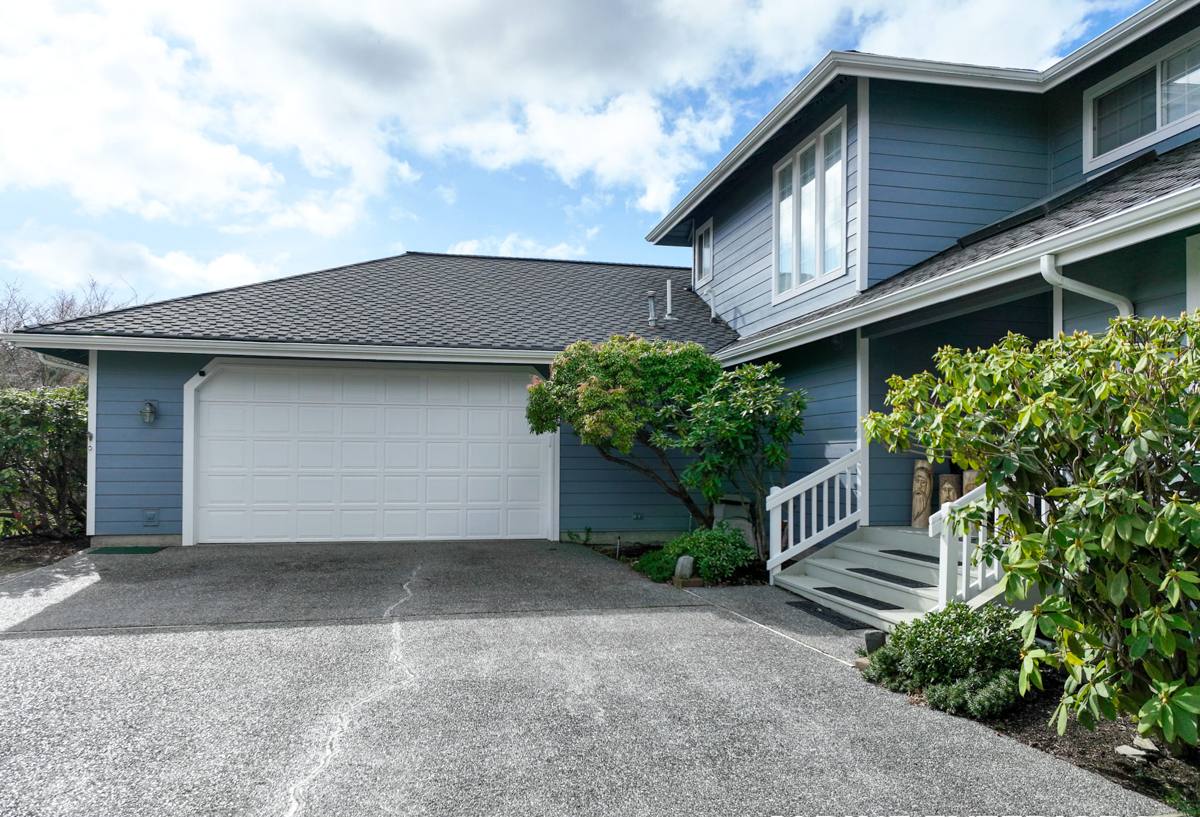
What Driving Rain and a Long Moss Season Do to a Deck
Skagit County's weather pattern isn't dramatic — it's persistent. Rain here tends to come in at an angle, driven by wind off the water, which means vertical surfaces and joints get wet in ways a straight-down rain never would. Combine that with mild temperatures and long stretches of overcast, low-airflow days, and you get ideal conditions for moss and algae to take hold on any horizontal wood surface that doesn't dry out quickly.
On a deck, this shows up in predictable places:
- North-facing or heavily shaded decks that never get direct sun to dry the boards
- Tight board spacing that traps moisture and organic debris between boards
- Ledger boards and rim joists where water runs off the house and never fully drains
- Fastener heads and joist hangers that corrode and stain the wood around them
- Under-deck framing with poor airflow, where mildew and soft spots develop unseen
None of this is unusual for the region — it's just the reality of building outdoors in Skagit County. The difference between a deck that needs major repair in five years and one that's still solid in twenty comes down to material choices, drainage detailing, and fastener selection made before the first board goes down.
Decking Material Options for Local Conditions
There's no single "right" decking material for Burlington — it depends on budget, maintenance appetite, and how exposed the deck is to weather. Here's how the common options actually perform in this climate:
| Material | How it handles our rain/moss climate | Maintenance reality |
|---|---|---|
| Pressure-treated fir/hem-fir | Budget-friendly; needs sealing to resist moisture cycling and moss growth | Re-seal every 1-2 years; inspect for checking and soft spots |
| Western red cedar | Naturally rot- and insect-resistant, ages well, but still needs care in shaded, damp spots | Periodic cleaning and oil/stain to maintain color and resistance |
| Composite decking | Sheds moisture well, resists rot, but can still grow surface mildew in constant shade | Low maintenance; occasional wash to remove algae film |
| PVC/capped composite | Best moisture resistance of the group; handles standing dampness without absorbing it | Lowest maintenance; higher upfront cost |
We're honest with homeowners about trade-offs rather than pushing one product. Cedar looks great and is a traditional, reasonable choice for this region, but it's not maintenance-free — it just fails more gracefully than untreated softwoods if neglected. Composite and PVC decking cost more upfront but make sense for decks in heavy shade or near the water where moss pressure is constant. What matters most isn't the brand name on the board — it's whether the deck is built to let that board dry out between rain events.
Railings and Fasteners
Railing material and hardware deserve the same scrutiny as the decking itself. Standard galvanized fasteners can corrode faster near the water and streak the wood; we spec stainless or coated fasteners rated for coastal exposure where it matters, and match hardware to the decking material so dissimilar metals aren't reacting against each other over time.
What's Underneath Matters More Than What's On Top
Homeowners naturally focus on the decking surface, but the framing underneath is what determines whether a deck lasts. In a climate that stays damp for months at a time, three details matter most:
Ledger Attachment and Flashing
The ledger board — where the deck attaches to the house — is the single most common failure point on decks in wet climates. Water running down the siding needs somewhere to go besides behind the ledger board. We flash this connection properly with the ledger held off the wall or flashed so water sheds away from the house framing, not into it.
Joist Protection and Airflow
Joists and beams get joist tape or flashing on top surfaces where deck boards attach, protecting the end grain and top face from sitting water. Just as important is leaving enough clearance and airflow underneath the deck so the framing can actually dry between rain events instead of staying damp all winter.
Hardware Rated for the Environment
Joist hangers, post bases, and structural screws are all specified for exterior/coastal-rated corrosion resistance, not just whatever meets minimum code. It costs more up front and saves a rebuild later.
Footings, Drainage, and Skagit County Soil
Skagit Valley soil tends to hold water, especially on lower-lying lots common around Burlington. That affects how footings are dug and poured — footings need to be set below frost depth and clear of standing groundwater, with drainage considered around the base of each post so water doesn't pool against the concrete or the post base hardware season after season. On sites with poor natural drainage, we'll grade or add gravel around footing locations rather than just pour to code minimum and move on.
This is also where a locally experienced crew earns its keep — knowing which parts of Burlington tend to have heavier clay or higher water tables changes how we approach footing depth and drainage before we ever break ground.
Our Deck Building Process
- On-site assessment — we look at sun exposure, drainage, existing structure (if replacing a deck), and how the space will actually be used
- Design and material selection — honest conversation about decking material, railing style, and layout based on budget and maintenance preference
- Permitting — we handle the permit application and inspections required for the jurisdiction
- Demolition (if applicable) — removing and properly disposing of an old deck
- Footings and framing — footings set below frost depth, ledger flashed correctly, joists and beams sized and protected for the span and load
- Decking, railing, and finish work — installed to manufacturer spec with fastening and spacing appropriate to the material and our climate
- Final walkthrough — we go over care and maintenance specific to the material installed
Permits and Local Code
Most deck projects in and around Burlington require a building permit, particularly for decks attached to the house, elevated decks, or anything involving new footings. Requirements can vary depending on whether the property falls under City of Burlington jurisdiction or unincorporated Skagit County. We pull the correct permits and coordinate inspections as part of the project rather than leaving that step to the homeowner — it protects you if the deck is ever inspected during a home sale down the road.
Maintenance Checklist for Burlington Homeowners
A well-built deck still needs some seasonal attention in this climate. A short checklist that covers most of it:
- Sweep leaves and debris off the deck surface regularly during fall to prevent trapped moisture
- Clean moss and algae off boards at least once a year, especially in shaded areas
- Inspect and re-seal wood decking (cedar or treated lumber) every 1-2 years, or per product recommendations
- Check the ledger board area and flashing annually for signs of water intrusion
- Look underneath the deck occasionally for soft spots, rust staining, or standing water near footings
- Keep gutters and downspouts near the deck clear so roof runoff isn't adding to the moisture load
Why Hire a Crew That Already Works Burlington
Deck building isn't complicated in theory, but building one that actually holds up through a Skagit County winter takes judgment calls that only come from working in this specific climate: how deep to set a footing on a low-lying lot, which fastener holds up near the salt air rolling in from the Sound, where moss pressure will be worst on a given lot's sun exposure. A crew that only occasionally works in this region will build to generic code minimums. A crew based in Anacortes and working Burlington regularly builds to what actually survives here.
If you're planning a new deck or replacing one that's showing its age, we're happy to take a look and talk through honest options for your property — no pressure, no sales script. Use the form below to request a free estimate.