 Anacortes Siding
 Window Replacement Built for Conway's Climate
Conway sits in the lowlands of Skagit County, tucked between the Skagit River and the tidal reach toward Skagit Bay, with Puget Sound's salt air not far off and the Cascade foothills wringing moisture out of every Pacific storm that rolls through. That combination is hard on windows in ways homeowners further inland never have to think about. Wood frames absorb and hold moisture longer because the air rarely gets a chance to fully dry between rain events. Metal hardware corrodes faster with salt-tinged air moving through the valley. And the long, gray moss season means anything shaded — north-facing walls, windows tucked under eaves or tree cover — stays damp for months at a stretch.
None of that means Conway homes need exotic solutions. It means the installation details that get skipped on an easy job in a dry climate can't get skipped here, and the materials chosen need to actually hold up to what this specific stretch of Skagit County throws at them year-round.
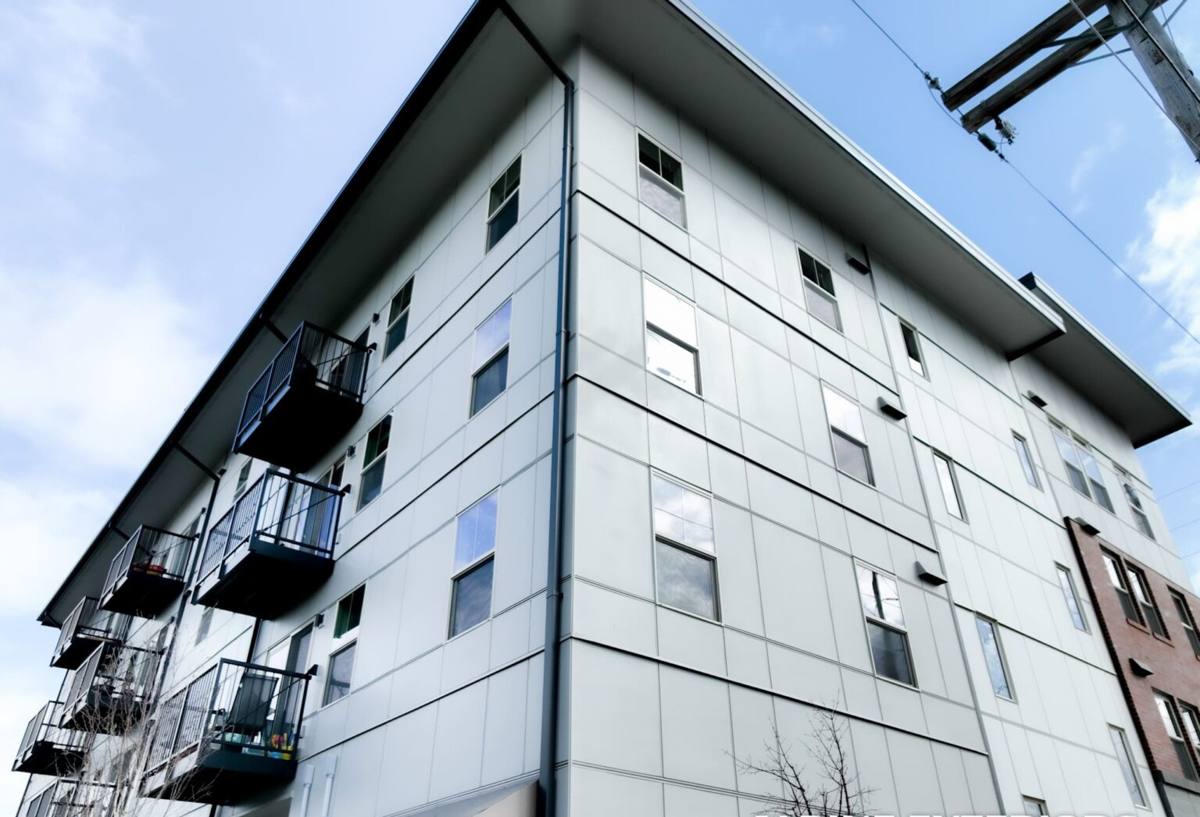
What Driving Rain and Salt Air Actually Do to a Window
Moisture Intrusion, Not Just Fogging
The most visible sign of a failing window is a fogged or hazy pane — the seal between the panes of glass has broken and moisture has gotten between them. That's a real problem, but it's usually the smaller one. The bigger issue is what's happening at the frame and the wall behind it. Wind-driven rain in this part of the valley doesn't just fall straight down; it gets pushed sideways into siding and window openings during winter storms. If the flashing and sealant around a window were installed poorly — or have simply aged out — water works its way behind the trim and into the wall framing. By the time you see a stain on the interior sill or soft drywall below a window, the damage has often been developing for a year or more.
Corrosion and Hardware Fatigue
Salt-laden air moving up from the Sound accelerates corrosion on window hardware — hinges, cranks, locks, and the fasteners holding trim in place. On older homes with original aluminum or steel components, this shows up as stiff cranks, locks that won't seat properly, or hardware that's visibly pitted or rusted. It's a slower failure than moisture intrusion, but it's a real reason older windows in this area often need replacing before their glass ever fails.
Moss and Organic Growth
Skagit County's moss season runs long — often eight months of the year where humidity and shade combine. On windows, that growth tends to collect in frame corners, weep holes, and sill tracks, holding moisture against the material and blocking the drainage paths that are supposed to let water escape. Weep holes clogged with moss and debris are one of the most common — and most overlooked — causes of water pooling inside a window frame.
Signs a Conway Home Needs Window Replacement
Not every window problem means full replacement — some are fixable with re-caulking or hardware repair. Here's a practical checklist for knowing which is which:
- Visible fogging or a permanent haze between panes of glass (the seal has failed — this one always means replacement)
- Soft, spongy, or discolored wood at the sill or frame when pressed
- Windows that won't stay open, won't latch fully, or have become difficult to operate
- Noticeable draft or cold spot near the window even when it's fully closed
- Paint that's cracking, peeling, or bubbling specifically around the frame, not the rest of the wall
- Interior condensation that forms consistently on cold mornings, especially with visible moisture on the sill
- A rise in heating costs without any other explanation
- Visible gaps between the frame and the surrounding wall or trim
If you're only seeing one or two of these, a repair or resealing visit may be worth doing first. If several apply to the same window, replacement is usually the more honest recommendation — patching a frame that's already compromised tends to cost more over a few years than doing it right once.
What a Correct Window Replacement Job Involves
The window itself matters less than most homeowners assume. What actually determines whether a replacement lasts fifteen years or fails in five is the installation — specifically, how the opening is prepared and sealed before the new window ever goes in.
Removal and Inspection
Old windows come out carefully so we can actually see the condition of the rough opening — the framing, sheathing, and any existing flashing. This is often the first time anyone gets an honest look at whether water has been getting in unnoticed. If there's rot or moisture damage in the framing, that needs to be addressed before a new window goes in, not covered up behind it.
Flashing and Water Management
This is the step that matters most in a climate like Conway's. Proper installation means pan flashing at the sill to direct any water that does get past the window back outside, and flashing tape integrated with the building's weather-resistant barrier at the sides and top — installed in the correct shingle-lap order so water always sheds down and out, never in. Skipping or shortcutting this step is the single biggest reason window replacements fail early in wet coastal climates.
Air Sealing and Insulation
The gap between the new window frame and the rough opening gets sealed with low-expansion foam or backer rod and sealant — not just caulk around the visible trim. This is what actually stops drafts and moisture-laden air from working into the wall cavity over time.
Final Sealing and Hardware
Exterior trim and caulking get finished with a sealant rated for this climate's temperature swings and constant damp, and hardware gets set and tested under real operating pressure, not just eyeballed.
Choosing the Right Frame Material for This Climate
Frame material is one of the few genuinely consequential choices in a window replacement, and it's worth understanding the honest trade-offs rather than picking on price alone.
| Frame Material | Moisture Resistance | Maintenance | Typical Cost Range | Best Fit |
|---|---|---|---|---|
| Vinyl | Very good — won't rot or corrode | Low; occasional cleaning | Lower | Most homes; strong value in a wet climate |
| Fiberglass | Excellent — very stable in wet/dry cycling | Low | Higher | Homes wanting long-term durability and paintable finish |
| Wood-clad | Good on the exterior clad side; interior wood needs care | Moderate to high | Highest | Older or historic-style homes where interior wood trim matters |
| Aluminum | Poor in salt air; prone to corrosion and condensation | Moderate | Lower to moderate | Generally not our recommendation for this area |
For most Conway properties, vinyl or fiberglass frames make the most sense given the moisture load this area sees — they simply don't give rot, rust, or salt corrosion anything to work with. We still install wood-clad windows on older farmhouses or homes where matching a historic look matters, but we'll always walk through the maintenance trade-off honestly rather than let a homeowner find out about it later.
Energy Performance in a Cool, Damp Valley
Conway doesn't deal with extreme heat, but the marine, cloud-covered climate here means homes lose heat steadily through poorly performing glass most months of the year. Washington's state energy code sets minimum performance requirements for replacement windows, and any reputable contractor should be installing to at least those U-factor and solar heat gain standards as a baseline, not an upgrade. Low-E coated, double-pane glass is the practical standard for this climate — it cuts heat loss without adding the cost of triple-pane glazing, which mostly pays off in colder, drier climates than this one. We'll spec the right glass package for your specific exposure — a west-facing wall catching afternoon sun performs differently than a shaded north wall, even on the same house.
Our Process
- Free on-site estimate — we look at the actual condition of your windows and openings, not just count panes
- Honest scope — we tell you which windows need full replacement, which can be repaired, and why
- Material selection — walk through frame and glass options against your budget and the house itself
- Scheduling — realistic timelines that account for lead times on custom sizes
- Installation — proper flashing, air sealing, and hardware set, with the old units hauled away
- Walkthrough — every window operated and checked with you before we call the job done
Why a Crew That Already Works Conway Matters
Conway is a small, unincorporated community, and window replacement here still has to go through Skagit County's permitting process where required, work around the realities of narrow rural roads and long driveways for material delivery, and account for the mix of older farmhouses and newer construction that makes up the area. A crew that's already doing this work along the Skagit River corridor and the Anacortes-to-Mount Vernon stretch knows what a rough opening on a 1970s farmhouse in this valley usually looks like once the old trim comes off, understands which flashing details actually hold up to a real Puget Sound winter, and isn't learning the local permitting process for the first time on your house. That familiarity shows up in fewer surprises mid-project and a straighter path from estimate to finished job.
Get a Straight Answer About Your Windows
If you're not sure whether your windows need full replacement or just some attention around the seals and flashing, we're happy to take a look and tell you honestly which one it is. Reach out for a free, no-pressure estimate — the form below gets you started.