 Anacortes Siding
 Why Oak Harbor's Climate Is Hard on Siding
Homes around Oak Harbor sit close to open water, which means siding here deals with a different combination of stressors than a house forty miles inland. Salt-laden air corrodes fasteners and finishes faster than dry-climate air does. Driving rain, pushed sideways by wind off the water, finds every gap in a wall assembly that a calmer climate would never expose. And because the marine layer keeps humidity high for much of the year, north-facing walls and shaded siding runs grow moss and mildew on a schedule that homeowners further from the coast simply don't deal with.
None of that is a defect in any particular siding product — it's just what this stretch of the Puget Sound region asks of an exterior wall. The materials and installation details that hold up well in a drier, more sheltered climate can fail early here, and the failures usually show up as swelling, delamination, paint loss, or soft trim long before the siding is supposed to be replaced.
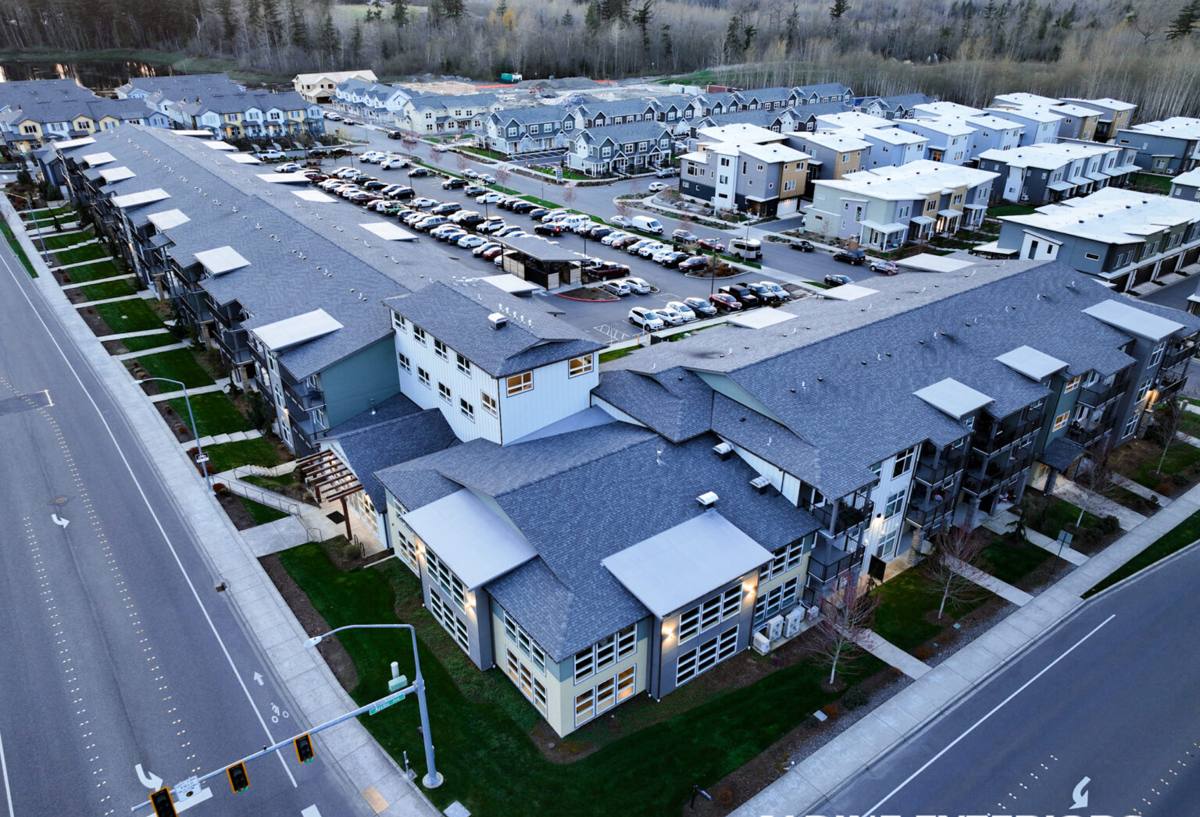
Why We Standardize on James Hardie for This Climate
Anacortes Siding Replacement installs James Hardie fiber cement siding exclusively. We don't install vinyl, LP SmartSide, or other engineered wood products, and that's a deliberate call based on what we've seen hold up along this coastline versus what doesn't.
Fiber cement is made from cement, sand, and cellulose fiber, which means it doesn't absorb and swell with moisture the way wood-based products can, and it isn't a fuel source the way vinyl and engineered wood are. For a home taking on salt air and near-constant coastal moisture, that combination of dimensional stability and moisture resistance matters more than it does in a milder inland climate. James Hardie also engineers its siding formulations for different climate zones across the country, which is a level of climate-specific engineering most competing products don't offer.
We back that up with the ColorPlus factory finish, which is baked on under controlled conditions rather than applied on-site. In a climate where field-applied paint has to cure through fog, drizzle, and salt spray, a factory finish that's already cured before it reaches the job site is a real advantage, not a marketing detail.
What "Climate-Engineered" Actually Means
James Hardie doesn't sell one formulation nationwide. The company engineers its products around regional moisture and temperature patterns, and the Pacific Northwest's wet, moderate marine climate calls for a different product match than a hot, dry climate or a harsh freeze-thaw climate would. When we spec a Hardie system for an Oak Harbor home, we're matching the product line to this specific coastal exposure, not installing whatever's on the truck.
What a Correct Installation Actually Involves
Fiber cement siding performs the way it's supposed to only when the installation behind it is done correctly. Most of the siding failures we get called out to inspect aren't a materials problem — they're an installation problem that let water in behind a product that was never designed to sit wet.
- A properly lapped weather-resistant barrier behind the siding, with all seams and penetrations sealed
- Correct flashing at every window, door, and roof-to-wall intersection — the single most common point of failure we find on older homes
- Manufacturer-specified fastener type, spacing, and depth, since over-driven or wrong-gauge nails crack the board or void the warranty
- Proper clearance between the siding's bottom edge and grade, decks, patios, and roof lines to keep splash-back and standing moisture away from the material
- Correctly sized gaps at butt joints and trim to allow for expansion without caulk bridging that later cracks and lets water in
- Field-cut edges sealed or back-primed where the factory finish has been cut through
Every one of these details is easy to skip and hard to spot once the siding is up and painted. That's exactly why they matter — a rushed install can look fine for a year or two before moisture that got in behind the wall starts causing rot, mold, or sheathing damage that costs far more to fix than it would have to install correctly the first time.
How Salt Air and Moss Change the Maintenance Picture
Even the right siding installed correctly still needs upkeep in this environment, and Oak Harbor homeowners should plan for a different maintenance rhythm than someone living further from the water.
| Concern | Why It Happens Here | What Helps |
|---|---|---|
| Moss and algae growth | Long damp season, shaded and north-facing walls stay wet longer | Annual soft wash, keeping vegetation trimmed back from walls |
| Fastener corrosion | Salt air accelerates oxidation on exposed metal | Corrosion-resistant fasteners specified for coastal use |
| Caulk and sealant failure | UV, salt, and constant moisture cycling break down sealants faster | Inspecting and refreshing sealant joints every few years |
| Finish chalking or fading | Sun and salt exposure wear on field-applied paint over time | Factory-cured ColorPlus finish resists fading and chalking longer than site-applied paint |
None of this is a reason to avoid siding your home well — it's a reason to choose a product and an installer that account for it up front instead of leaving you to discover it the hard way.
Signs Oak Harbor Homeowners Should Watch For
Because siding failures often start behind the wall before they're visible on the surface, it helps to know what early warning signs actually look like.
- Soft or spongy spots when you press on siding or trim near the bottom edge
- Paint that's bubbling, peeling, or chalking heavily in specific areas rather than evenly
- Persistent moss or dark staining that comes back quickly after cleaning
- Visible gaps, cracked caulk, or warped boards around windows and doors
- Musty odors or discoloration on interior walls that back up to exterior siding
- Siding that flexes or feels loose when pushed at a seam
Any of these is worth a professional look before it turns into a sheathing or framing repair.
Our Process for a Hardie Installation in This Area
We approach every Oak Harbor project the same way, because skipping steps is where coastal siding jobs go wrong.
Assessment and Tear-Off
We start by pulling the old siding and actually looking at what's underneath — sheathing, framing, and any existing moisture damage don't show up in a driveway estimate. This is often where we find the real story behind a homeowner's paint or maintenance complaints.
Repair Before Cover-Up
Any rot, soft sheathing, or compromised framing gets repaired before a single piece of new siding goes up. Installing new siding over damaged substrate just hides a problem that keeps getting worse.
Weather Barrier and Flashing
We install a continuous weather-resistant barrier and detail flashing at every window, door, and transition point to this climate's standards, not a generic inland spec.
Installation to Manufacturer Spec
Hardie's installation instructions specify fastener type, spacing, clearances, and joint treatment. We follow them exactly, because that's what keeps the manufacturer's warranty intact and keeps the product performing the way it's designed to.
Final Walkthrough
We walk the finished job with the homeowner, check every trim line and joint, and make sure the site is cleaned up before we call it done.
Why Local Experience in This Area Matters
A crew that mostly works drier, more sheltered inland neighborhoods doesn't always think about wind-driven rain angles, salt exposure, or moss-prone shade patterns the same way a crew that works this coastline every week does. We build our flashing details, fastener choices, and product selection around what actually happens to a wall assembly out here — not around a generic national installation guide.
That local pattern recognition also shows up in smaller ways: knowing which wall orientations need extra attention to moss and moisture, planning installation timing around this area's weather windows, and recognizing early-stage damage on older homes because we've seen the same failure patterns on other houses nearby.
What Affects the Cost of a Hardie Installation
| Factor | Why It Matters |
|---|---|
| Amount of substrate repair needed | Hidden rot or damaged sheathing found during tear-off adds labor and material |
| Siding profile and trim complexity | Lap siding, shingle-style panels, and detailed trim packages take different labor and material amounts |
| Home size and wall complexity | Corners, dormers, and multiple roof-to-wall transitions increase flashing and cutting time |
| Access and site conditions | Slopes, tight lot lines, and multi-story walls affect scaffolding and staging needs |
| Color and finish selection | Factory ColorPlus finishes vary in price by color line and panel style |
We give straightforward, itemized estimates so homeowners can see exactly what's driving the number, rather than a single lump figure that hides what's actually being paid for.
If your Oak Harbor home's siding is showing its age, or you're just planning ahead, we're happy to take a look and give you a straightforward, no-pressure estimate — use the form below to get started.