 Anacortes Siding
 Window Installation in Edison, Washington
Edison sits low in the Skagit County flats, close enough to the saltwater of Samish and Padilla Bay that the air itself works against your windows year-round. If you own a home out here, you already know the drill: fog rolls in off the water, rain comes sideways more often than straight down, and anything wood or metal on the outside of your house picks up a green film if you don't stay on top of it. Windows take the brunt of that. A window installed the right way, with the right materials, will shrug off decades of this. A window installed wrong — even a good window installed wrong — will start failing within a few years, usually quietly, behind the trim where you can't see it until the drywall stains or the sill goes soft.
This page is specifically about window installation for homes in and around Edison. Not a general "we do windows everywhere" pitch — the actual conditions here, what they do to a window assembly over time, and what we do differently because of it.
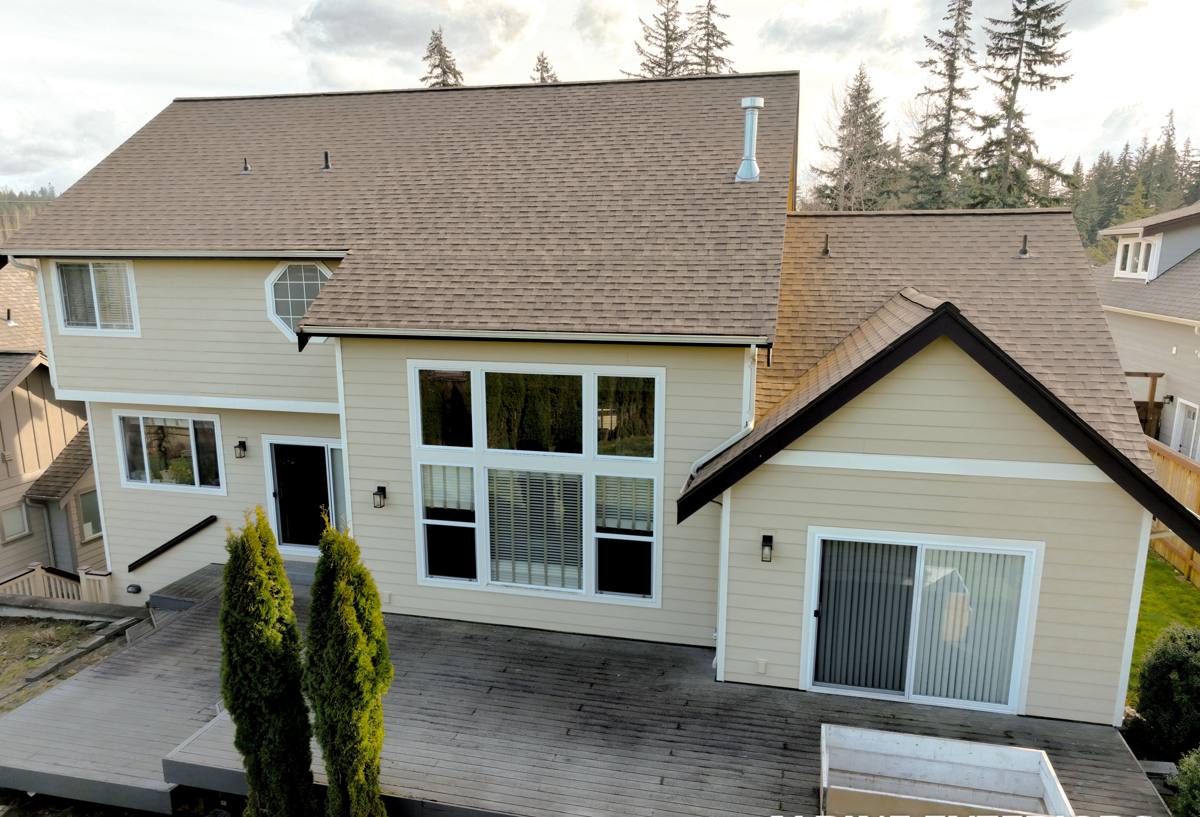
What Edison's Climate Actually Does to a Window
Three things stack up on Edison homes more than in drier parts of the county:
Salt Air
Being near tidal water means a fine mist of salt-laden air settles on everything, including window hardware, screens, and any exposed metal flashing. Salt accelerates corrosion on lower-grade hardware and fasteners, and it's harsh on certain finishes. It doesn't ruin a window overnight, but over ten or fifteen years it separates the installs that were done with the right fasteners and flashing from the ones that weren't.
Driving, Wind-Blown Rain
Edison gets weather off the water, and that means rain doesn't always fall straight down — it gets pushed sideways into the wall. A window that's caulked well but not properly flashed can look fine for years while water is quietly working its way behind the trim during every windstorm. This is the single biggest cause of hidden rot we find when we pull old trim off a house in this area.
Moss and Constant Dampness
Long stretches of damp, low-light weather mean anything that holds moisture — wood sills, unsealed trim joints, gaps around old flashing — grows moss, algae, or mildew. On windows specifically, this shows up as dark staining on sills and jambs, and it's usually a sign that water is sitting somewhere it shouldn't be able to sit.
Signs an Edison Home Needs Window Attention
- Visible fog or moisture trapped between panes on double-pane windows — the seal has failed
- Soft, spongy, or discolored wood at the sill or bottom corners of the frame
- Windows that are hard to open, close, or lock — often a sign the frame has shifted or swollen
- Noticeable draft or cold air near a closed window on a windy day
- Paint or finish that's peeling specifically around the window opening, not the rest of the wall
- Condensation forming on the inside of the glass regularly, even with normal ventilation
- Visible daylight or gaps around the exterior trim where it meets the siding
Any one of these can be minor. Two or three together, especially on a wall facing the prevailing weather, usually means the window and the flashing behind it need a real look, not just new caulk.
What a Correct Installation Actually Involves
Swapping a window is easy to do badly and easy to make look fine for a season or two. Doing it right, especially in a climate that drives rain sideways, comes down to a handful of steps that don't show once the trim goes back on:
- Remove the old window and inspect the rough opening. This is where hidden rot or water damage from a prior bad install gets caught — before it's covered up again.
- Repair any damaged framing or sheathing. A new window installed into a soft or rotted opening will fail again regardless of how good the window itself is.
- Install a proper sill pan and flashing. The sill pan gives any water that does get past the window a way out instead of a place to sit. This step is the one that gets skipped most often on rushed jobs, and it's the one that matters most in wind-driven rain.
- Integrate flashing with the house's water-resistive barrier so water sheds down and out over the siding below, not behind it.
- Set the window level, plumb, and square, then shim and fasten correctly so it operates smoothly and seals evenly for the life of the window, not just the first year.
- Insulate the gap around the frame without overpacking it, which can bow the frame and cause operating problems.
- Seal and trim the exterior with materials suited to sustained damp exposure, not just what looks good on install day.
Choosing Windows for Edison Conditions
There's no single "best" window material — there are trade-offs, and which ones matter most depends on your home and your budget. Here's how the common options actually compare for a home exposed to salt air and heavy rain:
| Material | Moisture & Salt Air Performance | Maintenance | Typical Lifespan |
|---|---|---|---|
| Vinyl | Good — won't rot or corrode, handles damp climates well | Low — occasional cleaning | 20-30 years |
| Fiberglass | Very good — dimensionally stable, resists warping in temperature and moisture swings | Low | 30-40+ years |
| Wood (unclad) | Poor without diligent upkeep — most vulnerable to the sill and jamb rot common here | High — regular painting/sealing required | Varies widely with maintenance |
| Wood-clad (exterior aluminum or vinyl clad) | Good on the exterior face; interior wood still needs normal care | Moderate | 25-35 years |
| Aluminum | Fair — durable but can corrode near salt air without a quality finish, and conducts cold | Low to moderate | 20-30 years |
For most Edison homes, we steer people toward vinyl or fiberglass because they hold up against the salt-and-rain combination without the ongoing upkeep that raw wood demands here. If you're set on a wood-frame look for a period-style home, wood-clad units give you that appearance with a more durable exterior face — we'll walk through the honest maintenance expectations either way rather than just sell whatever's easiest to install.
Glass Packages Worth Considering
Low-E coatings and argon-filled double-pane glass are standard on most quality windows now and make a real difference in comfort and condensation control, particularly during the region's long cool, damp stretches. Triple-pane is worth discussing on a case-by-case basis but isn't automatically necessary for every wall or budget — we'll tell you honestly where it pays off and where it doesn't.
Our Process for an Edison Window Job
- On-site assessment. We look at your existing windows, the surrounding trim and siding, and note any signs of moisture intrusion before quoting anything.
- Straightforward quote. Materials, labor, and any framing repair are broken out clearly so you know what you're paying for and why.
- Weather-aware scheduling. Openings are only exposed for the shortest window necessary, and we don't leave a house open to a storm system overnight.
- Install following the sequence above — sill pan, flashing integration, proper set, insulation, exterior sealing — every time, not just on the jobs someone happens to be watching.
- Final walkthrough. We check operation, seals, and exterior finish work with you before calling it done.
What Affects the Cost
| Factor | Why It Matters |
|---|---|
| Number and size of openings | More material and labor, straightforward scaling |
| Existing frame condition | Rot or damage found at removal adds repair time before the new window goes in |
| Material choice | Vinyl, fiberglass, and clad-wood carry different price points and long-term maintenance costs |
| Glass package | Low-E, argon fill, and pane count all affect price and performance |
| Full-frame vs. insert replacement | Full-frame replaces flashing and sill pan and is the right call when there's any sign of past water intrusion; insert replacement reuses the existing frame and costs less but only makes sense on a frame that's genuinely sound |
| Access and trim work | Upper-story windows, specialty shapes, or extensive exterior trim add labor |
We'll always tell you plainly if we think a full-frame replacement is the honest recommendation versus a cheaper insert job — the difference matters most on exactly the kind of rain and salt exposure Edison homes deal with.
Why a Crew That Already Works Edison Matters
Skagit County's building requirements and inspection expectations are consistent, but the practical decisions on a given house — how much flashing detail a particular wall needs, whether an opening's past water staining means a full-frame job instead of an insert, how to sequence work around the area's weather — come from having actually done this work on homes facing the same exposure. A crew that mostly works drier, inland areas doesn't always weight sill pans and flashing integration the way a job here demands. We're not guessing at what Edison's climate does to a window assembly over time — we've opened up enough old installs in this area to know exactly where the shortcuts show up years later.
Keeping New Windows Performing in This Climate
- Rinse accumulated salt film off exterior frames and hardware a couple of times a year, more often if your home faces open water directly
- Check exterior caulking and sealant annually for cracking or separation, especially after a hard winter
- Keep gutters and downspouts clear so water isn't sheeting down across upper windows
- Clear moss or algae buildup on sills and trim promptly rather than letting it sit and hold moisture
- Operate locks and hardware periodically even on windows you don't open often, to keep mechanisms from seizing
None of this is a lot of work, but skipping it is how a well-installed window still ends up with problems a decade in. A poorly installed one won't make it that long regardless.
If you're noticing any of the warning signs above, or you're just planning ahead for a home in Edison, we're glad to come take a look and give you a straight, no-pressure estimate — no obligation, just an honest read on what your windows actually need. The form below gets you started.